

 Việt Nam
 English

Smart Office: Concept and Key Functions
 5 min read
1.2K
5 min read
1.2K
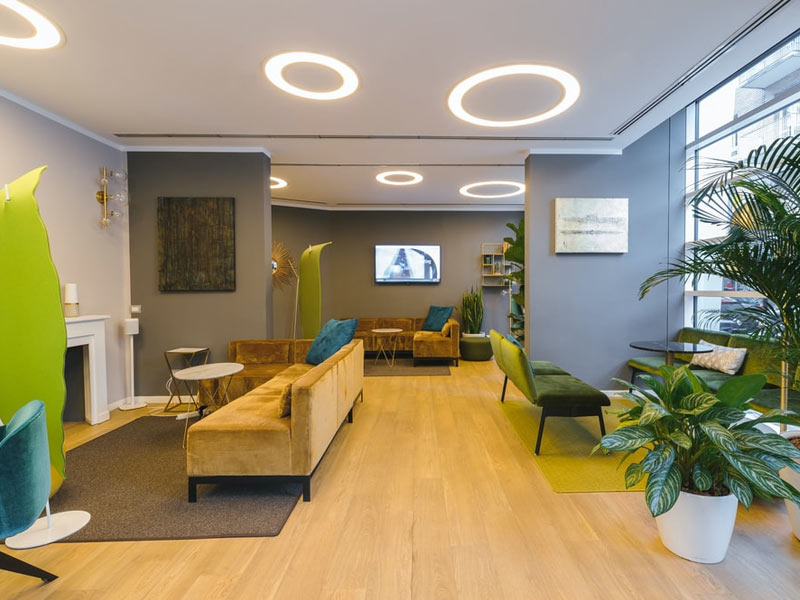
The Smart Office – the future of office design in enterprises. However, not everyone among us understands what a Smart Office is, even though we are very familiar with the term “smart”, from Smartphone, Smart TV to Smart Home. In today’s article, Maison Office will explore with you the Smart Office concept and the future of this innovative idea.
Table of Contents
1. What is a Smart Office?
The Smart Office, also known as an intelligent office, is an office model that applies advanced technologies and devices to provide employees with an environment that optimizes work productivity. The smart technologies here can be office management applications, virtual meeting rooms, electronic sensors, and much more.
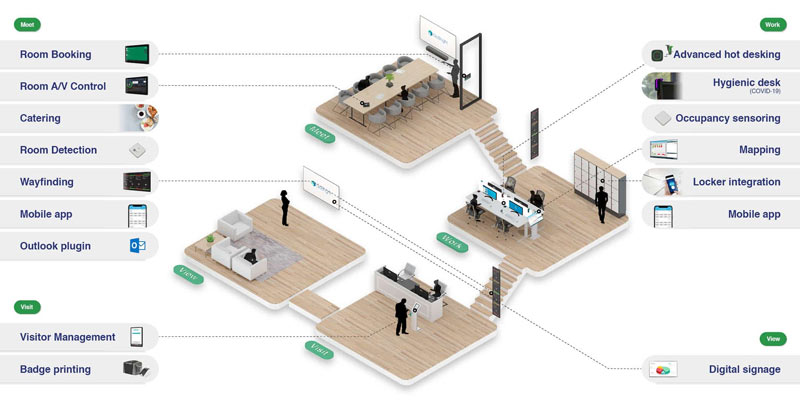
The Smart Office is a novel idea, meeting all the needs of businesses in the shortest time possible, lightening the work load of employees, and importantly, improving work efficiency.
With the above definition, you must have somewhat understood what the concept of a Smart Office is. In the next part of the article, let’s delve deeper into the types of technologies that businesses and organizations are using to make their office spaces smarter.
2. Functions of a Smart Office
A Smart Office is not merely about applying technology; it represents a transformative shift in the workplace environment. Through the integration of intelligent solutions, a smart office delivers significant advantages, helping businesses:
- Automate and optimize workflows, freeing employees from manual tasks so they can focus on creative and higher-value work.
- Enhance collaboration and communication, enabling employees to connect, share information, and work together more effectively regardless of location.
- Strengthen security and data protection, safeguarding company assets, information, and employee safety.
- Encourage creativity and innovation by creating an inspiring work environment that stimulates new ideas and promotes a culture of learning and knowledge sharing.
- Improve user experience by providing a modern, comfortable workplace that supports personalized needs while helping attract and retain talent.
A Smart Office is no longer just a future trend; it is becoming an increasingly tangible reality. By adopting intelligent workplace solutions, businesses can upgrade their working environment, improve productivity and operational efficiency, and build a stronger competitive advantage in an increasingly dynamic market.
3. What Does a Smart Office Include?
3.1 Smart Workplace Management Applications
Every business or organization has faced challenges in managing employees’ working hours. Traditional time attendance machines or card-based check-in systems are often prone to certain errors.
With the introduction of workplace management applications, businesses can now manage employees’ working time more easily and with greater accuracy. Employees can enter and exit the office, book meeting rooms, and borrow work equipment through a single smart application.
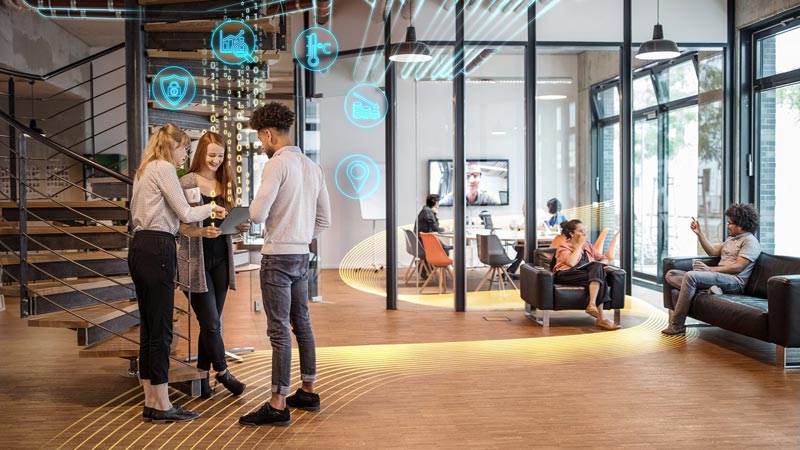
More importantly, in the context where remote working has become an inevitable trend in recent years, mobile apps can help people stay connected regardless of geographical location.
Another key advantage of applying smart technology for small and medium-sized enterprises lies in cost efficiency. Businesses do not need to allocate a large budget to encourage mobile app adoption or integrate smart connectivity systems into the workplace.
3.2 Smart Office Furniture
You have likely heard a great deal about the impact of smart furniture on employee productivity. Today, businesses can equip their offices with functional and convenient furniture solutions that help improve the productivity of their workforce.
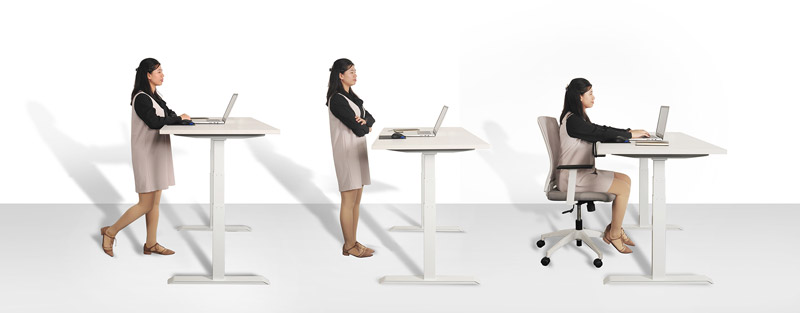
For example, an employee’s workstation can be automatically adjusted based on each individual’s height and working posture.
Technology can even go further by tracking an employee’s standing and sitting time, thereby providing accurate data to adjust desk height appropriately.
3.3 Smart Building Management System
Amid growing environmental concerns, many businesses have invested in creating smart office environments where every technology application is environmentally friendly, contributing to a greener, cleaner, and more sustainable future.
Small devices are now developed into integrated smart building management systems. Building owners can automatically control lighting, air conditioning, elevators, and many other devices through a single software platform.
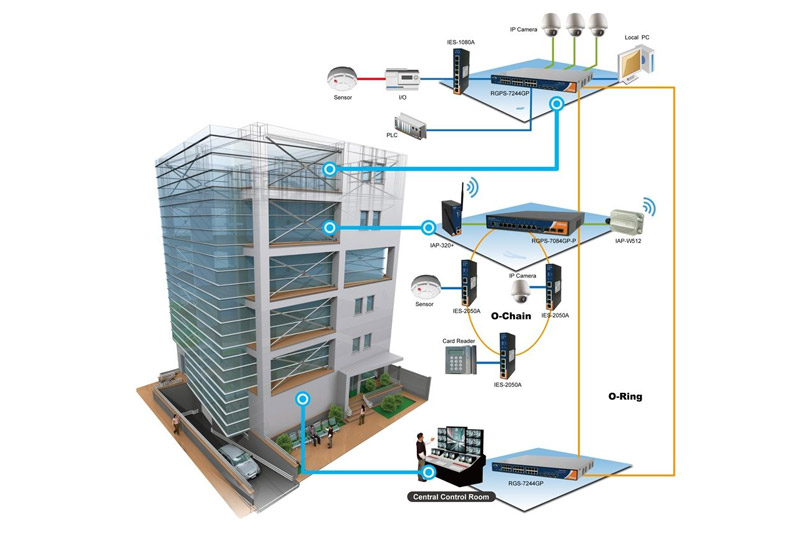
Indoor air quality is also a key concern. To provide employees with a truly healthy working environment, many businesses have equipped their offices with air quality sensor systems.
This is not only related to employee health and well-being, but also makes a significant contribution to improving workplace productivity.
3.4 Real-Time Office Space Utilization Management System
In recent years, the open office has become a new trend for many businesses. Instead of confining one company within a fixed office layout, many organizations and companies now share open and flexible workspaces.
This helps businesses reduce costs while improving workforce coordination and recruitment efficiency.
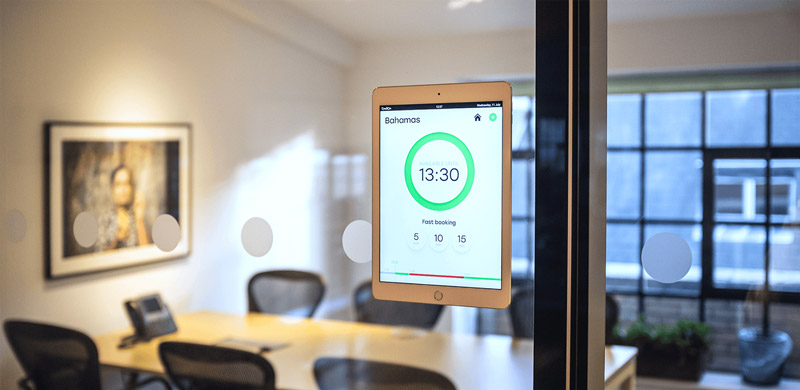
However, the main drawback of an open office is the arrangement and allocation of seating for employees. Fortunately, there are now many software solutions that help manage office space utilization in real time, such as QUBIC.
Even when working from home, employees can schedule their office visits, reserve desks, book meeting rooms, book rest areas in the office, and access many other functions.
With the advancement of technology, designing a dream smart office similar to Stark Tower in Marvel’s famous film Iron Man is entirely possible in reality.
Although there are concerns related to information security, it is undeniable that a Smart Office is a key factor in improving employee productivity, reducing workplace pressure, and, above all, increasing job satisfaction. This is exactly what every business today is striving for.
4. Some Smart Offices Currently Preferred by Many Businesses
4.1 OfficeHaus Building
OfficeHaus was recognized as the Best Low-Rise Office Development at the 7th PropertyGuru Vietnam Property Awards. In addition to achieving LEED Gold certification, the office tower, developed by Celadon City’s investor Gamuda Land, introduces a breakthrough approach centered on “touchless” technology within the building. 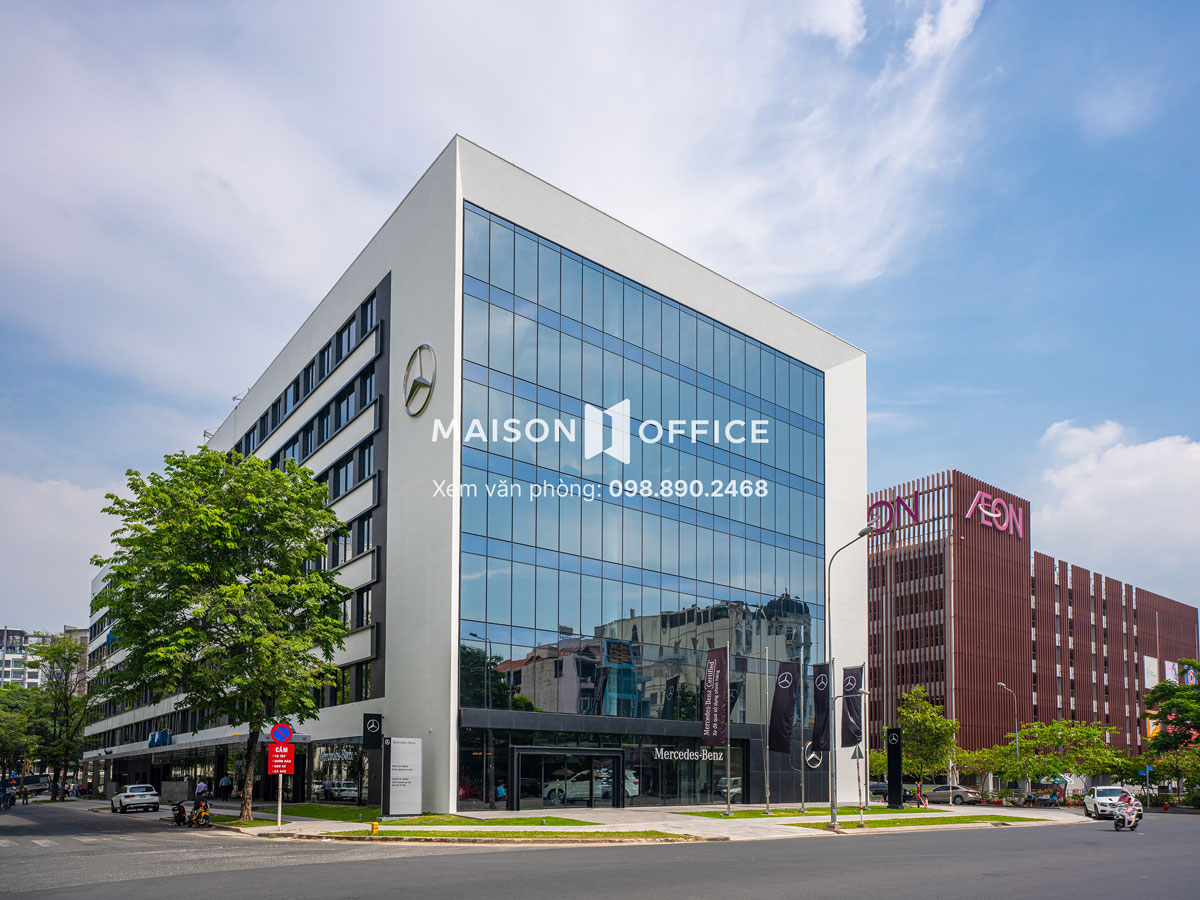
In addition, OfficeHaus provides a modern, efficient, and inspiring workplace that helps attract and retain a highly skilled workforce while improving productivity and operational efficiency, thereby reducing operating costs.
4.2 Deutsches Haus
Deutsches Haus Ho Chi Minh City is a premium office building recognized for its innovative and energy-efficient design, located in the heart of Ho Chi Minh City at a strategic corner of Le Duan and Le Van Huu Streets.
The 25-storey building offers approximately 30,000 sqm of usable area dedicated to premium office space.

Designed with advanced equipment and modern services, Deutsches Haus Ho Chi Minh City meets the expectations of a premium office building located right in the city center.
The building houses the Consulate General of the Federal Republic of Germany and serves as an ideal destination for German companies, while contributing to the development of Vietnam–Germany relations.
Modern German technology combined with a high level of sustainability creates an innovative workspace with outstanding quality for this commercial office building.
Overall, a smart office is not only a tool but also a strategic solution that helps businesses strengthen their competitiveness in an increasingly dynamic market. Investing in the development and design of a smart office is a sound decision that delivers long-term benefits for businesses and helps create an ideal working environment for employees.
Editor and content team manager at Maison Office.
With over 5 years of experience in consulting and extensive content editing in the real estate services and interior design field. Sharing valuable information with customers, partners, and attracting millions of views.


