
 English

Why Businesses Are Moving Offices Outside the City Center?

 9 min read
502

Businesses moving their offices outside the city center has become a clear trend as CBD rents rise, infrastructure in non-central areas improves, and operational optimization becomes a top priority. Instead of concentrating their entire organization in the urban core, many businesses are choosing Binh Thanh, Phu Nhuan, Tan Binh, District 7, Thu Duc City, or newly developing areas in Hanoi to secure more flexible space, reasonable costs, and better expansion capacity.
Table of Contents
- 1. Which Areas Are Considered Outside the City Center
- 2. The Trend of Businesses Moving Outside the City Center
- 3. Why Businesses Are Moving Offices Outside the City Center
- 3.1 CBD Office Rents Are Increasing
- 3.2 Businesses Need Larger and More Flexible Floor Plates
- 3.3 Traffic Pressure and Limited Parking in the Center
- 3.4 Transport Infrastructure Outside the Center Is Improving
- 3.5 Changes in Working Models After the Pandemic
- 3.6 The Need to Optimize Costs and Operations Over the Long Term
- 4. Businesses Suited to Moving Outside the City Center
- 5. Benefits of Leasing an Office Outside the City Center
- 6. Fast-Growing Areas Outside the City Center
- 7. Considerations When Moving an Office Outside the City Center
- 8. Maison Office Advises Businesses on Professional Office Selection
- 9. (FAQ) – Frequently Asked Questions
1. Which Areas Are Considered Outside the City Center
Offices outside the city center are located beyond the traditional CBD core but still provide convenient access to the city center, airport, residential districts, industrial parks, or major transport corridors.
In Ho Chi Minh City, the core CBD is generally concentrated in District 1, while non-central and CBD Fringe areas include District 3, Binh Thanh, Phu Nhuan, Tan Binh, Tan Phu, District 7, and Thu Duc City. District 3 is considered CBD Fringe because it adjoins District 1. Binh Thanh, Phu Nhuan, Tan Binh, and District 7 are attracting many businesses because of reasonable rents, improving infrastructure, and a relatively diverse supply of Grade B and Grade C offices.
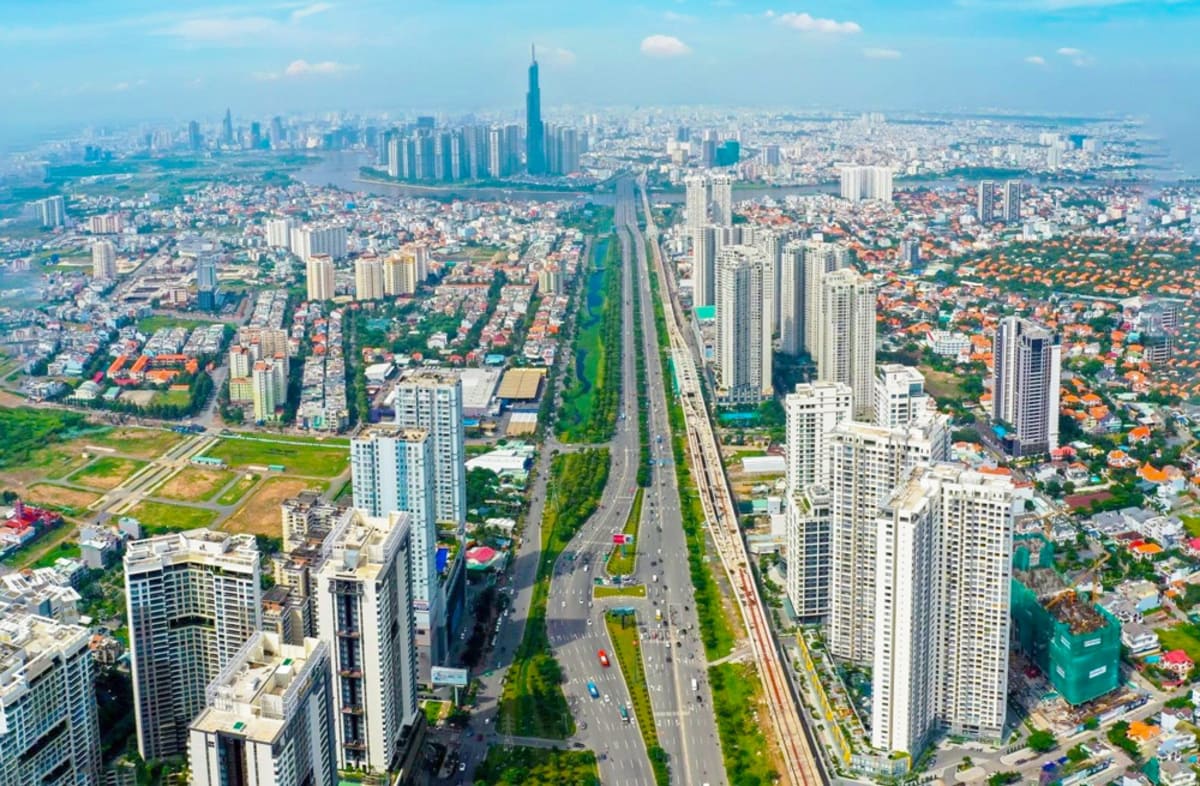
In Hanoi, offices outside the center are generally located beyond the traditional Hoan Kiem and Ba Dinh core, with notable areas including Cau Giay, Nam Tu Liem, Thanh Xuan, Ha Dong, Long Bien, and parts of Tay Ho. These areas are developing strongly as the urban transport network expands, the density of modern office buildings increases, and the market better accommodates technology, trading, education, logistics, startup, and medium-sized businesses.
2. The Trend of Businesses Moving Outside the City Center
The trend of moving offices outside the city center is increasingly evident in Ho Chi Minh City, particularly as CBD office rents continue to rise. According to Knight Frank Vietnam data cited in the source article, total net absorption in non-central areas reached nearly 200,000 sqm over the past ten years, approximately 50% higher than in the traditional center. This indicates that demand for Non-CBD offices is no longer temporary but has become part of the long-term operating strategy of many businesses.
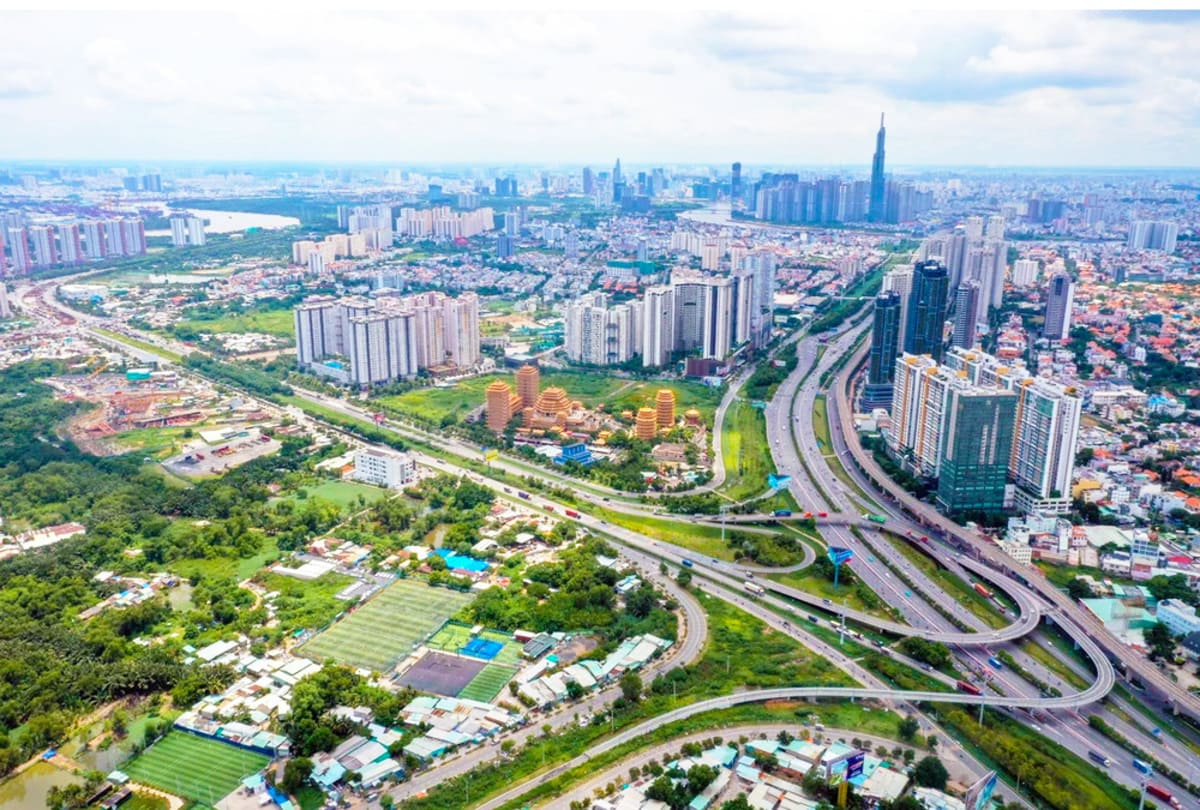
Rather than placing the entire organization in the CBD, many businesses are adopting a more flexible model: retaining a representative office in the center for branding and transactions while locating operations, administration, technology, or back-office functions in Binh Thanh, Phu Nhuan, Tan Binh, District 7, or Thu Duc City. This approach helps optimize rent, expand working space, and improve long-term operating efficiency.
3. Why Businesses Are Moving Offices Outside the City Center
The main reasons are cost pressures, the need for larger workspaces, traffic pressure in the CBD, and the restructuring of operating models toward greater flexibility.
3.1 CBD Office Rents Are Increasing
Office rents in the CBD, particularly in Grade A office buildings, are placing substantial pressure on corporate operating budgets. According to Knight Frank Vietnam data cited in the source article, rents for offices outside central Ho Chi Minh City are currently around USD 26 per sqm per month, while many Grade A buildings in the CBD have exceeded USD 50 per sqm per month. This gap is prompting businesses, especially large-space tenants, to consider relocating to more affordable areas.
3.2 Businesses Need Larger and More Flexible Floor Plates
As headcount grows or operating models change, businesses need larger premises that are easy to divide into functional layouts and offer room for future expansion. However, large floor plates in central areas are generally scarce and expensive. Non-central areas such as Binh Thanh, Phu Nhuan, Tan Binh, District 7, and Thu Duc City have an advantage in available floor area and are well suited to technology, logistics, manufacturing, back-office, and internal operations teams.
3.3 Traffic Pressure and Limited Parking in the Center
CBD areas usually have heavy traffic, frequent congestion during peak hours, and limited parking for employees, clients, and partners. This directly affects commuting experience, travel time, and daily operating efficiency. Many non-central office buildings, by contrast, are easier to access, offer more parking, and suit businesses with large workforces or frequent visitor traffic.
3.4 Transport Infrastructure Outside the Center Is Improving
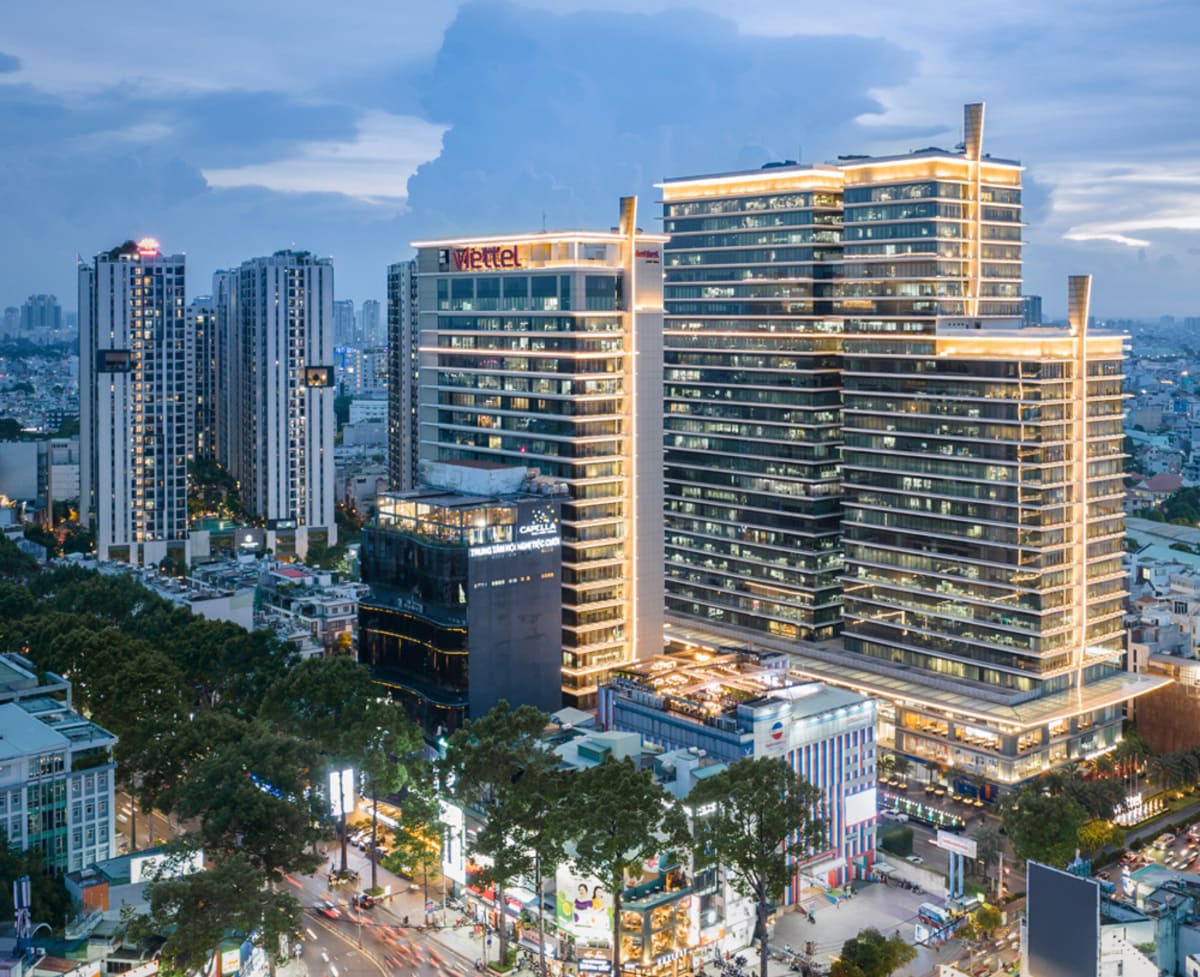
The development of major roads, inter-district bridges, and new urban areas is reducing the distance between the center and areas outside the CBD. Routes such as Dien Bien Phu, Nguyen Van Troi, Cong Hoa, Nguyen Huu Canh, Nguyen Van Linh, Hanoi Highway, and Vo Van Kiet enable faster connections to the city center, airport, ports, industrial parks, and major residential districts.
3.5 Changes in Working Models After the Pandemic
After the pandemic, many businesses adopted flexible working models that combine office-based and remote work and allocate employees by functional group. As a result, the entire organization no longer needs to be concentrated in the CBD. Businesses can maintain a representative office in the center while placing operations, administration, technology, or customer support teams outside the center to use space more efficiently.
3.6 The Need to Optimize Costs and Operations Over the Long Term
Moving outside the city center is not merely a short-term cost-cutting measure; it is also a long-term operating strategy. Businesses can reduce fixed rental pressure, expand their workspaces, improve the employee experience, and allocate budgets more effectively to technology, people, marketing, or business development.
4. Businesses Suited to Moving Outside the City Center
Not every business needs an office in the CBD, particularly as central rents rise and operating models become more flexible. For businesses seeking to optimize budgets, expand their premises, accommodate large teams, or separate operations from a representative office, areas such as Binh Thanh, Phu Nhuan, Tan Binh, District 7, Tan Phu, and Thu Duc City can be more suitable over the long term.
The best-suited groups include technology, logistics, e-commerce, manufacturing, and professional-services companies, back-office operations, customer service centers, and businesses with large workforces. These models often require large floor plates, convenient parking, reasonable rents, and flexible expansion capacity rather than a central address alone.
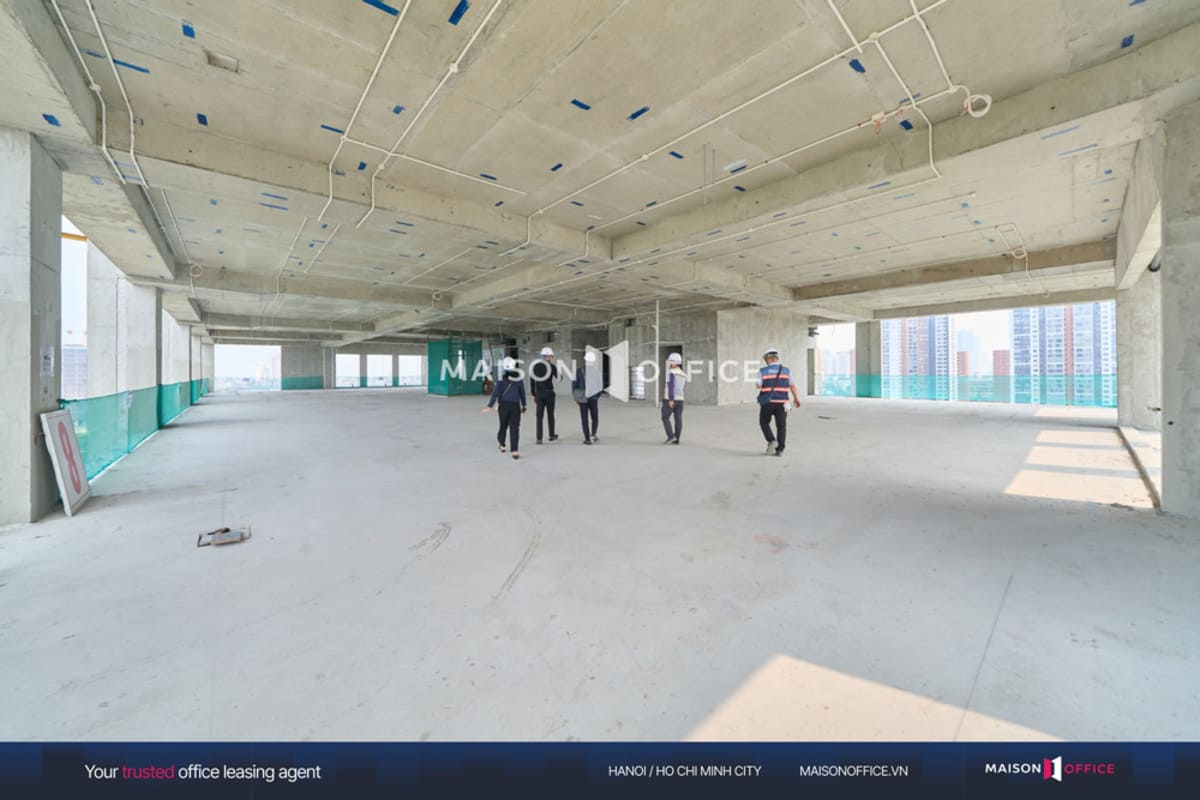
Multinational corporations and FDI enterprises may also adopt a distributed model: retaining a CBD representative office for brand image, transactions, and client reception while moving administration, operations, engineering, or internal support functions outside the center. This structure balances brand considerations with operating efficiency and reduces fixed rental pressure as the office market becomes increasingly competitive.
5. Benefits of Leasing an Office Outside the City Center
Leasing outside the city center is increasingly suitable for businesses seeking to optimize costs, expand their workplaces, and improve long-term operating efficiency. Compared with the CBD, Non-CBD areas such as Binh Thanh, Phu Nhuan, Tan Binh, District 7, Tan Phu, and Thu Duc City offer the following practical benefits:
- Optimized rental costs: Rents outside the center are generally lower than in the CBD, reducing fixed costs and freeing more budget for people, technology, and marketing.
- Easier expansion: A diverse supply of premises serves businesses that need to increase headcount or accommodate multiple departments.
- More flexible space: Businesses can more easily create layouts suited to operations, including open workspaces, meeting rooms, team areas, and back offices.
- More convenient parking: Many non-central buildings offer larger parking facilities, making access easier for employees, clients, and partners.
- Reduced commuting pressure: Locations near residential areas or major roads can shorten commuting time and improve the employee experience.
- Connections to multiple economic areas: Binh Thanh, Phu Nhuan, Tan Binh, District 7, and Thu Duc City provide good access to the center, airport, ports, and industrial parks.
- Suitability for distributed operations: A business can retain a representative office in the CBD while placing operations, administration, and technology functions outside the center.
- Greater long-term growth capacity: Reasonable costs and flexible premises enable businesses to expand as headcount or business activity grows.
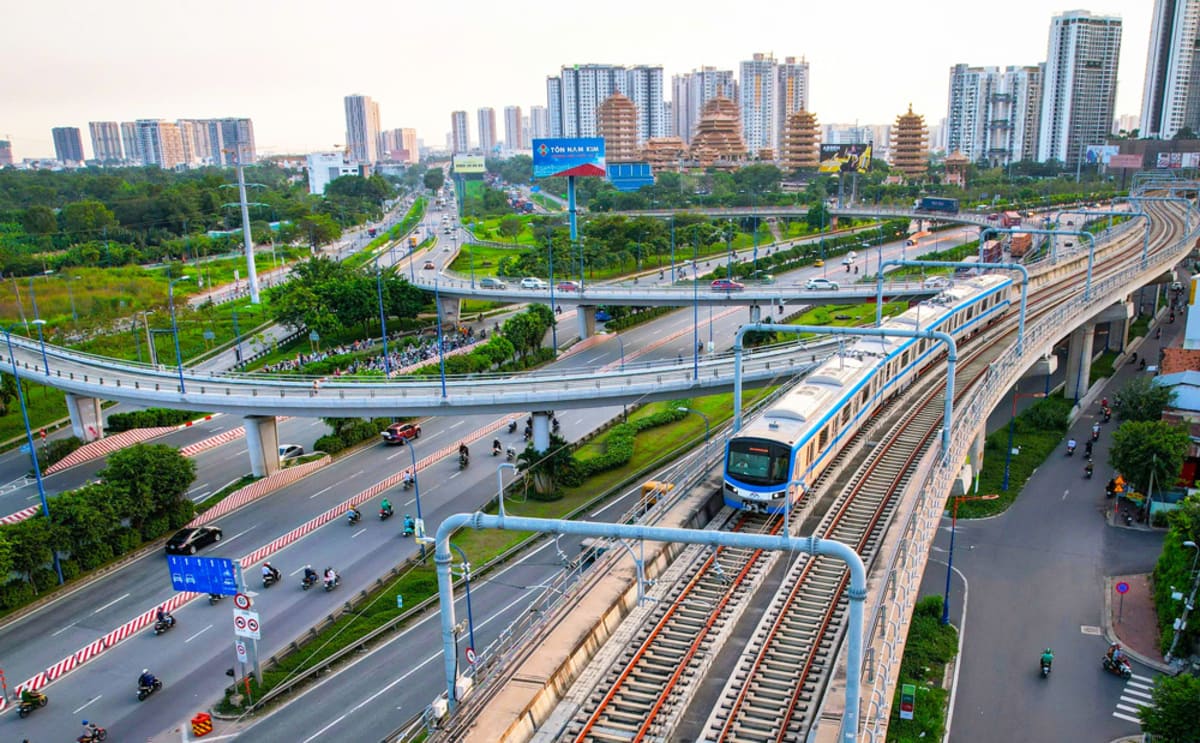
6. Fast-Growing Areas Outside the City Center
Non-central areas are developing rapidly because rents are more reasonable than in the CBD, office supply is diverse, transport connections are improving, and the locations suit businesses focused on operating-cost efficiency.
6.1 Leading Non-Central Areas in Ho Chi Minh City
Fast-growing non-central areas in Ho Chi Minh City include Binh Thanh, Phu Nhuan, Tan Binh, District 7, Tan Phu, and Thu Duc City. Binh Thanh benefits from its proximity to District 1 and quick connections to Thu Duc City. Phu Nhuan and Tan Binh stand out for their proximity to Tan Son Nhat International Airport, making them suitable for logistics, trading, import-export, and representative-office businesses.
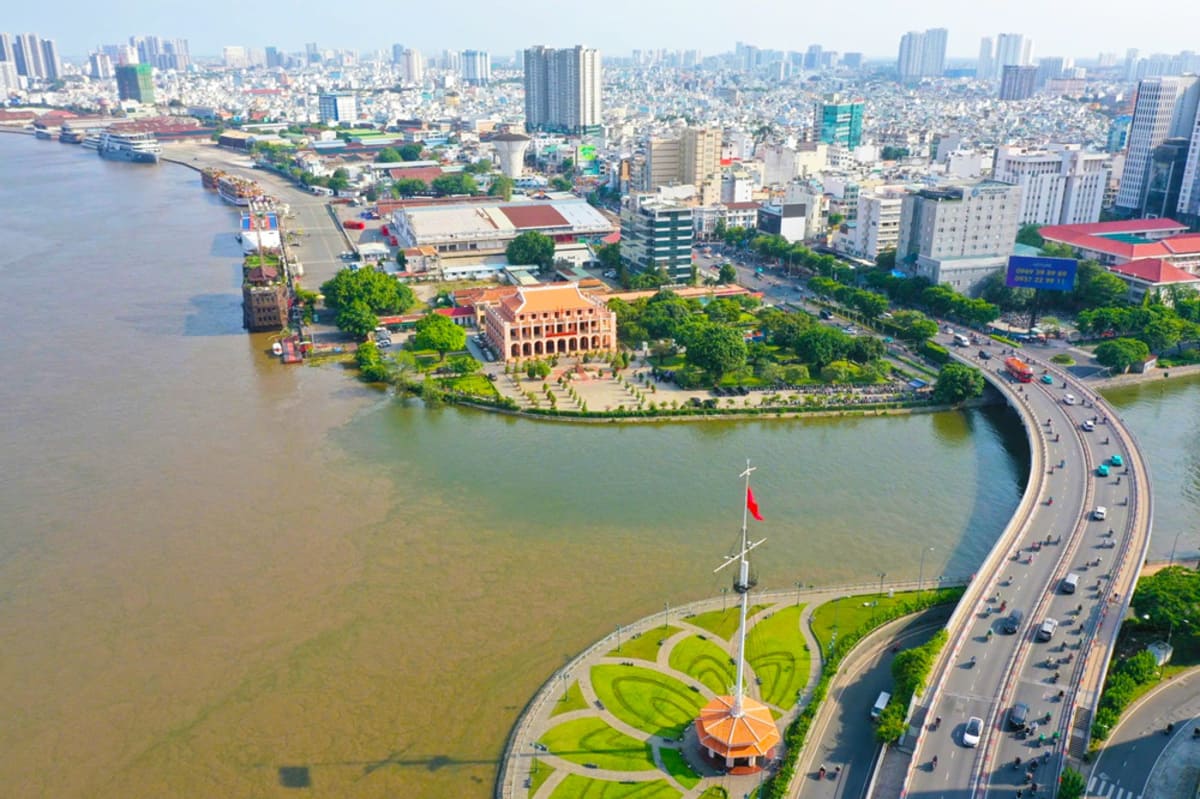
District 7 and Thu Duc City are also attracting businesses through extensive land resources, developing urban infrastructure, and a modern office supply. District 7 suits FDI, technology, and trading businesses, while Thu Duc City has the potential to become a new office hub linked to finance, technology, and high-end services.
6.2 Leading Non-Central Areas in Hanoi
Fast-growing non-central areas in Hanoi include Cau Giay, Nam Tu Liem, Thanh Xuan, Ha Dong, Long Bien, and parts of Tay Ho. Cau Giay and Nam Tu Liem stand out because of their large office supply, numerous Grade A and Grade B buildings, developed technology ecosystem, and good connections to Pham Hung, Duy Tan, Xuan Thuy, and Me Tri.
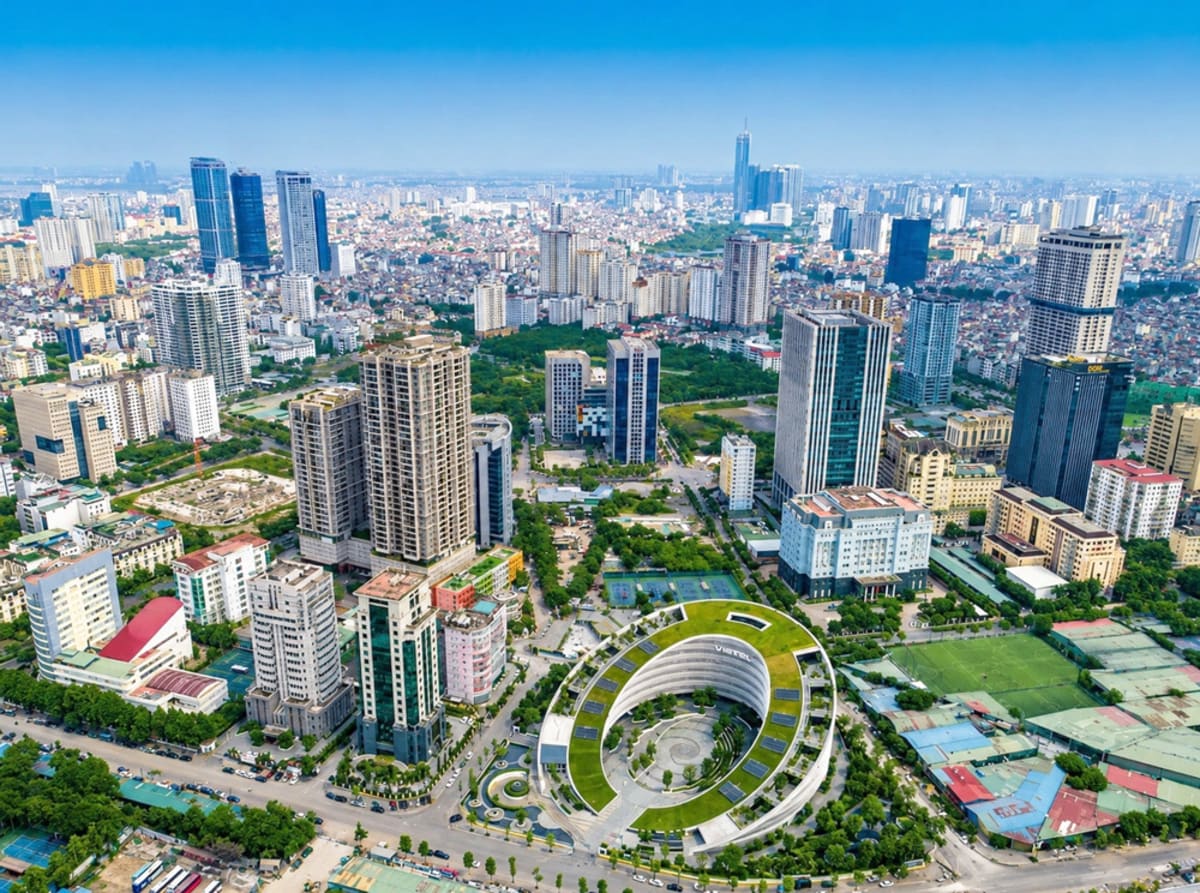
Thanh Xuan, Ha Dong, and Long Bien suit businesses seeking competitive rents, varied premises, and convenient connections to western or central Hanoi. Tay Ho is suitable for representative offices, international organizations, and service, education, and consulting businesses seeking a spacious working environment and professional image.
7. Considerations When Moving an Office Outside the City Center
Moving an office outside the center can help optimize costs and expand the workplace, but the decision must be assessed carefully across multiple operational factors. Businesses should not look only at lower rents; they should also consider total costs, connectivity, employee experience, and suitability for clients and partners.
- Calculate total occupancy costs: In addition to rent per sqm, consider management fees, VAT, parking, overtime charges, interior fit-out, relocation, and reinstatement costs.
- Assess employee commuting: The new location should suit where most employees live, their commuting habits, and their means of transport so that productivity is not affected.
- Consider convenience for clients and partners: If the business frequently receives visitors or holds in-person meetings, choose a professional building that is easy to find and access.
- Inspect building quality: Assess lifts, air-conditioning, fire safety, parking, security, internet, backup power, and management services to ensure stable operations.
- Consider expansion capacity: Businesses planning to increase headcount should prioritize buildings with flexible additional space to avoid repeated relocations within a short period.
- Assess the impact on the brand: A location outside the center should still align with the company’s positioning. Finance, legal, and consulting businesses may consider retaining a representative office in the CBD.
- Choose the right relocation timing: Plan several months before the current lease expires to allow time for surveys, negotiations, design, fit-out, and premises handover.
8. Maison Office Advises Businesses on Professional Office Selection
As the movement of offices outside the city center becomes increasingly evident, businesses need an advisor with market experience to assess CBD, CBD Fringe, and non-central leasing options accurately. Maison Office helps analyze leasing requirements based on budget, headcount, sector, client locations, expansion plans, and the actual operating model.
With an office leasing database covering Ho Chi Minh City, Hanoi, and Da Nang, Maison Office helps businesses shorten the search process, compare suitable buildings, and understand costs including rent, management fees, VAT, parking, overtime charges, interior fit-out, and lease conditions. This provides an important basis for effective decisions and helps avoid choosing premises based solely on the initial rent.
 |
 |
In addition to recommending a building shortlist, Maison Office supports site inspections, analyzes the advantages and disadvantages of each location, and advises on negotiating rent and important lease clauses. This helps businesses choose an office aligned with their long-term operating strategy, optimize costs, and maintain a professional image when working with employees, clients, and partners.
Businesses considering a move outside the center or seeking suitable premises in Ho Chi Minh City, Hanoi, or Da Nang can contact Maison Office for advice on an office leasing solution aligned with their budget, scale, and development direction.
9. (FAQ) – Frequently Asked Questions
9.1 Are Offices Outside the City Center Suitable for Large Businesses?
Yes. Many large businesses, particularly in technology, logistics, manufacturing, and professional services, are prioritizing offices outside the center because they need large premises, reasonable costs, and flexible expansion capacity.
9.2 Should a Business Retain a Representative Office in the CBD?
If a business needs a strong brand image, frequently meets partners, or operates in finance, legal services, or consulting, retaining a representative office in the CBD remains valuable. Operating teams, however, can be located outside the center to optimize costs.
9.3 How Do Offices Outside the City Center Differ from Offices in Peripheral Areas?
Offices outside the city center generally refer to areas beyond the CBD that still have good connections to the center, such as Binh Thanh, Phu Nhuan, Tan Binh, District 7, or Thu Duc City. “Peripheral areas” can have a broader meaning, including locations far from the urban core or near the city boundary.


