

 Việt Nam
 English

Cases of Early Termination of an Office Lease

 8 min read
506

Early termination of an office lease is an issue businesses need to understand when they want to return premises early, relocate or address a dispute during the lease term. If the process does not follow the lease provisions, the tenant may risk losing its deposit, paying a contractual penalty or compensating for damage. Understanding the permitted grounds for termination and the obligations involved helps a business protect its interests.
Table of Contents
- 1. What Is Early Termination of an Office Lease?
- 2. Legal Basis for Early Termination of an Office Lease
- 3. Cases of Early Termination of an Office Lease
- 3.1 Termination by Mutual Agreement
- 3.2 Unilateral Early Termination by the Tenant
- 3.3 Unilateral Early Termination by the Landlord
- 3.4 Termination Due to the Landlord’s Breach
- 3.5 Termination Due to the Tenant’s Breach
- 3.6 Termination Due to Force Majeure
- 3.7 Termination Due to Renovation or Change of Use
- 4. Does Early Termination Mean Losing the Deposit?
- 5. Is Advance Notice Required for Early Termination?
- 6. What Should a Tenant Do Before Terminating the Lease?
- 7. Risks of Early Termination of an Office Lease
- 8. Maison Office Support for Office Tenants
- 9. (FAQ) – Frequently Asked Questions
1. What Is Early Termination of an Office Lease?
Early termination of an office lease means that the tenant, landlord or both parties agree to end the lease before the committed expiry date. This commonly occurs when a business changes its operating scale, relocates, no longer needs the office, or when either party breaches its obligations.

In substance, early termination involves more than returning the premises. It may also involve refunding the deposit, settling outstanding amounts and service charges, paying reinstatement costs, contractual penalties and compensation for damage. Before ending the lease, a business should review the lease provisions, notice period, and each party’s rights and obligations to reduce the risk of a dispute.
2. Legal Basis for Early Termination of an Office Lease
The first basis is the parties’ signed office lease agreement, including the lease term, early-termination conditions, notice period, deposit, contractual penalties, compensation and handover obligations.
Legally, an office lease is generally treated as a lease of a house, building, or floor area within a building. Termination should therefore be checked against the 2015 Civil Code provisions on deposits, contract performance and unilateral termination, together with the 2023 Law on Real Estate Business provisions on the rights and obligations of landlords and tenants in leases of houses and buildings.

Under the current rules cited by the source article, a landlord may not unilaterally terminate the lease if the tenant is properly performing its obligations. If the tenant breaches its obligations, the landlord may terminate but must give 30 days’ prior notice unless the parties have agreed otherwise.
3. Cases of Early Termination of an Office Lease
Early termination may result from mutual agreement, a party’s right to terminate unilaterally, or objective events that make continued occupation unsuitable.
3.1 Termination by Mutual Agreement
This is the lowest-risk case because the tenant and landlord agree to end the office lease before expiry. The agreement should be made in writing and state the termination date, condition of the premises at handover, outstanding amounts, treatment of the deposit and any additional costs. This commonly occurs when a business changes scale, relocates or no longer needs the leased area.
3.2 Unilateral Early Termination by the Tenant
A tenant may unilaterally terminate the office lease early where there is a contractual or legal basis, such as the landlord’s failure to hand over the premises as agreed, failure to repair an unsafe office, or an unreasonable rent increase. If the tenant returns the premises for internal business reasons without meeting the termination conditions, it may lose its deposit, incur a contractual penalty or owe compensation.

3.3 Unilateral Early Termination by the Landlord
A landlord may unilaterally terminate the office lease early if the tenant breaches obligations by paying rent late, using the office for an unauthorised purpose, subletting without permission, altering the premises without consent or causing serious damage to the leased property. If the tenant continues to perform its obligations properly, the landlord may not terminate at will unless the parties have agreed otherwise.
3.4 Termination Due to the Landlord’s Breach
An office lease may end early if the landlord breaches obligations in a way that affects the tenant’s stable use of the premises. Common examples include late handover, handover in a condition different from that agreed, failure to repair an unsafe office, or failure to provide promised building services. The tenant should retain the lease, emails, minutes and photographs of the premises as supporting evidence.
3.5 Termination Due to the Tenant’s Breach
Tenant breach is a common basis for a landlord to seek early termination. Typical breaches include late rent, unpaid service charges, unauthorised use, alterations without approval and serious violations of building rules. The tenant may then have its deposit retained and may be required to settle outstanding amounts, reinstate the premises or compensate for damage under the lease.

3.6 Termination Due to Force Majeure
A force majeure event may be considered a basis for early termination if it is objective, unforeseeable and makes continued performance impossible. Examples may include a natural disaster, fire, serious building incident or a government decision restricting use. The business must still check the force majeure clause in the lease before terminating.
3.7 Termination Due to Renovation or Change of Use
An office lease may end early if the building undergoes major renovation, technical-system upgrades or a change of use, or if it no longer qualifies for its original leasing purpose. This can affect the tenant’s operating plan, relocation costs and right to use the premises. The tenant should examine the provisions on renovation, suspension of operations, deposit refunds, relocation support and compensation, if any.
4. Does Early Termination Mean Losing the Deposit?
Early termination does not automatically mean that the tenant will lose its deposit. Whether the deposit is returned depends on the signed lease, the reason for termination, fault attributable to each party, and the amounts outstanding when the premises are handed back.
Common deposit outcomes include:
- Deposit retained after an unauthorised early exit: The tenant may lose the deposit if it returns the office early without permission, fails to give the required notice or breaches agreed obligations.
- Breaches likely to result in deposit loss: Examples include late rent, unpaid service charges, unauthorised use, alterations without consent or damage to the leased property.
- Deposit used to offset amounts due: The deposit may be applied against outstanding debts, unpaid service charges, repair costs, contractual penalties or compensation.
- Grounds for requesting a refund: The tenant may seek return of the deposit if termination results from the landlord’s breach, such as incorrect handover, failure to repair unsafe conditions or an unreasonable rent increase.
- Termination by mutual agreement: The deposit is normally returned after the parties reconcile outstanding amounts, inspect the premises and deduct any amounts payable.
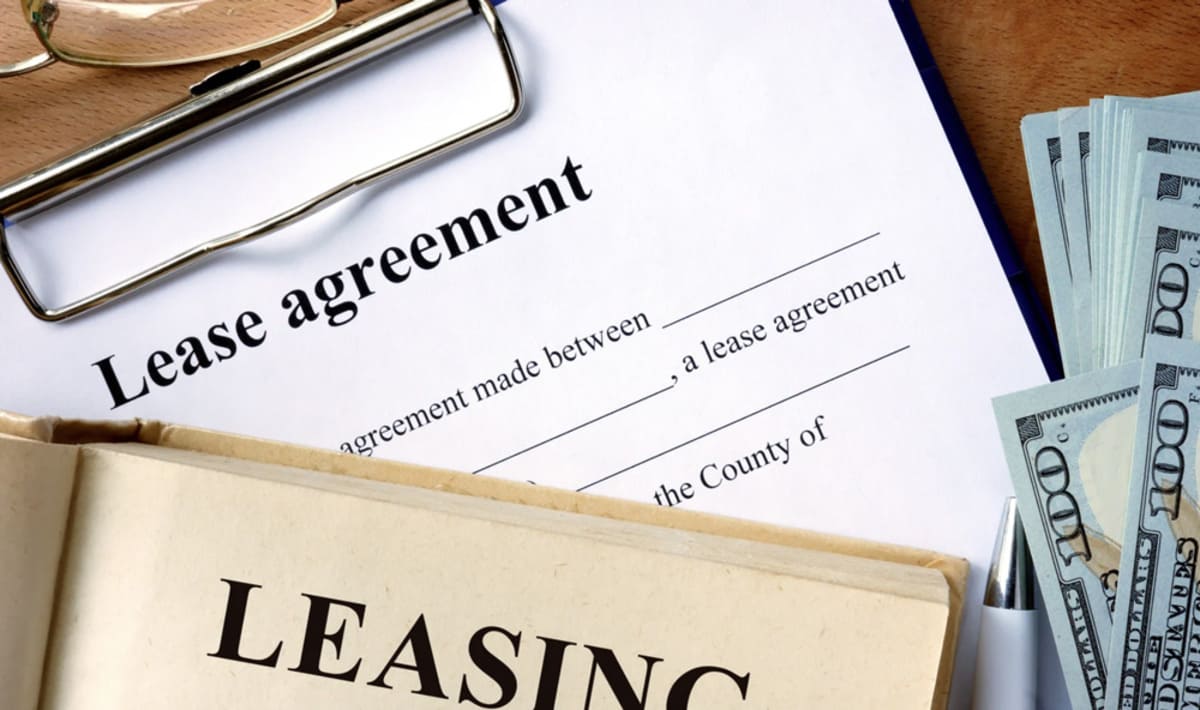
To reduce disputes, the tenant should review the deposit clause, refund conditions, notice period and reinstatement obligations before serving a termination notice.
5. Is Advance Notice Required for Early Termination?
The party seeking early termination normally has to notify the other party within the period agreed in the lease. In practice, the notice period may be 30, 60 or 90 days, depending on the building’s policy, the leased floor area, the lease term and the agreed provisions. Notice gives both parties time to reconcile debts, settle the deposit, inspect the premises and prepare the handover minutes.
If the lease does not state a clear notice period, the business should still give written notice within a reasonable time to avoid a dispute. Returning the premises, stopping payment or leaving without notice may constitute a breach, creating a risk of deposit loss, a contractual penalty or compensation if the landlord suffers damage.
6. What Should a Tenant Do Before Terminating the Lease?
Before ending an office lease early, the tenant should prepare the records, grounds for termination and handover plan carefully to reduce the risk of deposit loss, contractual penalties or a dispute with the landlord.
- Review the termination clause: Check whether early termination is allowed, the applicable conditions, the required notice period and each party’s responsibilities when the lease ends.
- Check the deposit, penalty and compensation provisions: Identify when the deposit is refundable or may be retained, the penalty for returning the premises early, and any amounts that may be deducted on termination.
- Confirm that the reason for termination is valid: Determine whether the termination results from an internal need, landlord breach, force majeure or mutual agreement. This affects the right to a deposit refund and any compensation obligation.
- Reconcile outstanding amounts and additional costs: Check rent, service charges, overtime charges, electricity, water, parking, repairs and any other unpaid amounts before handover.
- Send a formal written termination notice: State the reason, proposed return date, suggested inspection schedule and proposed deposit treatment. Use a channel recognised by the lease, such as hand delivery, an official email address or registered post.
- Prepare to reinstate the premises: If the lease requires return to the original condition, plan the removal of fit-out items, signage, partitions and installed technical systems.
- Sign handover and lease-liquidation minutes: Record the condition of the premises, assets handed over, outstanding amounts, and the deposit refunded or deducted. The liquidation minutes provide important evidence that the lease has ended and help prevent later disputes.

7. Risks of Early Termination of an Office Lease
If early termination is not handled through the correct process, it may create financial, legal and operational risks for the business.
- Loss of the office lease deposit: This is the most common risk when a tenant returns the premises without authorisation, fails to give notice on time or breaches an agreed term.
- Contractual penalty: Some leases set a specific penalty for unilateral early termination, particularly before the minimum lease period has expired.
- Compensation for damage: If early termination causes actual loss to the landlord, the tenant may have to compensate under the lease or applicable law.
- Reinstatement costs: The business may need to remove partitions, signage, electrical systems and added furniture, or repair damage before returning the office in the agreed condition.
- Disputes over debts and service charges: Rent, management fees, overtime air-conditioning charges, parking, cleaning, repairs and late-payment amounts can become disputed if they are not reconciled before liquidation.
- Business interruption: Without a suitable relocation plan, the business may disrupt work schedules, client meetings, internal operations, business address registration and its professional image with partners.
- Difficulty negotiating a new office lease: An exit that does not follow the correct process may affect the company’s standing with developers, building managers and other landlords.
To reduce these risks, the tenant should review the lease, prepare written notice, reconcile all amounts due, and complete clear handover and liquidation minutes before returning the premises.
8. Maison Office Support for Office Tenants
Office leasing decisions should consider operational needs, budget, location and area, as well as provisions on the deposit, lease term, service charges, handover and early termination. Without market-evaluation and lease-negotiation experience, a business may choose unsuitable premises, incur unexpected costs or face disadvantages when its leasing plan changes.
 |
 |
Maison Office helps businesses search for and select suitable offices in Ho Chi Minh City, Hanoi and Da Nang through a professional advisory process: gathering requirements, recommending buildings, providing quotations, arranging inspections, comparing options and supporting lease negotiations. With current market data and experience working with numerous developers and building-management teams, Maison Office helps businesses control costs, reduce contractual risk and plan long-term operations more proactively.
9. (FAQ) – Frequently Asked Questions
9.1 How Long Can Rent Remain Unpaid Before the Lease Is Terminated?
The permitted period of late payment is normally stated in the office lease. If the tenant does not meet its payment obligation, the landlord may unilaterally terminate in accordance with the agreement or applicable law.
9.2 Can an Unreasonable Rent Increase Justify Termination?
Potentially, if the landlord increases the rent contrary to the agreement or adversely affects the tenant’s rights. The tenant should check the rent-escalation clause before requesting termination.
9.3 Are Lease Liquidation Minutes Required When Returning an Office?
Yes. Lease liquidation minutes confirm the contract end date, condition of the premises, outstanding amounts, and the deposit refunded or deducted.


