

 Việt Nam
 English

What is a Shared Office? Types and Benefits of Leasing One

 6 min read
1.2K
6 min read
1.2K

In the context of the modern labor market increasingly demanding flexibility and cost efficiency, shared offices have quickly become an indispensable solution for many businesses, whether large or small, as well as for freelancers. This is not just a temporary trend but has become an important part of the modern working structure, meeting the need for a flexible, professional, and collaborative workspace.
Table of Contents
A shared office is a workspace leasing service that provides workstations within a common office environment, allowing users to access the full range of functions, facilities, and amenities available in the office.
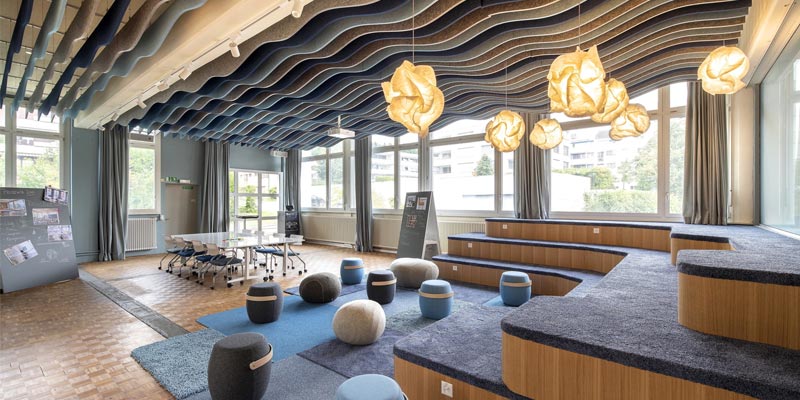
Shared offices offer a wide range of leasing options to meet the needs of different businesses and individuals. Some common types include:
- Dedicated Desk
- Flexible Desk
- Private Office
2.1 Dedicated Desk
This option provides you with a fixed workstation, meaning you can use the exact same seat every time you come to the office. It usually includes a dedicated desk and may also come with a personal filing cabinet. This is a suitable choice for those who need a stable workspace and on-site document storage.
2.2 Flexible Desk
With this option, you do not have a fixed seat. Instead, you can choose any available seat in the shared area whenever you come to the office. This provides a high level of flexibility and is suitable for those with non-fixed working schedules or those who frequently change their working location to find new inspiration.
2.3 Private Office
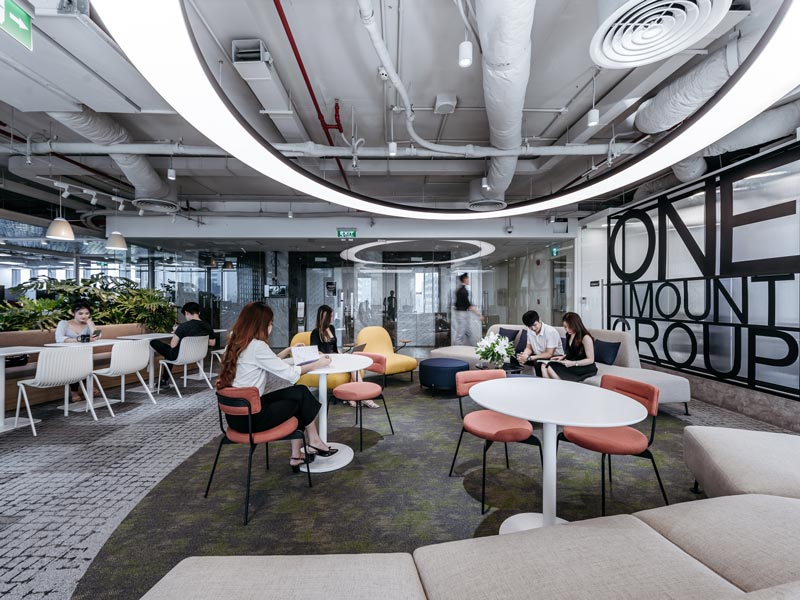
This option provides an independent workspace, usually enclosed by partitions or walls. A private office offers greater privacy and quietness, making it suitable for companies or teams that need a dedicated space to work or meet clients without being affected by surrounding activities.
Each option has its own advantages and limitations, and the right choice depends on the needs, budget, and working style of each individual or organization.
As a modern office solution, a shared office offers many attractive benefits for businesses, including:
- Shared offices help businesses save time
- Flexible payment options
- A wide range of services and amenities included
- Convenient office locationsMore networking opportunities
- Comfortable relaxation areas
- Shared offices help enhance brand image
- Opportunities to access new markets
3.1 Time Savings for Businesses
Leasing a shared office helps businesses save significant time and costs compared with setting up and operating a traditional office. Companies do not need to worry about purchasing equipment, finding a suitable location, or managing facilities, allowing them to focus on business growth from day one.
3.2 Flexible Payment Options
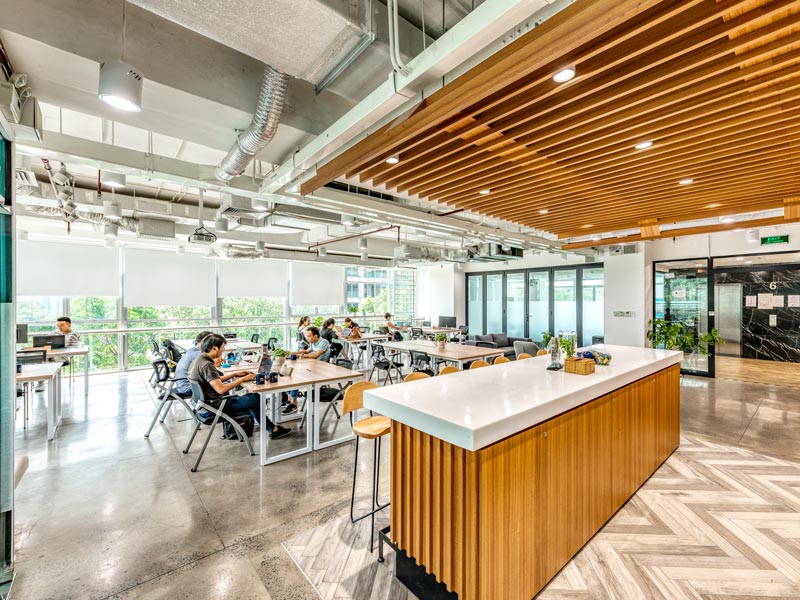
Leasing a shared office helps businesses save significant time and costs compared with setting up and operating a traditional office. Companies do not need to worry about purchasing equipment, finding a suitable location, or managing facilities, allowing them to focus on business growth from day one.
3.3 A Wide Range of Included Services and Amenities
Shared offices provide a full range of services, from basic to premium, to meet various business needs. Clients can use modern equipment and facilities such as ergonomic desks and chairs, printers, scanners, high-speed Wi-Fi, air-conditioning systems, and secure parking areas.
In addition, shared offices also offer office pantries, meeting rooms equipped with projectors, TVs, power outlets, and other essential amenities.

3.4 Convenient Location
Shared offices are often located in prime areas that offer convenient access and help enhance brand visibility for businesses. These locations are usually close to shopping centers, dining areas, and public transportation systems, making it easier to connect with clients and partners.
3.5 More Networking Opportunities
A shared office is an ideal environment for building connections and expanding business networks. Whether you are a startup founder, business owner, or office professional, you have the opportunity to meet and interact with various people in an inspiring shared workspace.
Shared offices often organize networking events and meetups, helping strengthen interaction within the business community.
3.6 Providing Comfortable Relaxation Areas
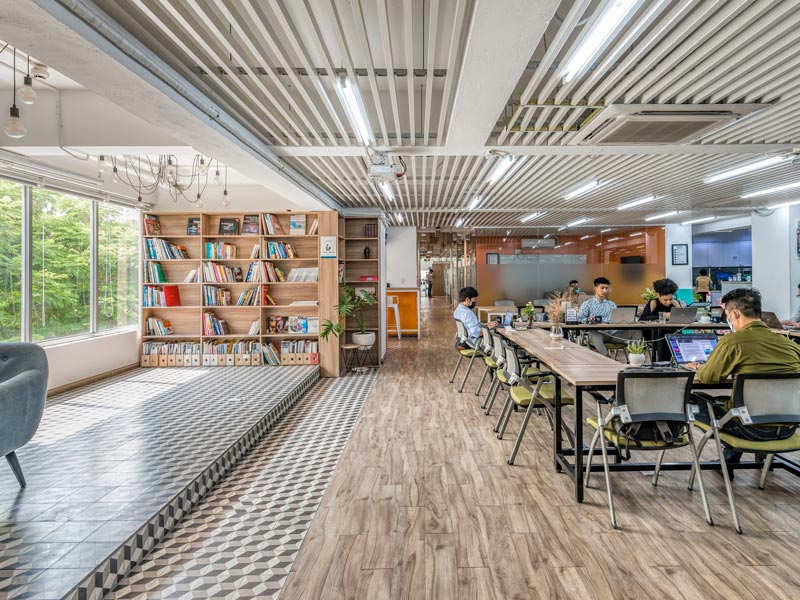
In addition to workspaces, shared offices also provide well-equipped relaxation and recreational areas such as entertainment rooms and dining areas with amenities including microwaves, refrigerators, hot water dispensers, and gaming areas. These facilities allow employees to relax and recharge after stressful working hours, while also creating opportunities for interaction and connection.
3.7 Enhancing Corporate Brand Image
Shared offices are well-designed and fully equipped, helping businesses improve operational efficiency while creating a strong impression on clients and partners. With a dedicated reception area and attentive support from front-desk staff, a shared office helps build a professional and trustworthy image for your business.
3.8 Opening Up New Markets
When operating from a traditional office, entering new markets can be challenging due to high costs and limited flexibility in setup. Finding a prime location and opening a new office, especially in international markets, can be expensive and time-consuming.

Conversely, shared office networks provide an optimal solution for market expansion. With a network of coworking and shared workspace locations across multiple countries, businesses can quickly and cost-effectively establish a presence in new markets.
Although shared offices offer many practical advantages and benefits, choosing the right shared office requires careful consideration of the following factors to find an ideal working environment:
- Identify your needs: Businesses should clearly define their shared office requirements in order to choose the right option, such as a private office, shared workstation, meeting room, and other workspace solutions.
- Compare costs: Businesses should compare rental costs among different shared offices to select a pricing option that aligns with their financial capacity.
- Evaluate included services: Carefully review the support services included in the rental fee to ensure they fully meet the company’s operational needs.

- Real-life experience: Visit the shared office in person to evaluate the working environment, business community culture, and whether it aligns with your company culture.
- Review the contract carefully: Businesses should carefully review the lease agreement, especially terms related to the lease term, rental costs, support services, and payment conditions, to avoid potential legal risks.
Carefully considering the above factors will help you find a suitable shared office, optimize work efficiency, and create an ideal working environment.
Shared offices and traditional offices each have their own advantages and limitations. Depending on the needs and financial capacity of each company or individual, businesses can choose the office model that best suits them. Below is a comparison table between shared offices and traditional offices:
| Criteria | Shared Office | Traditional Office |
| Cost | Flexible rental fees, usually lower | High costs, long-term lease |
| Lease term | Flexible, can be rented by the hour/month | Usually requires a long-term contract |
| Workspace | Shared space, may be noisy | Private and quieter |
| Working environment | Community-oriented, easy to connect and collaborate | Fewer opportunities to interact with other companies |
| Facilities | Usually includes meeting rooms, relaxation areas, and pantry | Depends on the company, may require additional investment |
| Technical support | Readily available and quick | Depends on the company’s own arrangement |
| Operations management | Managed by the shared office provider | Managed by the company itself |
A shared office is a flexible and cost-effective solution suitable for many businesses, especially startups, small companies, and medium-sized enterprises. However, businesses should choose a shared office that aligns with their needs, budget, and company culture to maximize the benefits.
Therefore, if you would like to learn more about shared offices in Hanoi or shared offices in Ho Chi Minh City, contact Maison Office today for consultation and a quotation.
Many shared office providers now support legal business address registration. However, you should check carefully with the operator and the local business registration authority to ensure legal compliance.
In most cases, shared offices require a deposit of 1 to 2 months, depending on the service package and lease term. This is intended to secure payment commitments and protect shared assets.
6.3 Can tenants switch to another seating option after leasing?
Most shared office providers allow tenants to switch between flexible desks, dedicated desks, or upgrade to a private office, depending on availability and the operator’s flexible leasing policy.
6.4 Can clients use meeting rooms free of charge?
Some rental packages include free meeting room usage for a fixed number of hours per month. If the usage exceeds the included time, additional fees may apply on an hourly or per-use basis.
Yes. For teams of 5–10 people, businesses can choose a private office or a dedicated desk cluster. This helps maintain reasonable costs while ensuring an effective team workspace.
Editor and content team manager at Maison Office.
With over 5 years of experience in consulting and extensive content editing in the real estate services and interior design field. Sharing valuable information with customers, partners, and attracting millions of views.


