

 Việt Nam
 English

Office Leasing Strategies for FDI Companies in Vietnam
 6 min read
502
6 min read
502

When entering Vietnam, leasing an office is one of the first strategic decisions an FDI company makes. It directly affects legal registration, operating structure, costs, and future expansion. A poorly planned choice can create additional expense and administrative risk, while a structured leasing strategy provides a stable foundation for long-term growth.
Table of Contents
1. Why Do FDI Companies Need a Structured Office Leasing Strategy?
For foreign-invested enterprises, the office is more than a workplace. It is tied to registered-address requirements, investment and business documentation, workforce planning, and the company’s market presence.
- The office address supports company registration, organizational setup, and commercial operations in Vietnam.
- The building’s permitted use and legal status may affect investment and licensing procedures.
- Total occupancy cost includes rent, service charges, fit-out, overtime use, and future space adjustments.
- A suitable layout and location support operational control and later expansion.
- The office reinforces credibility with partners and helps recruit and retain qualified employees.
2. Vietnam’s Office Market From an FDI Perspective
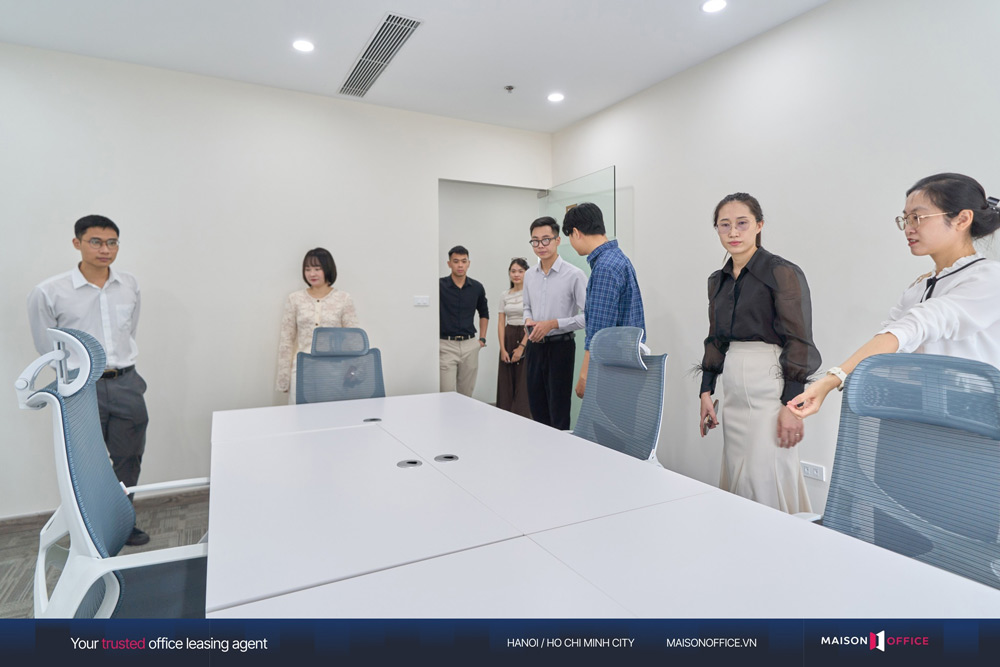
Vietnam’s office market is entering a rebalancing phase. Following supply-chain relocation into the country, FDI tenants increasingly seek workplaces that meet global standards for sustainability, flexibility, and employee experience rather than simply providing desks.
2.1 Current Office Markets in Ho Chi Minh City and Hanoi
2.1.1 Ho Chi Minh City Office Market
Ho Chi Minh City is the country’s commercial engine and a preferred destination for international investors. Its diverse Grade A and Grade B supply suits technology, trade, finance, and professional-service companies. Prime and newly completed buildings can command high rents, so space efficiency and full-cost planning are central to a long-term leasing strategy.

2.1.2 Hanoi Office Market
Hanoi offers stability and proximity to central government institutions. FDI companies often locate headquarters or executive offices here to work with regulators, state organizations, and partners in consulting, finance, and infrastructure. Compared with Ho Chi Minh City, rents are generally more stable and often lower, which can improve long-term budget predictability.
Related guide: Hanoi Office Market
2.2 FDI Sectors With Strong Office Demand
- Information technology and fintech:often require floor plates above 1,000 sqm, hybrid-ready layouts, and access to young talent in locations such as Thu Duc City and Cau Giay.
- High-tech manufacturing:semiconductor and electronics groups may keep an executive office in the city while operating factories in satellite industrial zones.
- Pharmaceuticals and healthcare:require reliable technical systems and convenient access to hospitals and regulators.
- Consulting and financial services:investment funds, law firms, and international auditors often favor Grade A buildings in District 1 or Hoan Kiem to protect brand standing.
3. Location Strategy for FDI Office Leasing
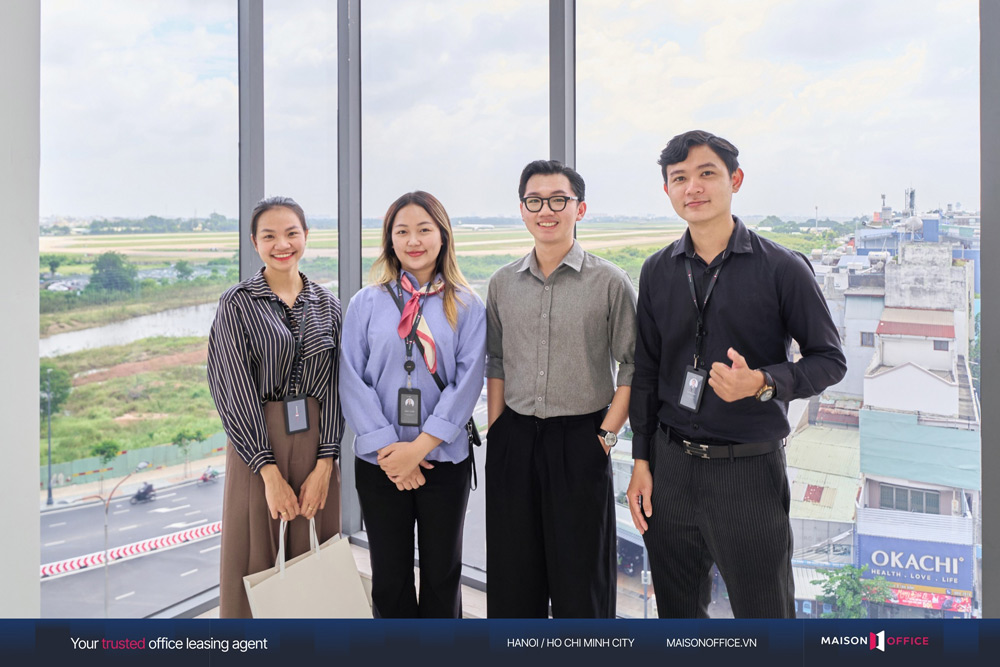
Location selection is a balance between operating cost and access to people, clients, infrastructure, and business support services.
3.1 Select a Location Based on Strategic Purpose
- Headquarters:Grade A buildings in the CBD, such as District 1 in Ho Chi Minh City or Hoan Kiem in Hanoi, reinforce credibility and long-term commitment.
- Representative or sales office:high-access commercial districts with dense business activity support frequent client meetings.
- Technical or back office:Secondary CBD locations such as District 7, Thu Duc City, or Cau Giay can reduce rent by 20-30% while offering larger floor plates.

3.2 Evaluate Infrastructure Connectivity
- International airport access should ideally remain within about 45 minutes for executives and overseas specialists who travel frequently.
- Metro and public-transport access can reduce congestion risk and improve commuting, including buildings near Metro Line 1 in Ho Chi Minh City and urban rail lines in Hanoi.
- Manufacturing-sector offices should connect efficiently to industrial zones in Binh Duong, Dong Nai, Bac Ninh, or Hai Phong.
3.3 Review the Surrounding Business Ecosystem
- International banks, notary offices, and legal advisors support finance, contracts, and compliance.
- Hotels, serviced apartments, and international restaurants support visiting executives and expatriate staff.
- Clusters of companies from the same country or sector facilitate partnerships, information sharing, and cultural integration.
4. Choosing an Office Model for an FDI Company
4.1 Traditional Offices and Long-Term Control
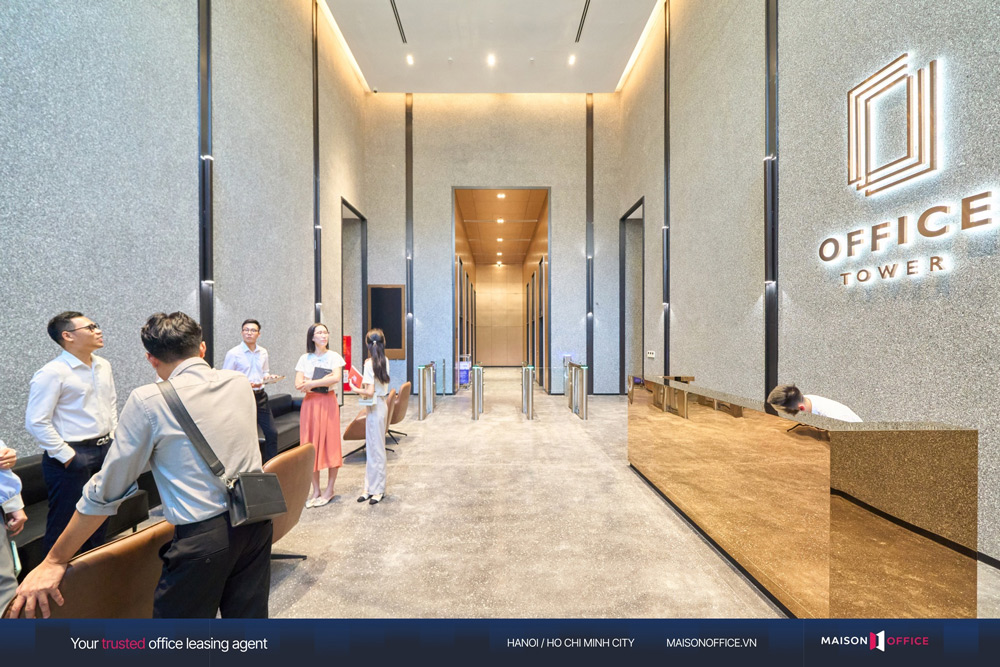
A traditional office suits an established FDI company with stable headcount and a clear long-term commitment. It offers full control over design, branding, layout, and operating standards, but requires a longer lease and significant upfront fit-out investment. The tenant should model the lease term, fit-out, service charges, and future space changes across the entire contract lifecycle.
4.2 Serviced Offices for New Market Entrants
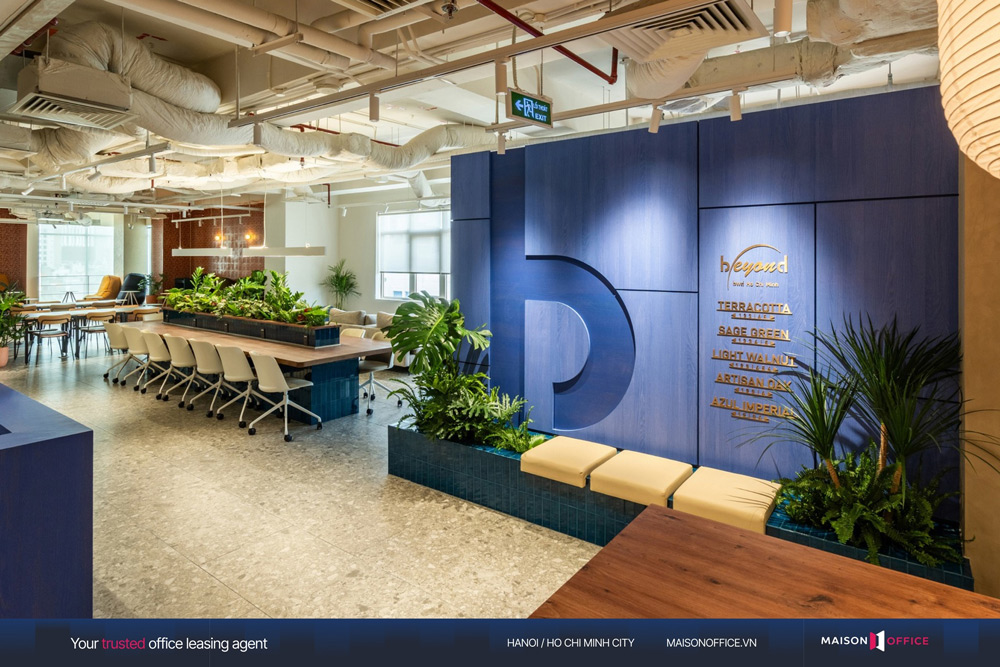
A serviced office provides ready-to-use space, reception, office management, technology infrastructure, and shared amenities. It is suitable for small teams, market-testing periods, and tenants that need a fast setup. The cost per sqm or per person can be higher over time, and customization is limited, so it is often best used as a short- or medium-term solution.
Related guide: Serviced Office vs. Traditional Office
4.3 Flexible, Multi-Format Leasing
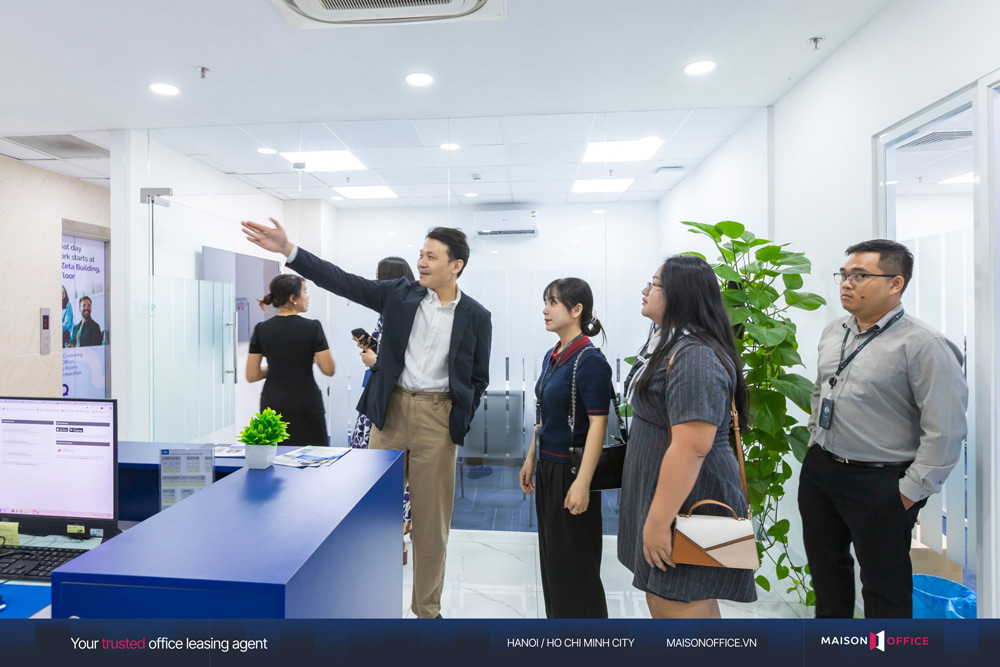
Some FDI companies combine a traditional headquarters with flexible workspaces for project teams, hybrid staff, or temporary growth. This preserves brand presence and operational stability while reducing the risk of committing to excessive space.
Related guide: Types of Office Space for Lease
5. Important Administrative Considerations for FDI Companies
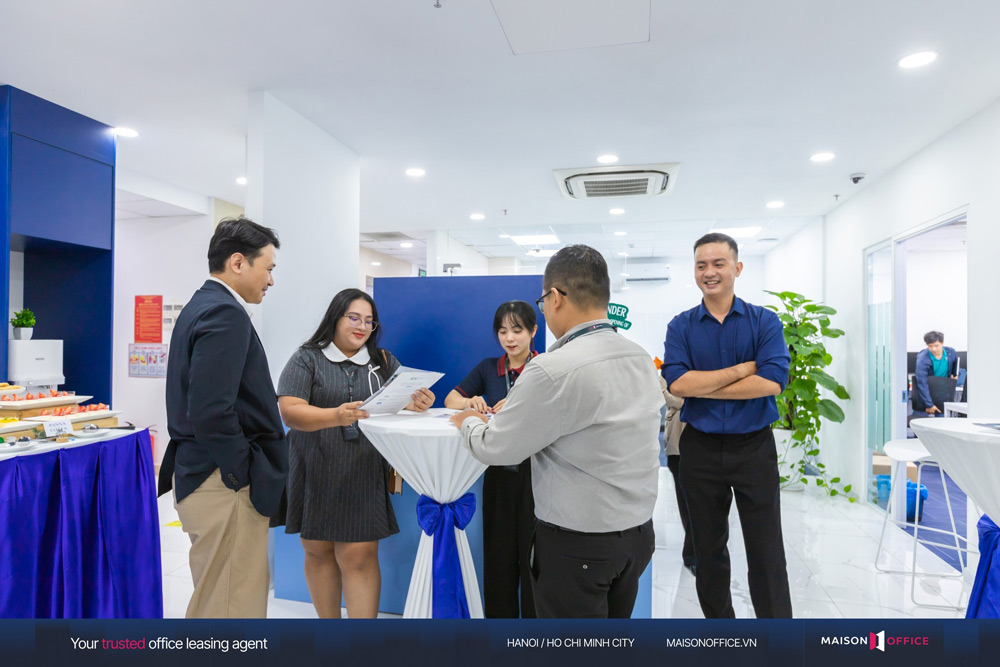
In Vietnam, the registered office address is closely connected to obtaining an Investment Registration Certificate (IRC) and Enterprise Registration Certificate (ERC).
5.1 Legal Conditions for the Building and Lease
- Approved use:the property must be authorized for office leasing. Apartments or residential properties without a commercial function should not be used as a registered headquarters.
- Fire safety:request the latest fire-prevention and firefighting acceptance documentation for the building and leased area.
- Right to lease or sublease:if the lessor is not the owner, obtain documentary evidence that the owner permits subleasing.
5.2 Common Administrative Risks
- An incomplete ward name, incorrect floor number, or address that differs from completion records may cause an IRC or ERC application to be returned.
- A property that cannot issue a valid VAT invoice may create tax-deduction and compliance problems.
- A foreign investor without a Vietnamese legal entity may be unable to sign the final lease or pay a deposit directly. A memorandum of understanding may therefore be signed by an authorized individual or the overseas parent, with rights and obligations transferred to the new Vietnamese entity after incorporation.
A successful FDI leasing strategy aligns the market, location, office model, legal requirements, and administrative timeline with the investor’s long-term objectives. Maison Office supports market surveys, building due diligence, model comparisons, negotiation, and long-term cost optimization for FDI tenants in Ho Chi Minh City and Hanoi.
6. Frequently Asked Questions
6.1 When should an FDI company lease an office?
The location should be identified after or alongside the investment-license process so it can support headquarters registration, operational setup, and work with partners and regulators.
6.2 Should an FDI company lease in Ho Chi Minh City or Hanoi?
Ho Chi Minh City generally suits international trade, technology, and services. Hanoi is often preferable for businesses that regularly work with regulators, state organizations, or consulting and financial partners.
6.3 Is a Grade A office mandatory?
No. The appropriate grade depends on the office’s role, legal requirements, budget, and operating strategy.
6.4 What costs apply besides base rent?
Service charges, fit-out, overtime operations, space adjustments, and deposits should all be included in the budget.
6.5 Should an FDI company use an office leasing advisor?
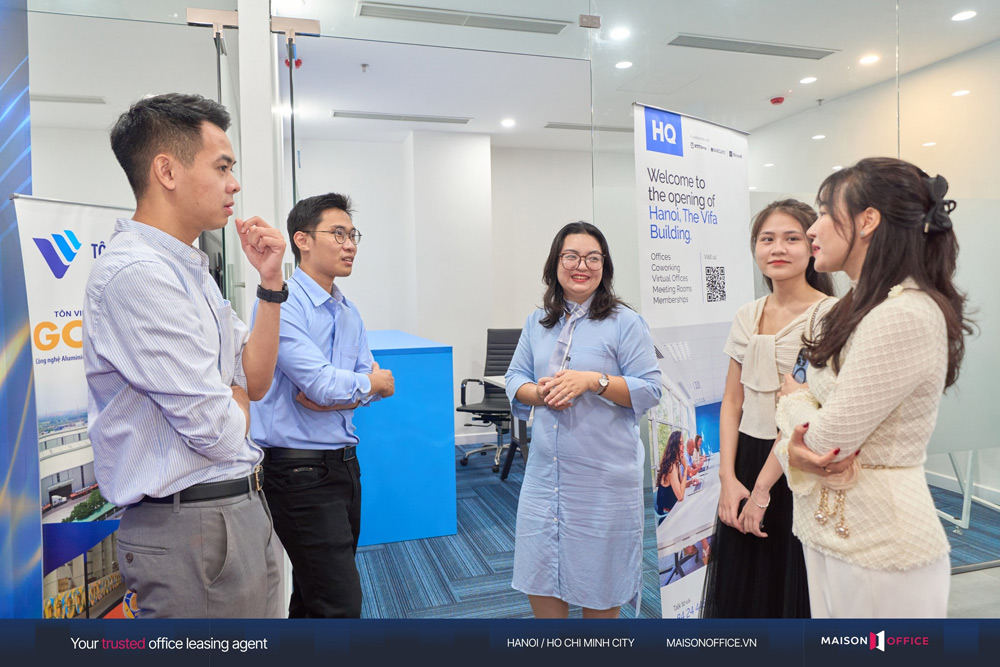
A professional advisor can reduce search time and legal risk, broaden suitable supply, and improve lease negotiations.
Editor and content team manager at Maison Office.
With over 5 years of experience in consulting and extensive content editing in the real estate services and interior design field. Sharing valuable information with customers, partners, and attracting millions of views.


