

 Việt Nam
 English
 中文
中文

What is Grade A Office Space? Building Classification Types

 14 min read
1.2K
14 min read
1.2K

Grade A offices are high-quality office spaces typically distinguished by their location, building quality, floor plate design, technical systems, property management, and amenities. Compared with Grade B and Grade C offices, Grade A buildings generally meet higher standards for building specifications and services. However, businesses should assess each building based on their operational requirements, space needs, and actual budget before making a leasing decision.
 |
 |
Table of Contents
- 1. Grade A Office Space?
- 2. How do Grade A, B, and C offices differ?
- 3. Criteria for grading Grade A-B-C buildings according to international standards
- 4. Should businesses lease Grade A, B, or C office space?
- 5. List of outstanding Grade A offices
- 6. List of typical Grade B offices
- 7. What to check before leasing a Grade A office
- 8. Frequently asked questions about Grade A offices
1. Grade A Office Space?
A Grade A office is a high-quality office category in the commercial real estate market, typically assessed based on multiple factors, including location, building quality, floor plate efficiency, technical systems, property management, and amenities.
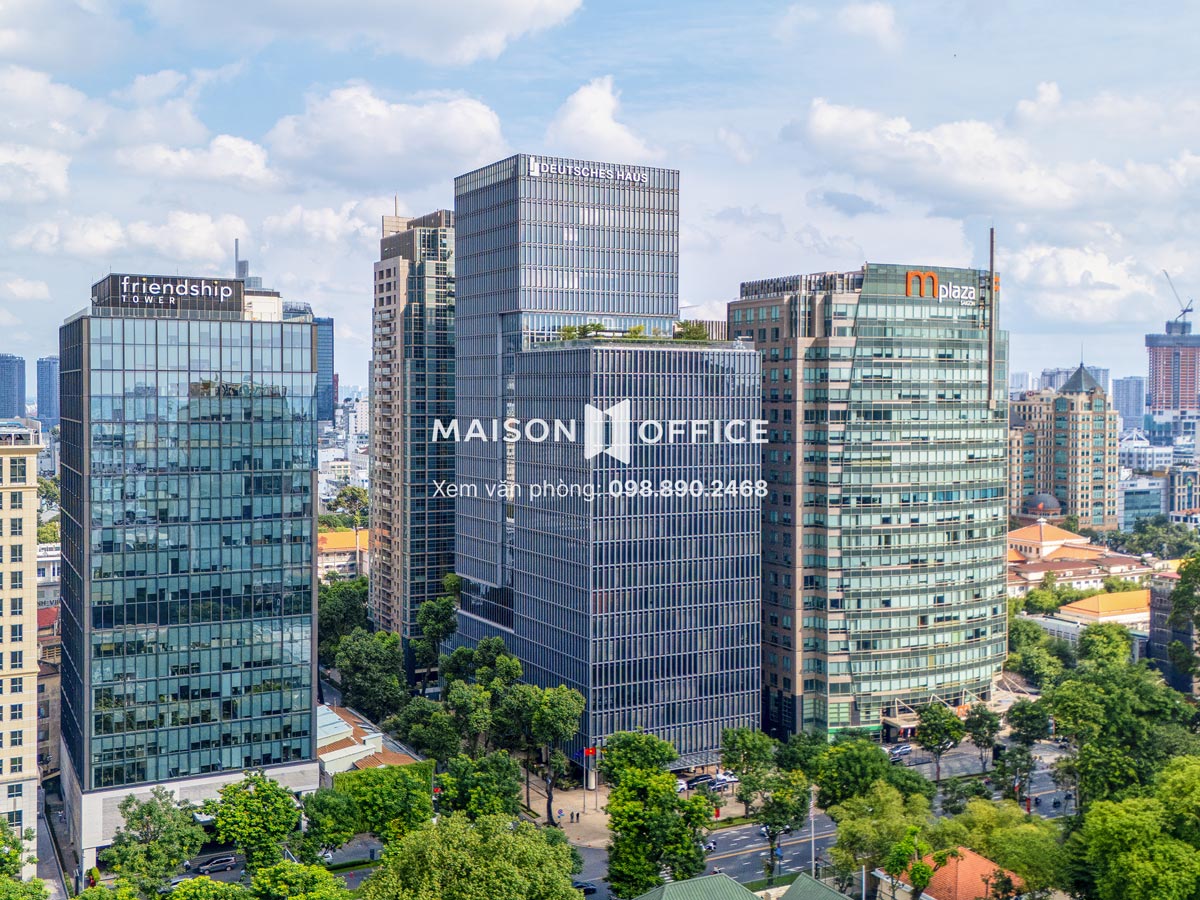
Grade A offices are often preferred by businesses with higher requirements for the working environment, operational standards, employee and client experience, and corporate image. However, company size alone does not determine whether a Grade A office is the right choice.
In Vietnam, the classification of offices into Grade A, Grade B, and Grade C is primarily used to compare building quality within the office market, rather than as a mandatory certification applied uniformly to every development. Therefore, the “Grade A” designation should be treated as an initial screening reference before businesses assess the specific criteria and specifications of each building.
2. How do Grade A, B, and C offices differ?
The main differences between Grade A, Grade B, and Grade C offices lie in overall building quality, operational standards, location, and rental costs. A higher office grade generally comes with better building specifications and services, although it may not be the most suitable option for every business.
2.1 Characteristics of Grade A offices
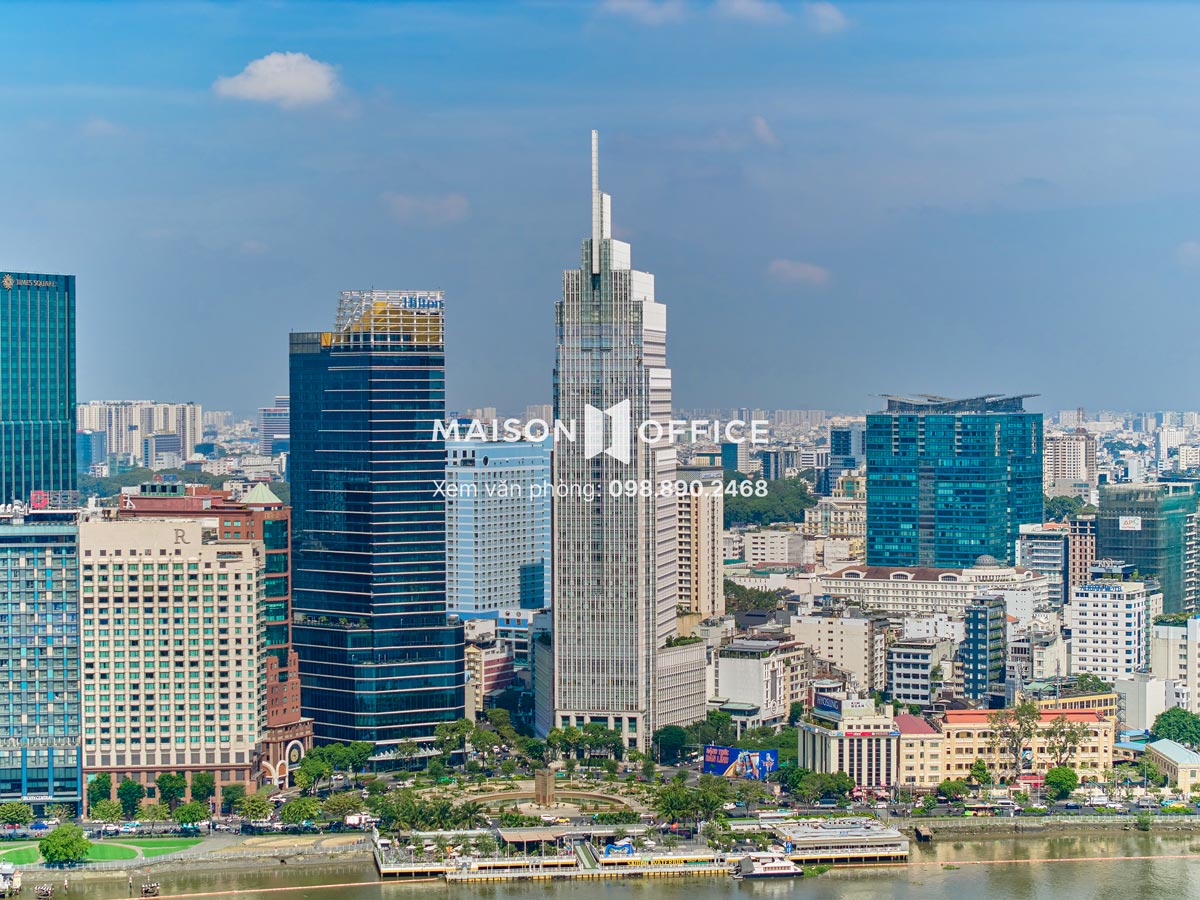
Grade A offices are typically located in prime CBD locations or well-connected commercial and office districts. These buildings generally offer high standards across floor plate design, technical systems, common areas, amenities, and property management.
2.2 Characteristics of Grade B offices
Grade B offices generally offer good building quality and operational standards, with convenient locations that are not necessarily within the core CBD. This segment is suitable for businesses seeking a balance between workplace quality, office space, and rental budget.
2.3 Characteristics of Grade C offices
Grade C offices primarily meet basic requirements for workspace and day-to-day operations. Rental rates are generally lower than those of Grade A and Grade B offices in the same area, making this segment suitable for businesses focused on cost control or those with less demanding requirements for building systems and amenities.
2.4 Quick comparison of Grade A, B, and C offices
| Criteria | Grade A offices | Grade B offices | Grade C offices |
| Location | Prime locations with high accessibility | Good locations with convenient connectivity | May be farther from key business districts |
| Building quality | High-standard finishes | Good | Basic |
| Floor plate | Efficient and suitable for office planning | Meets most business requirements | Varies in size and layout |
| Technical systems | Integrated systems with high specifications | Well suited to standard operational needs | Primarily supports basic functions |
| Elevators | Designed to suit the building’s scale | Adequate for regular use | Typically smaller-scale elevator systems |
| Property management | Professional management standards | Good to very good | Basic |
| Amenities | Varies by project, generally with a broader range | Covers essential business needs | More limited |
| Rental rates | Typically in the higher price range | Mid-range | Typically lower |
| Suitable for | Businesses requiring higher building standards | Businesses balancing cost and quality | Budget-conscious businesses |
The comparison above provides a quick overview of the differences between the three office grades. When assessing a specific building, businesses should consider multiple criteria together rather than determining its grade based on a single feature.
3. Criteria for grading Grade A-B-C buildings according to international standards
Each country has its own system of grading Grade A, B, C for different office rental markets, and it is not entirely mandatory. These standards depend on the conditions of the local market, without general imposition, varying according to each country.
For example, in Hong Kong, parking standards are indispensable, but in the UK market, this is not an important factor. Australia’s market places high importance on environmental factors, but many countries do not emphasize this issue. Meanwhile, Japan is particularly concerned with superior safety indices in the Asian region.
Below, we would like to present to you the set of criteria for grading buildings researched and published by the “Moscow Research Forum”, including CBRE – Noble Gibbons – Colliers International – Cushman & Wakefield – Jones Lang LaSalle. Office buildings that do not meet Grade B standards will be considered Grade C buildings.
| CRITERIA | Grade A | Grade B | Grade B- | |
| 1 | SYSTEMS ENGINEERING | |||
| 1.1 | BMS – Building management system | Obligatory | Option | Do not apply |
| 1.2 | Ventilation air conditioning system 2-way hot and cold ventilation air conditioning system, controlling humidity in each area |
Obligatory | Obligatory | Option |
| 1.3 | Capacity of the air conditioning and ventilation system Cooling for server room 24/24. Temperature in office area 22–23 °C, ±1 °C. Fresh air 60 m³/hour/10 m² office. |
Obligatory | Should have | Do not apply |
| 1.4 | Modern fire protection system | Obligatory | Obligatory | Obligatory |
| 1.5 | Elevator High-speed and high-quality elevators from famous international brands |
Obligatory | Obligatory | Obligatory |
| 1.6 | Ladder waiting time is about 30 seconds | Option | Do not apply | Do not apply |
| 1.7 | Power source Two independent power sources, automatic power transfer, or equipped with a backup generator system (minimum capacity 70 VA for 1 m²), UPS for emergency technical systems. |
Obligatory | Option | Option |
| 1.8 | Security monitoring system Security monitoring and access management system (CCTV) at all entry points, parking spaces, card usage, and security staff on duty 24/7. |
Obligatory | Obligatory | Obligatory |
| 2 | BUILDING STRUCTURE | |||
| 2.1 | Clear ceiling height is from 2.7 m – 2.8 m or more | Obligatory | Option | Option |
| 2.2 | Ground Grade A standard: Open space, no hard partitions, efficient use, column grid larger than 6 x 6 m. |
Obligatory | Obligatory | Option |
| 2.3 | Office depth The distance (floor depth) from one window to the other is ≤ 18–20 m; or ≤ 9–10 m from the core to the outside window; or ≤ 12 m from the outside window to the center if the floor has an interior void. |
Option | Option | Option |
| 2.4 | The area coefficient is not useful The building’s non-useful area coefficient does not exceed 12%, calculated = 1 − (usable area / rental area) × 100%. |
Obligatory | Option | Option |
| 2.5 | The floor’s load-bearing capacity is 400 kg/m² or more | Obligatory | Option | Option |
| 2.6 | Level of completion of public areas and exteriors Grade A: High quality materials / Grade B, B-: High quality materials |
Obligatory | Obligatory | Obligatory |
| 2.7 | Raised floors | Obligatory | Do not apply | Do not apply |
| 2.8 | Natural lighting and windows High quality window system, providing enough natural light, reasonably arranged |
Option | Option | Option |
| 3 | LOCATION | |||
| 3.1 | Good location, not surrounded by buildings that negatively affect the building’s image (e.g. industrial facilities, funeral homes, prisons) | Obligatory | Option | Do not apply |
| 3.2 | Access to transport, convenient for car and public transport, e.g. 10–15 minutes walk from nearest metro station or bus route | Obligatory | Option | Option |
| 4 | PARKING | |||
| 4.1 | Grade A: Parking in the basement or high-rise garage, covered path into the building. Parking on the 1st floor for guests. Grade B, B-: Safe parking |
Obligatory | Obligatory | Obligatory |
| 4.2 | Parking space ratio: ≥ 1 car space per 100 m² of rental area (1/100) | Option | Option | Option |
| 5 | OWN | |||
| 5.1 | A single owner of the entire building (floors/blocks are not owned by multiple owners) | Obligatory | Option | Option |
| 5.2 | Transparent ownership structure | Option | Option | Option |
| 6 | BUILDING MANAGEMENT AND SERVICES | |||
| 6.1 | Grade A: Managed by a professional company managing ≥5 buildings (each ≥5,000 m²), or with international-grade experience. Grade B, B-: Building management is well organized. |
Obligatory | Obligatory | Obligatory |
| 6.2 | Telecommunications service provider Minimum of two telecommunications service providers in the building |
Obligatory | Obligatory | Option |
| 6.3 | Hall The spacious reception area matches the building’s scale, making it easy for guests to access |
Option | Option | Do not apply |
| 6.4 | Utilities A well-managed café to meet staff size and at least two additional amenities (ATM, laundry, store, etc.). Surrounding amenities considered. |
Obligatory | Obligatory | Obligatory |
4. Should businesses lease Grade A, B, or C office space?
Businesses should select an office grade based on their budget, preferred location, space requirements, operational needs, and the role the office plays in their corporate image. A higher office grade is not necessarily the better choice, as each business has its own set of priorities.
- Grade A offices: Suitable for businesses that prioritize location, building quality, operational systems, and corporate image. Typical occupiers include corporations, FDI companies, banks, financial institutions, technology companies, law firms, and consulting firms.
- Grade B offices: Suitable for businesses seeking a balance between building quality and rental budget, particularly those requiring relatively large office space while maintaining a professional working environment.
- Grade C offices: Suitable for businesses focused on cost control, requiring a functional office space, or having less demanding requirements for building amenities and operational standards.
Headcount alone does not determine which office grade a business should choose. A company with 30–50 employees may still opt for a Grade A office if it regularly receives clients or places a high priority on its corporate image. Conversely, a company with hundreds of employees may choose a Grade B office to secure more space within the same budget.
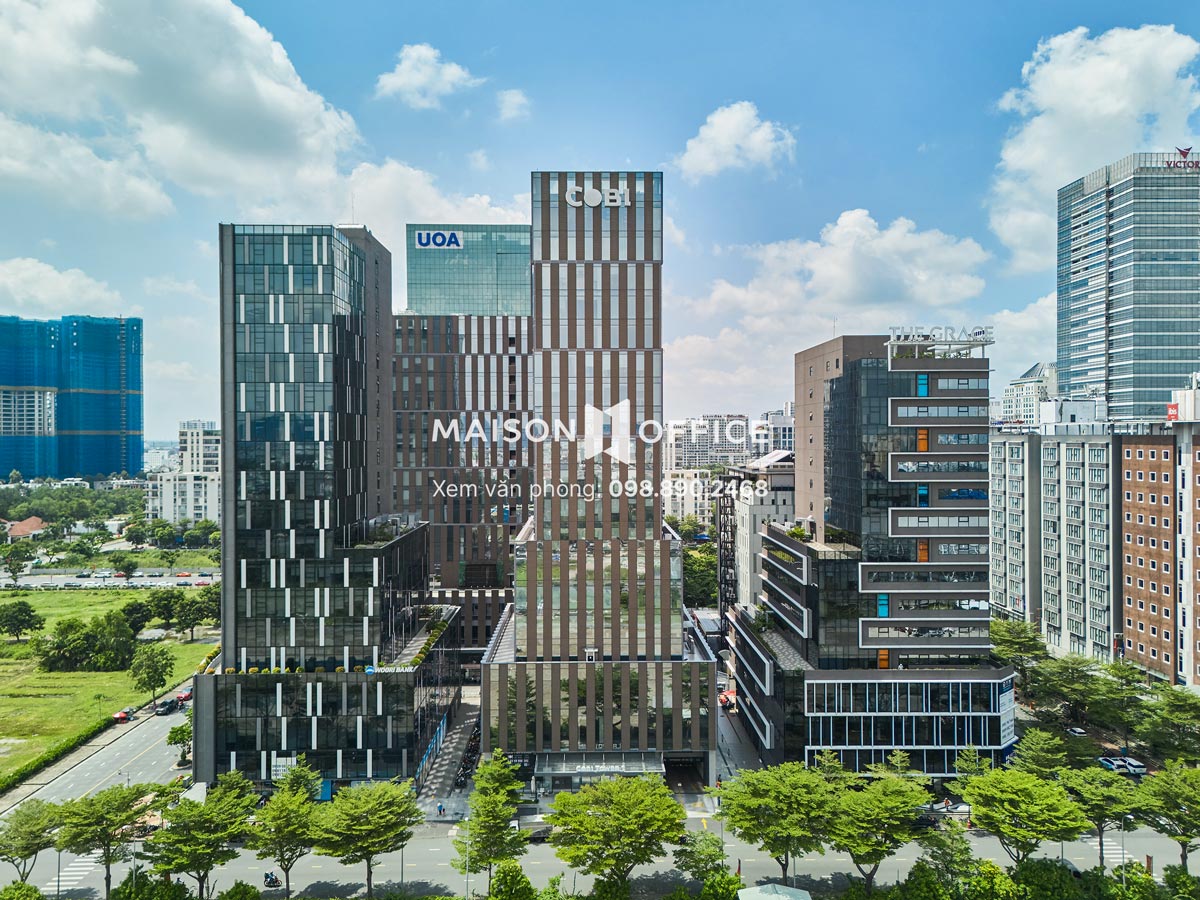
5. List of outstanding Grade A offices
5.1 Grade A offices in Ho Chi Minh City
| Image | Building |
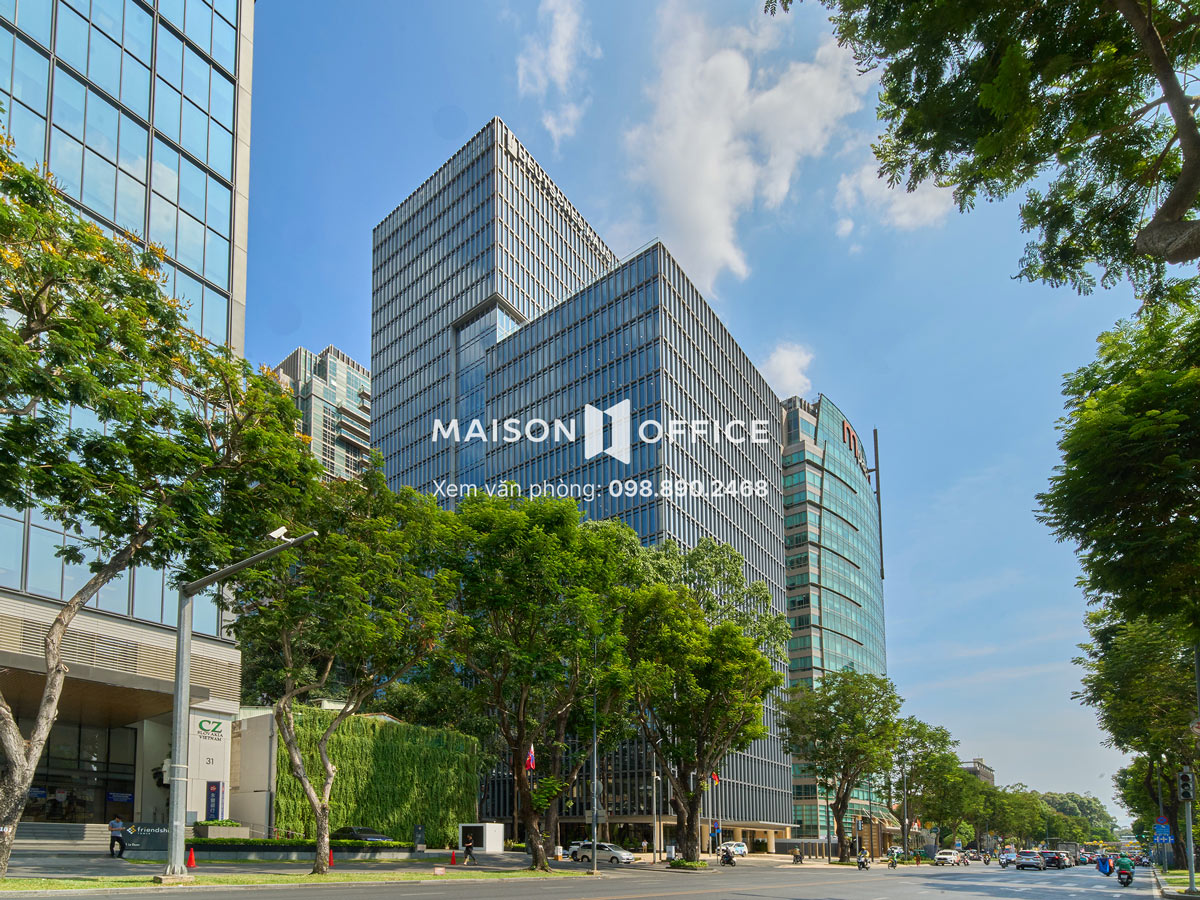 |
01. Deutsches Haus
|
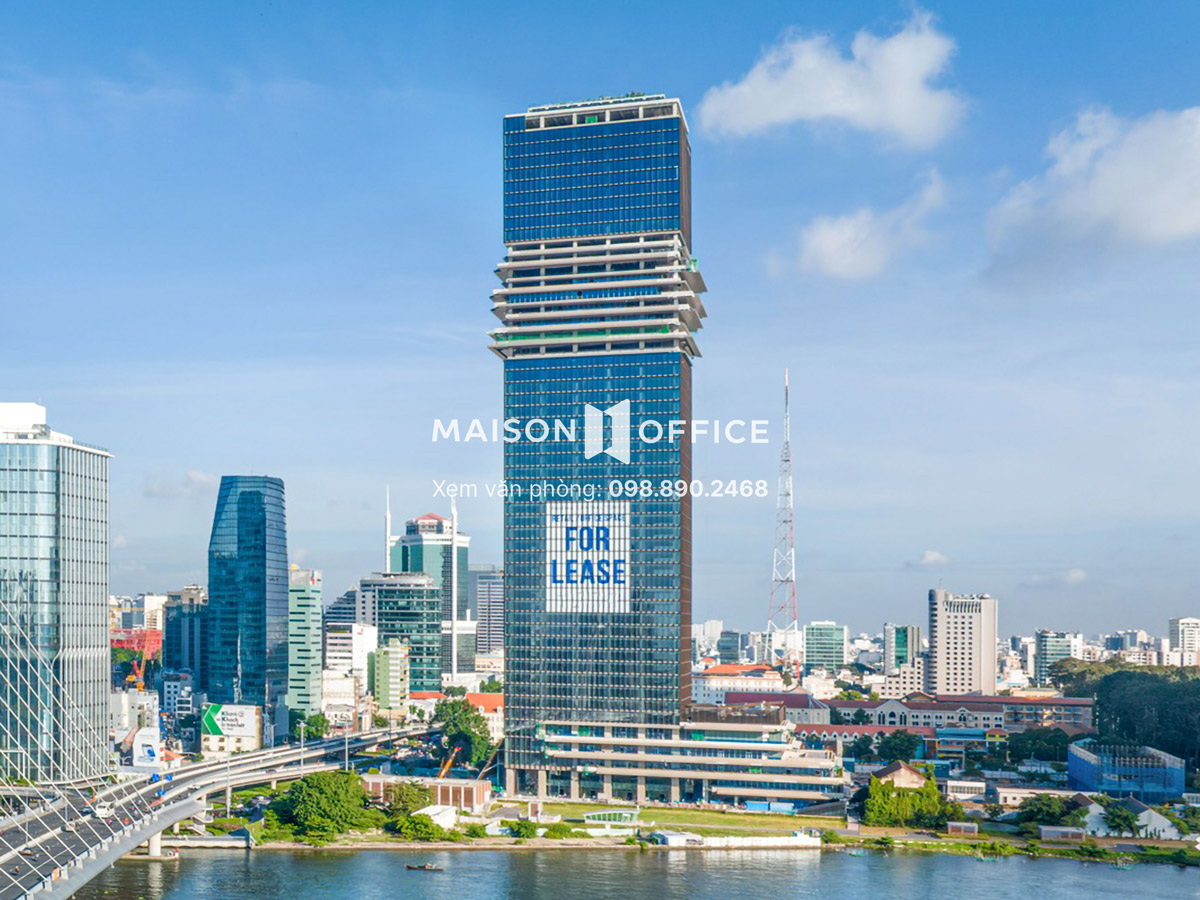 |
02. Saigon Marina IFC
|
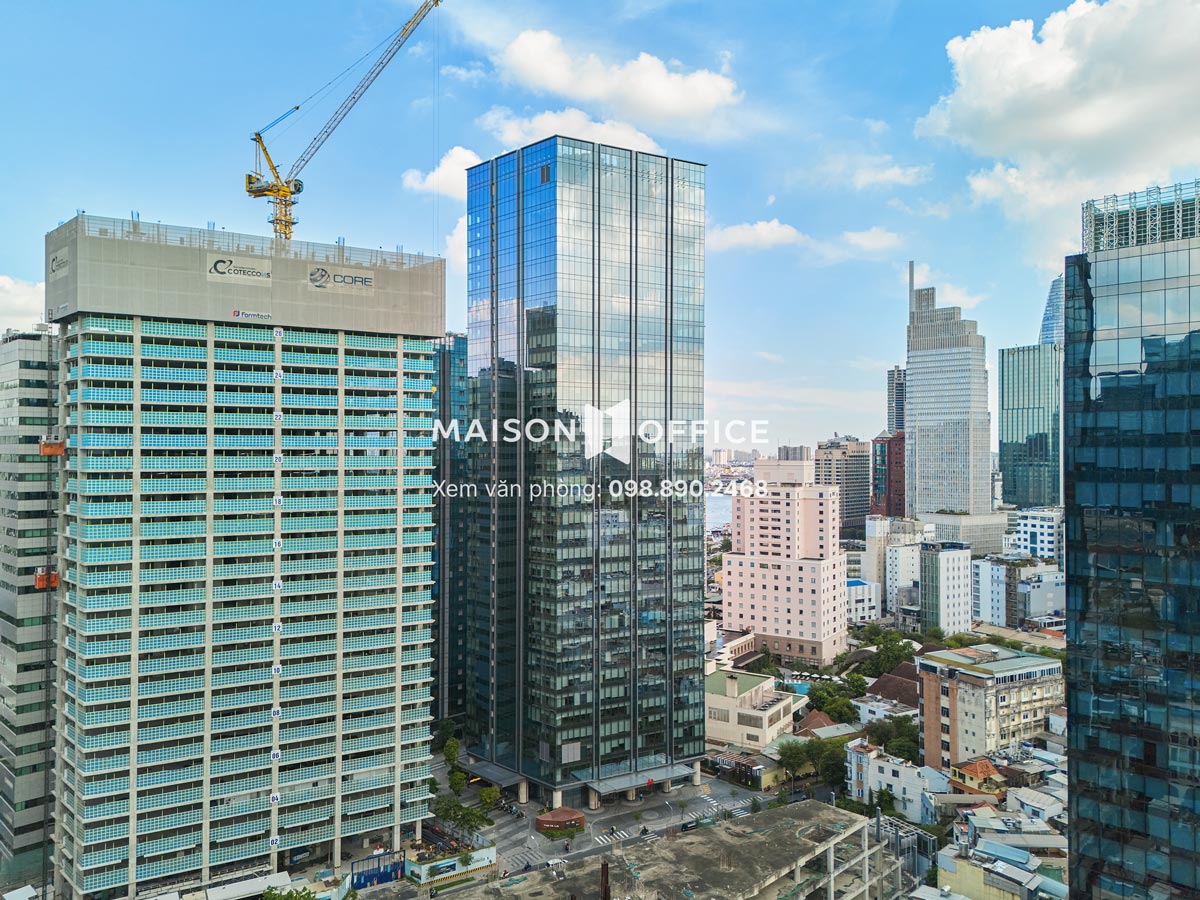 |
03. The Nexus
|
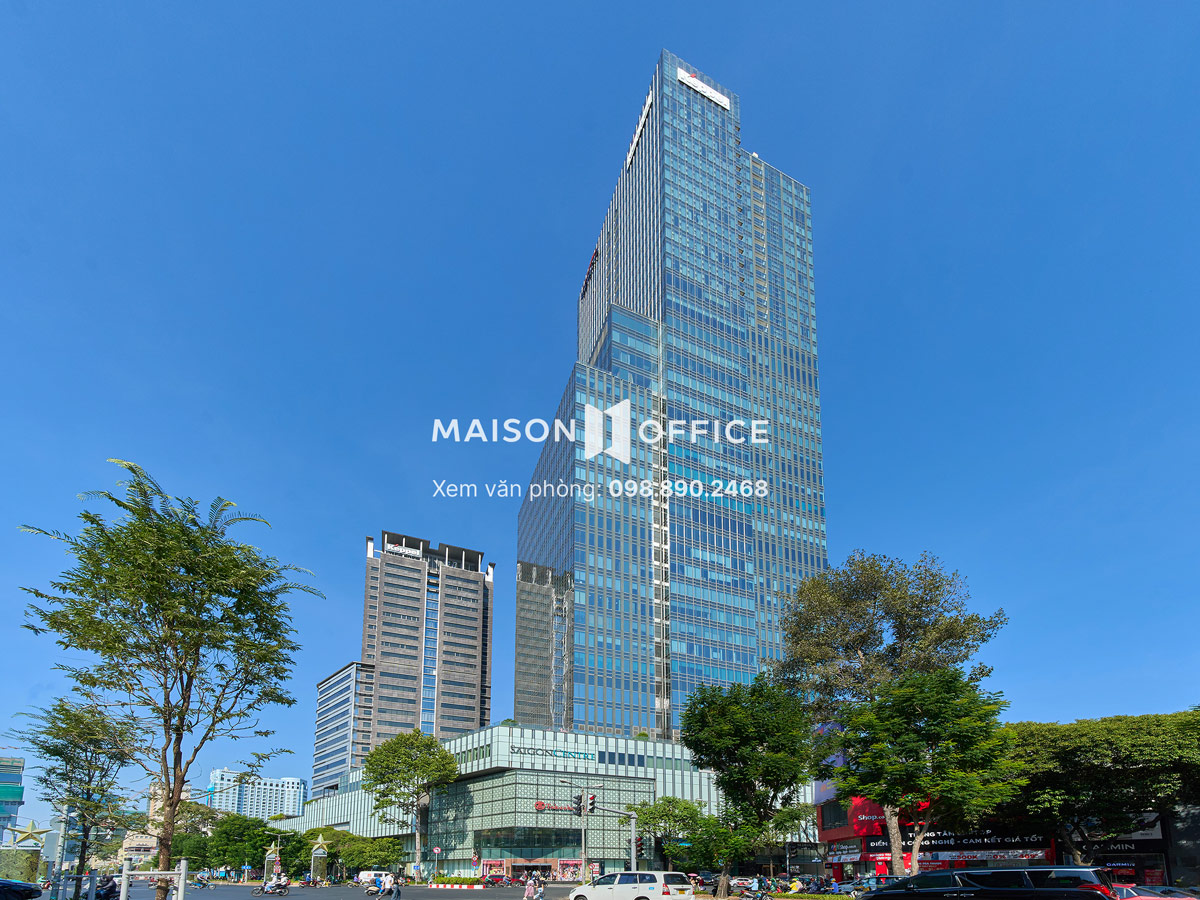 |
04. Saigon Centre Tower 2
|
 |
05. Saigon Times Square
|
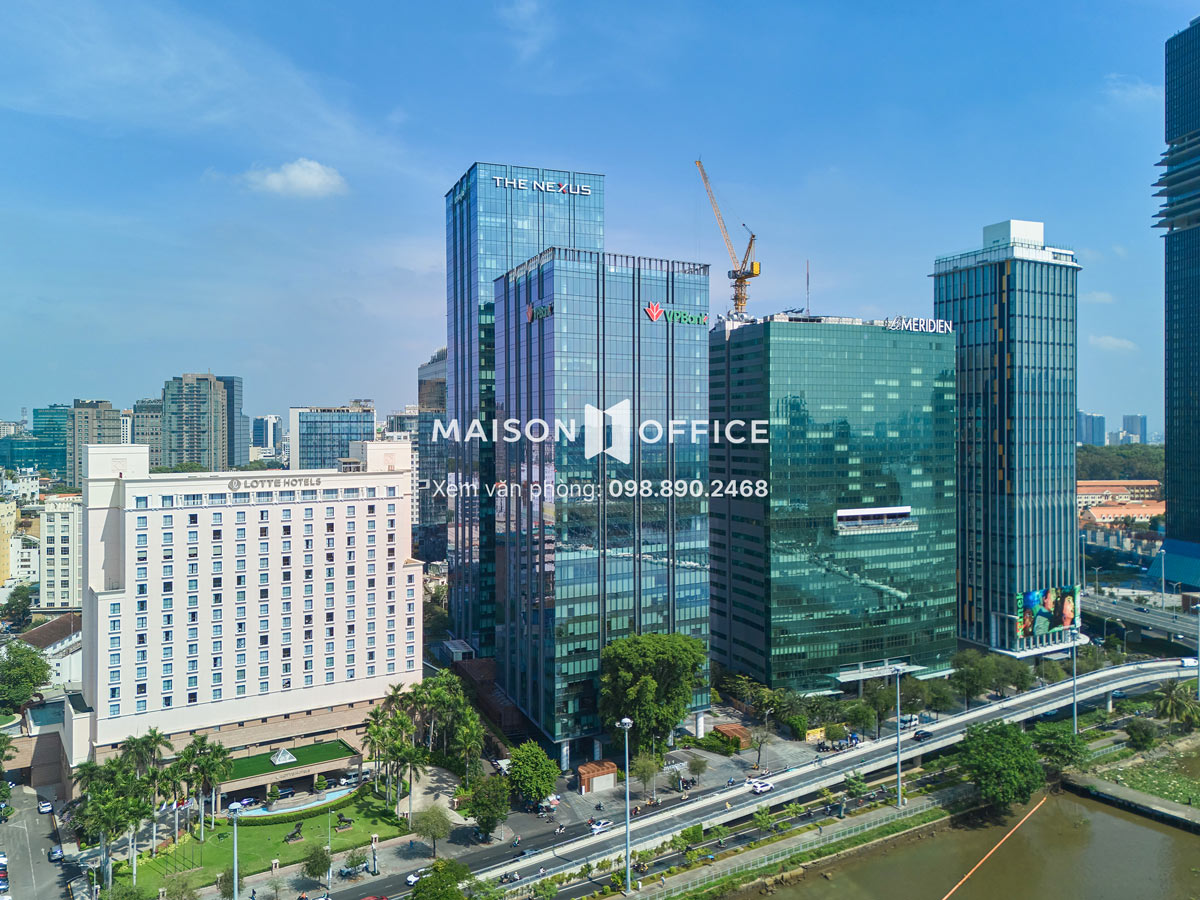 |
06. Riverfront Financial Centre
|
 |
07. Vietcombank Tower
|
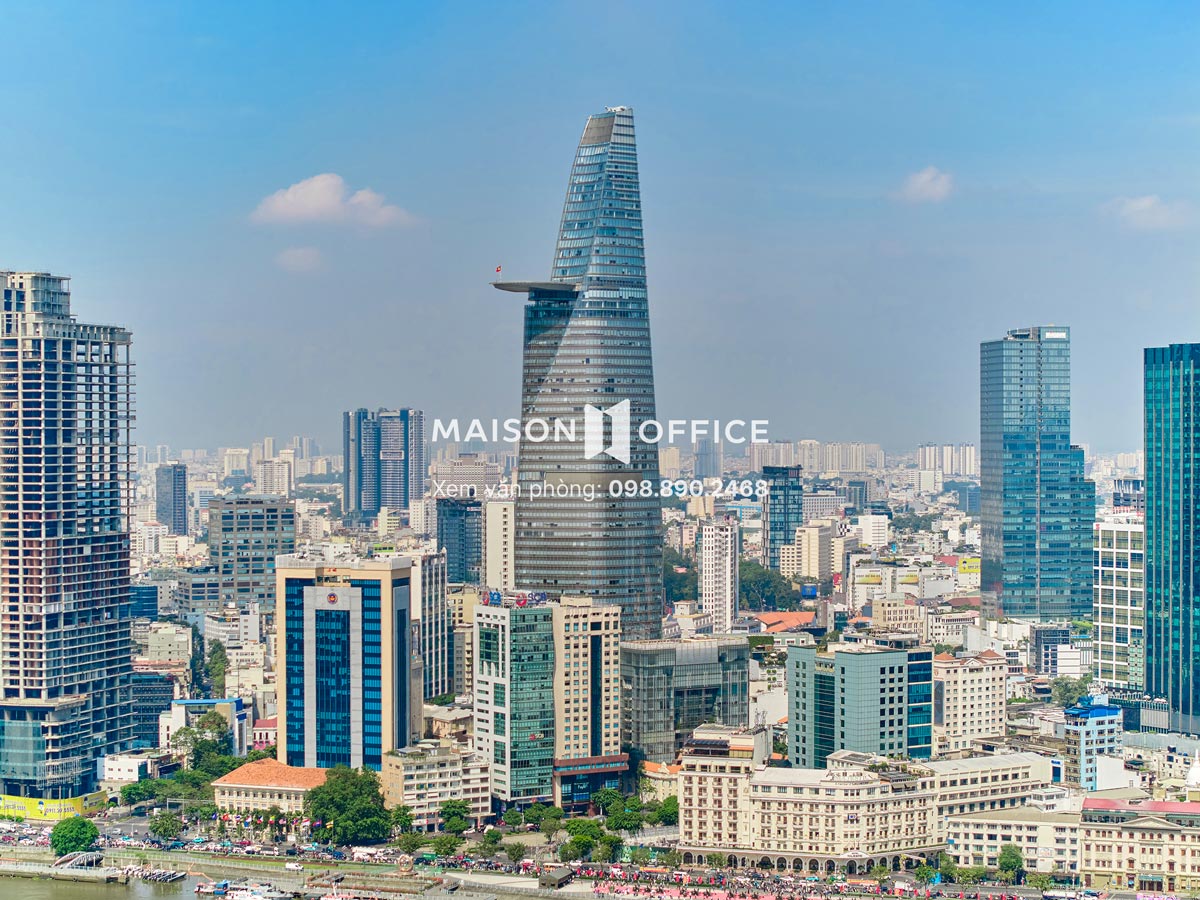 |
08. Bitexco Financial Tower
|
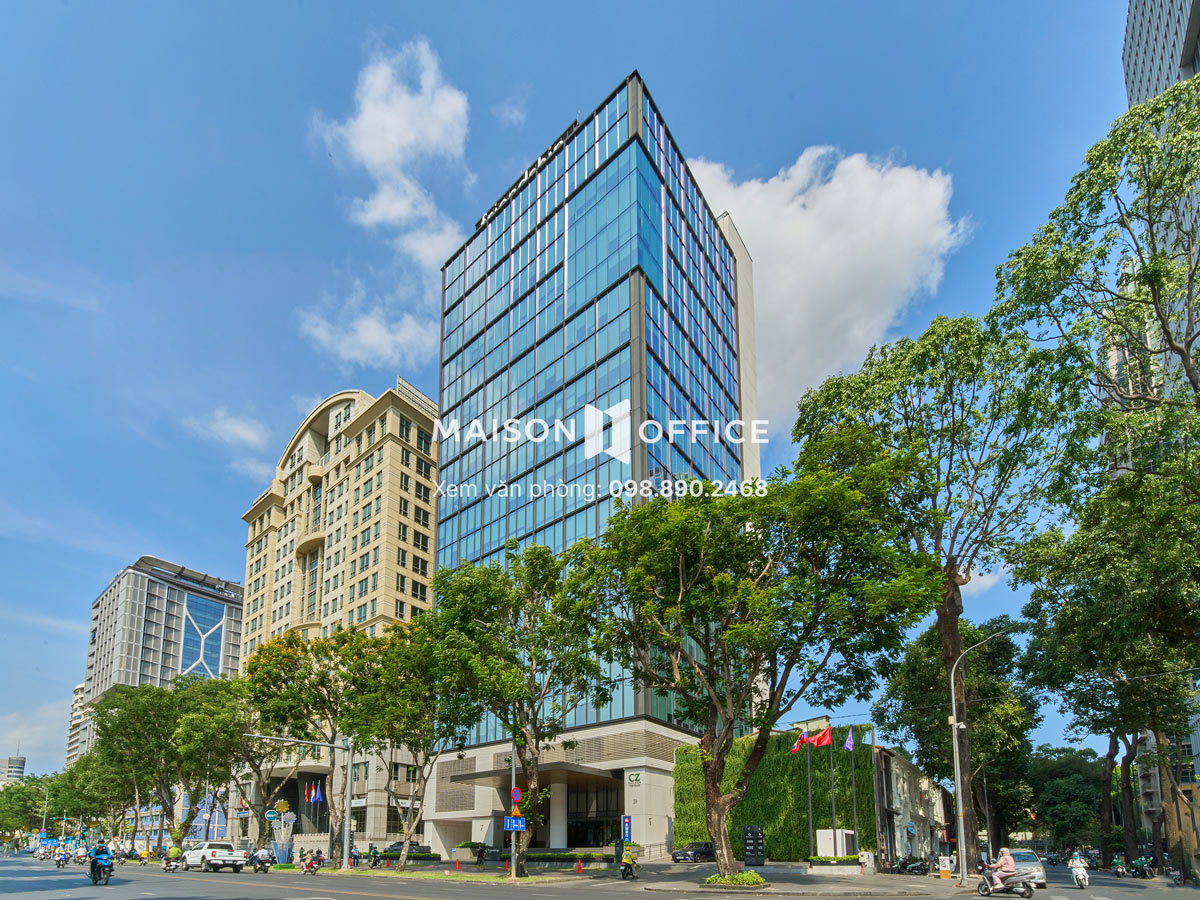 |
09. Friendship Tower
|
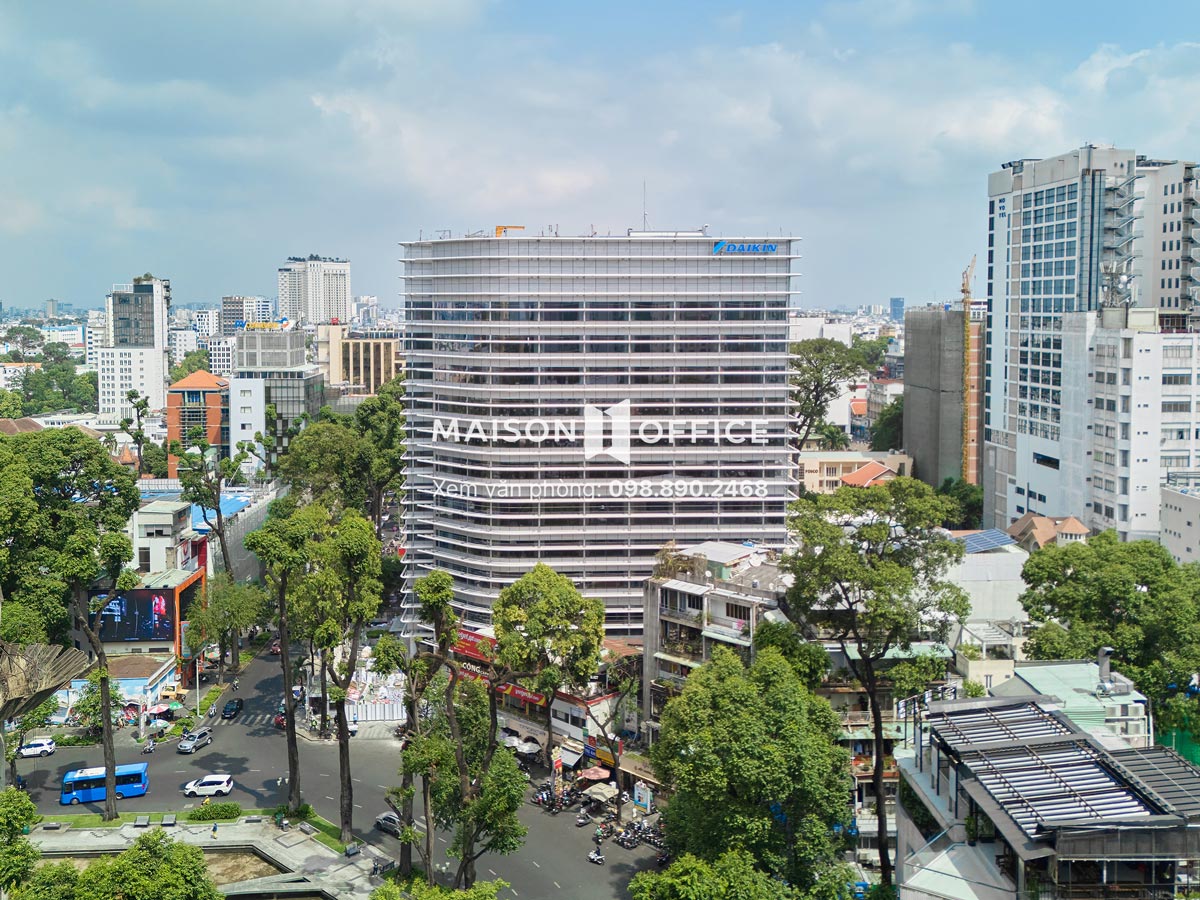 |
10. Daikin Tower
|
>> Grade A Office Buildings in HCMC
5.2 List of Grade A offices in Hanoi
| Image | Building |
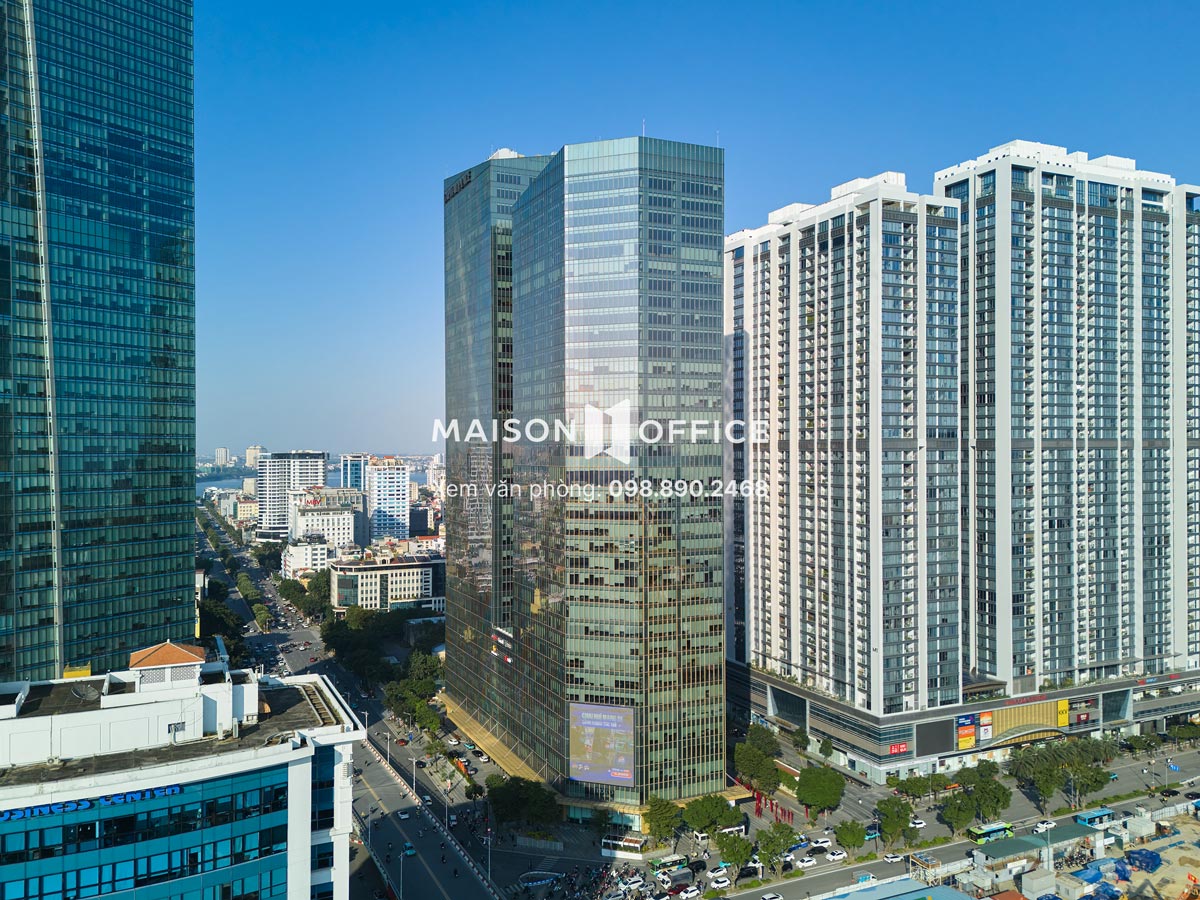 |
01. Capital Place
|
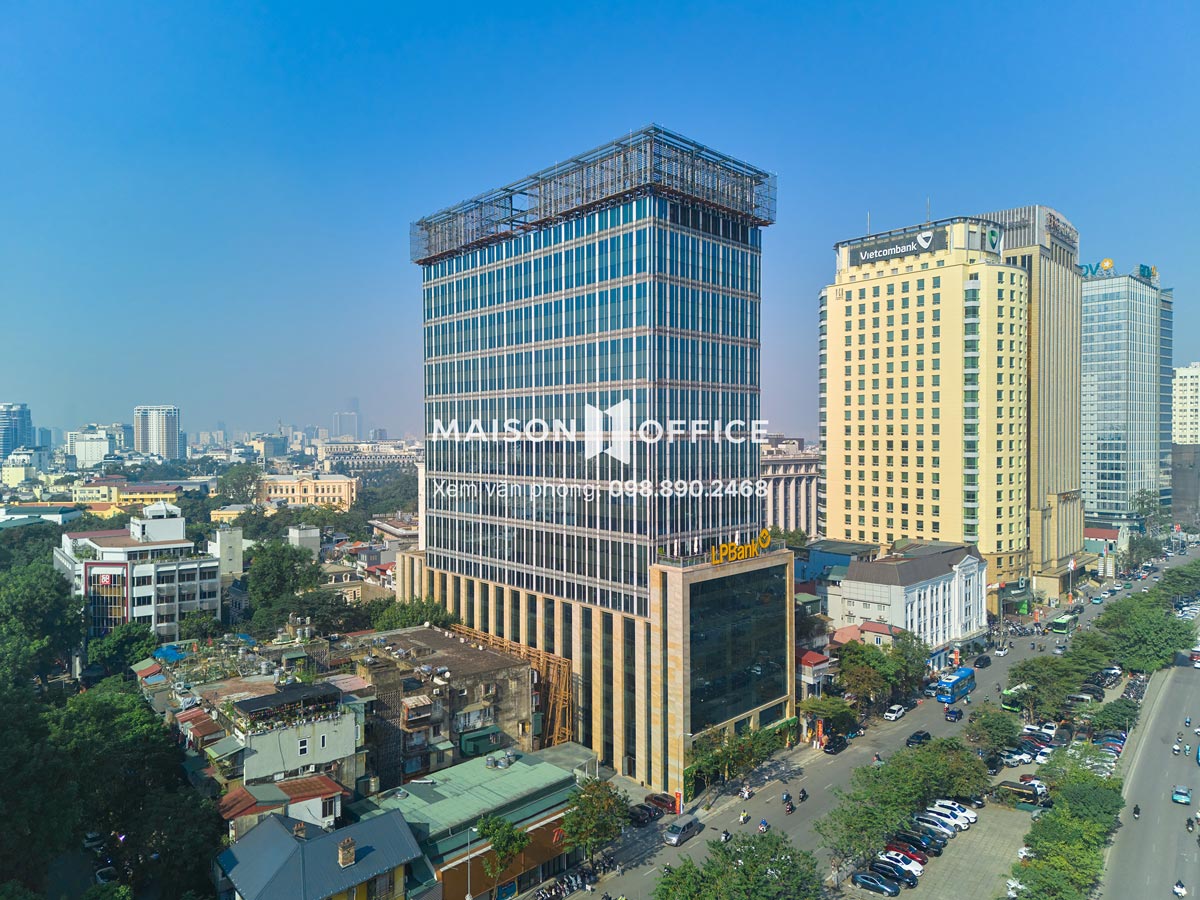 |
02. LPB Tower
|
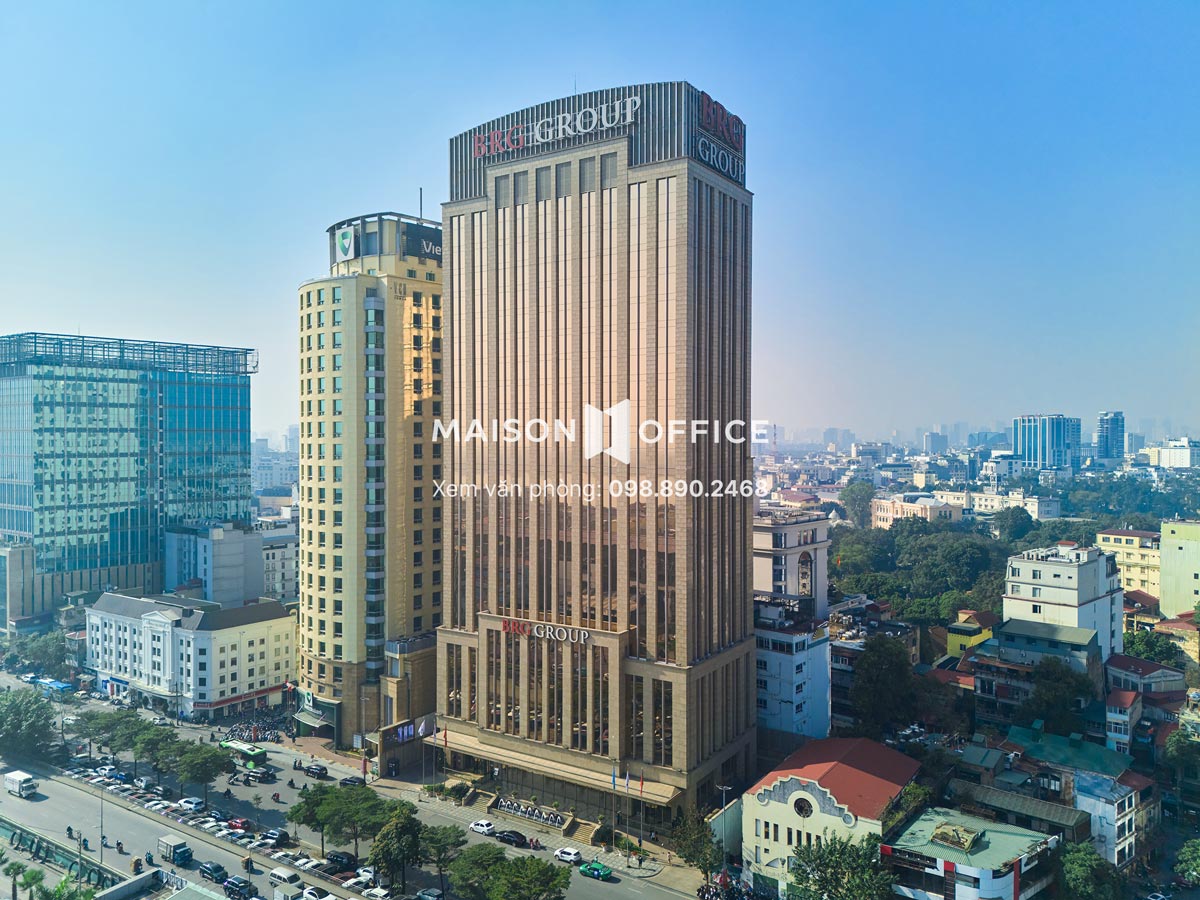 |
03. BRG Tower
|
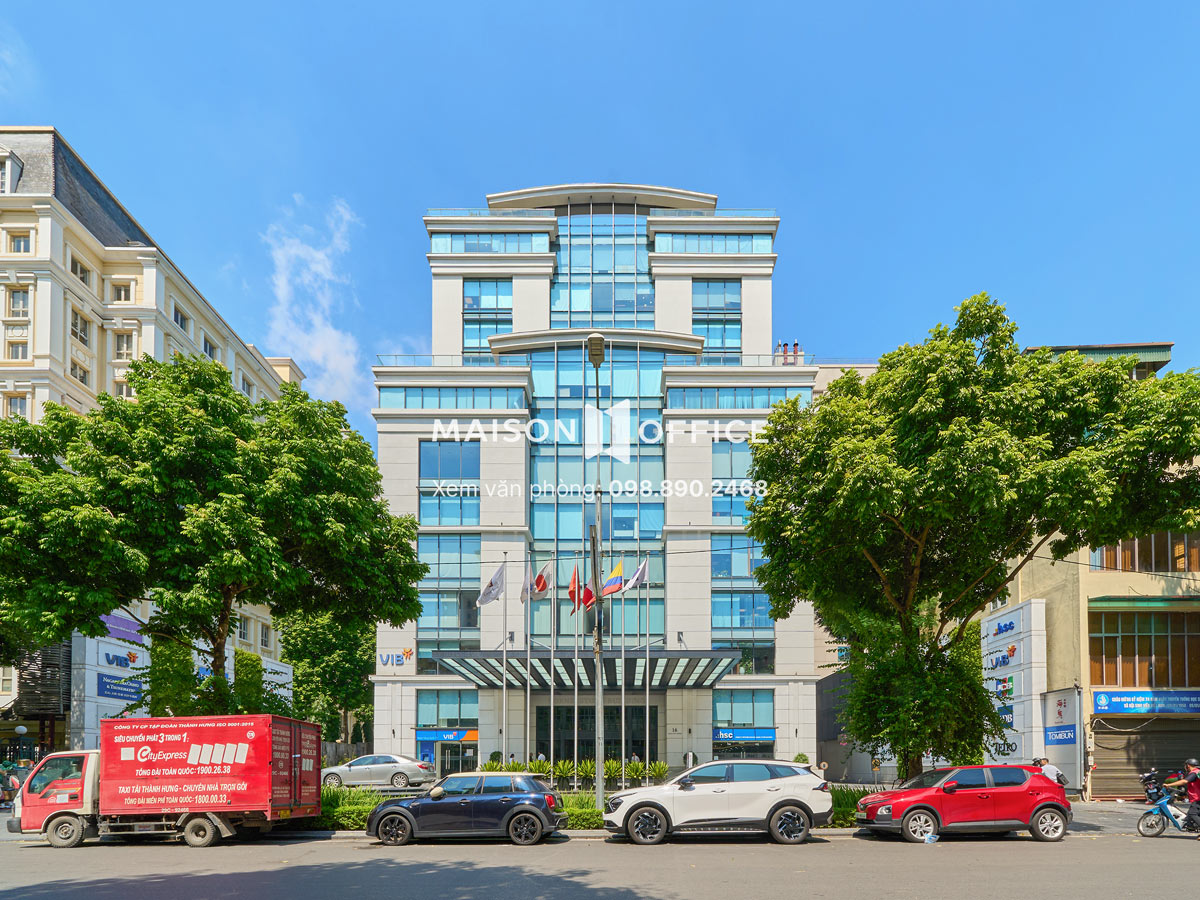 |
04. Cornerstone Building
|
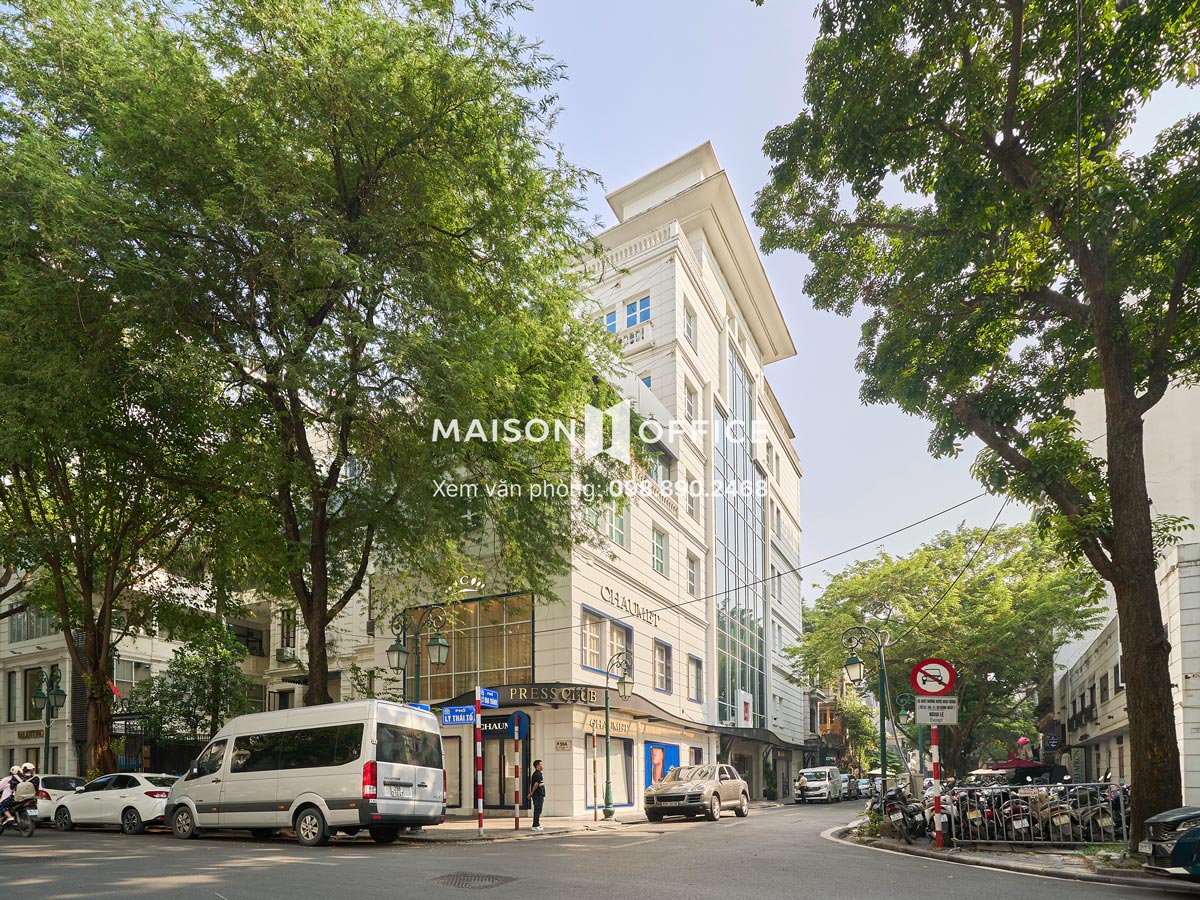 |
05. Press Club
|
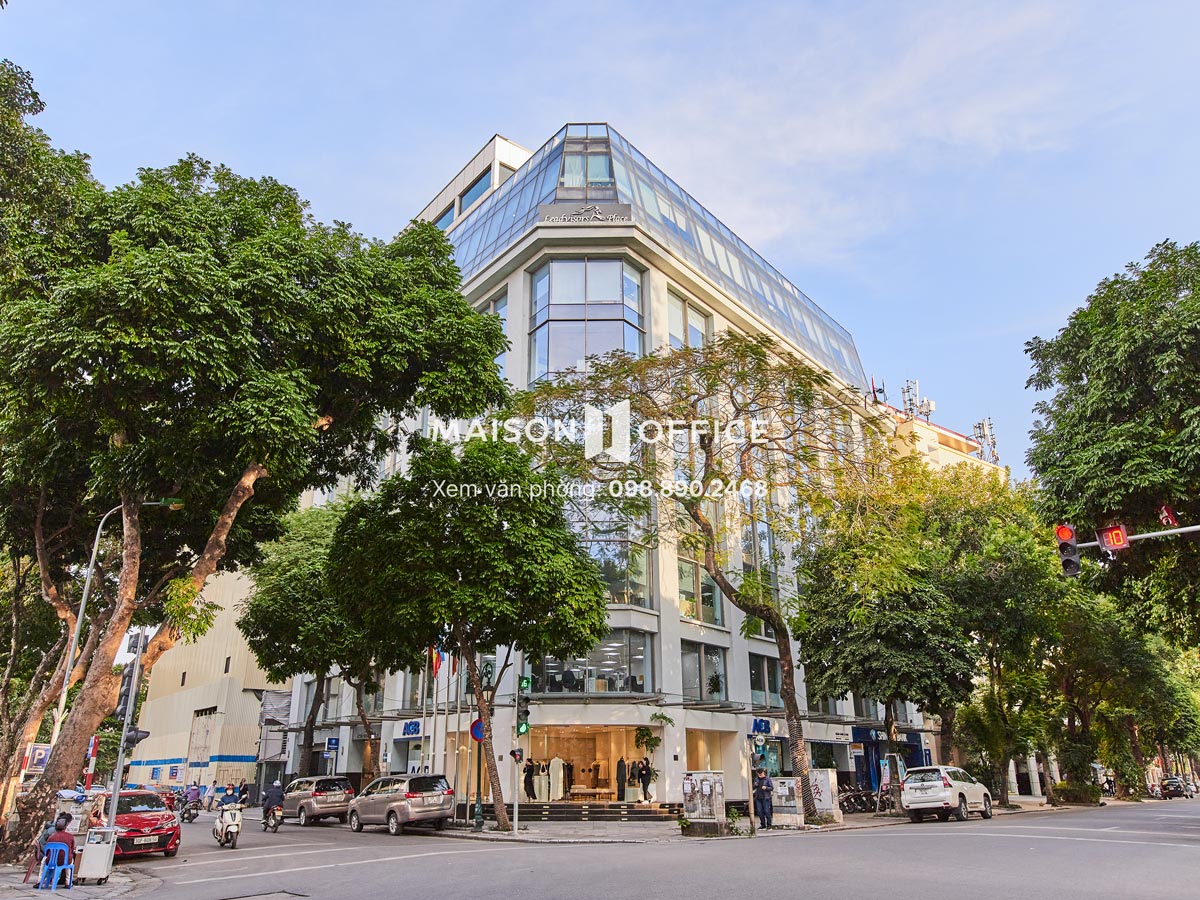 |
06. Leadvisors Place
|
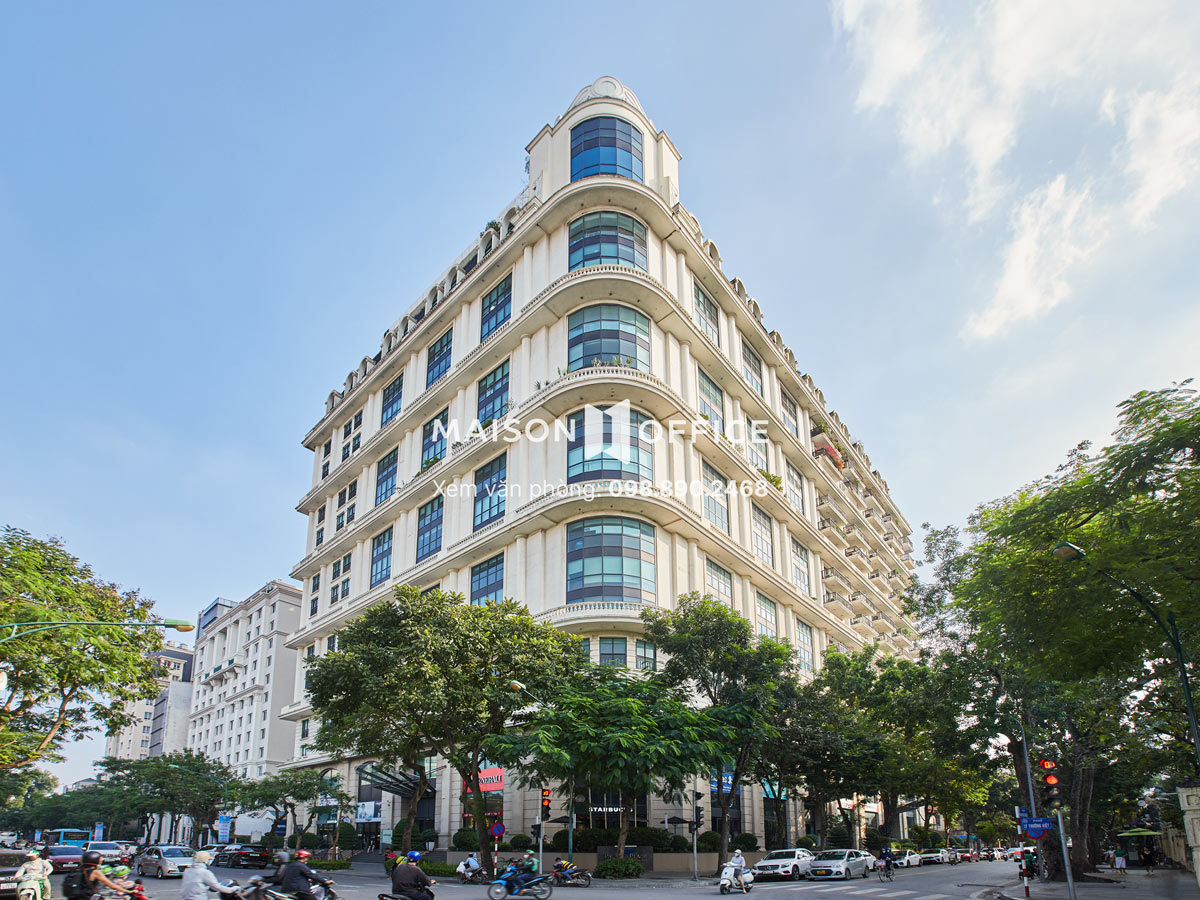 |
07. Pacific Place
|
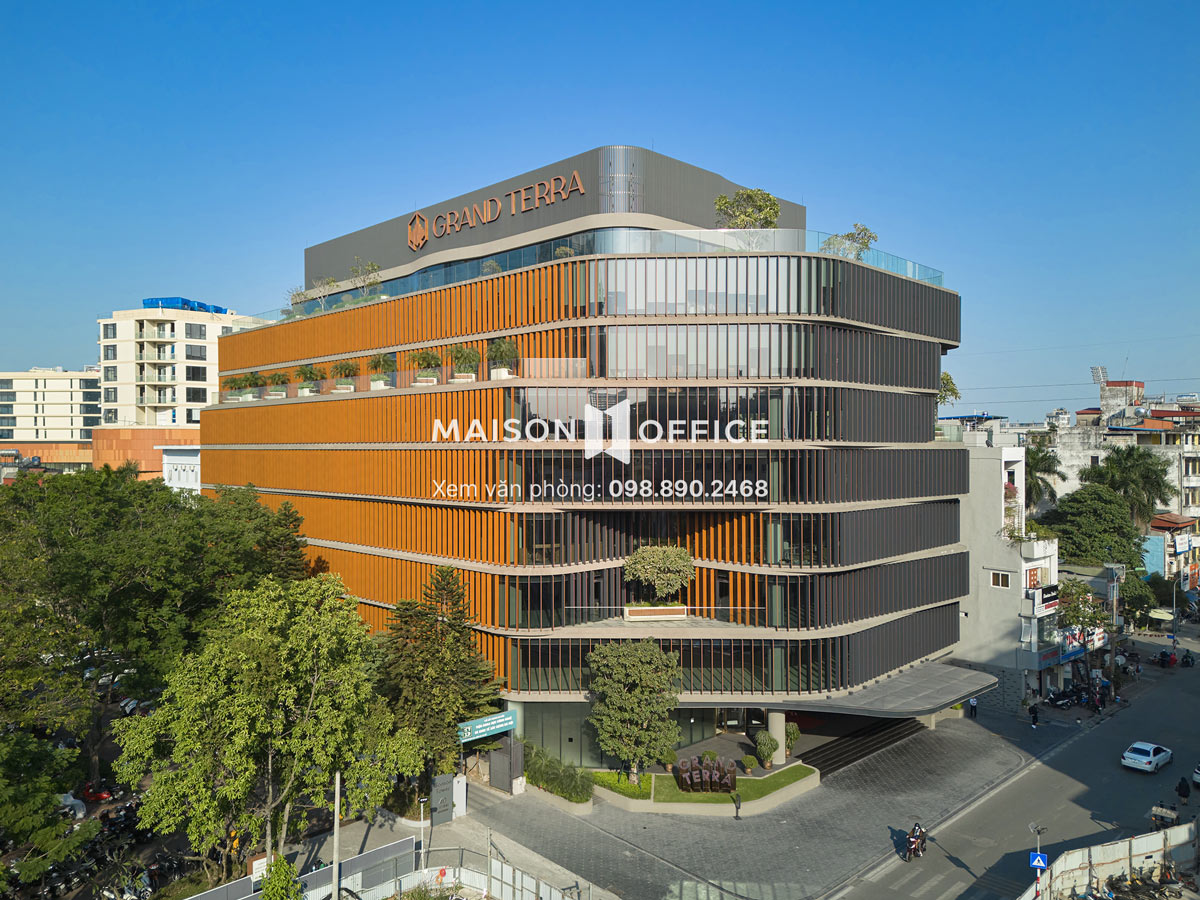 |
08. Grand Terra
|
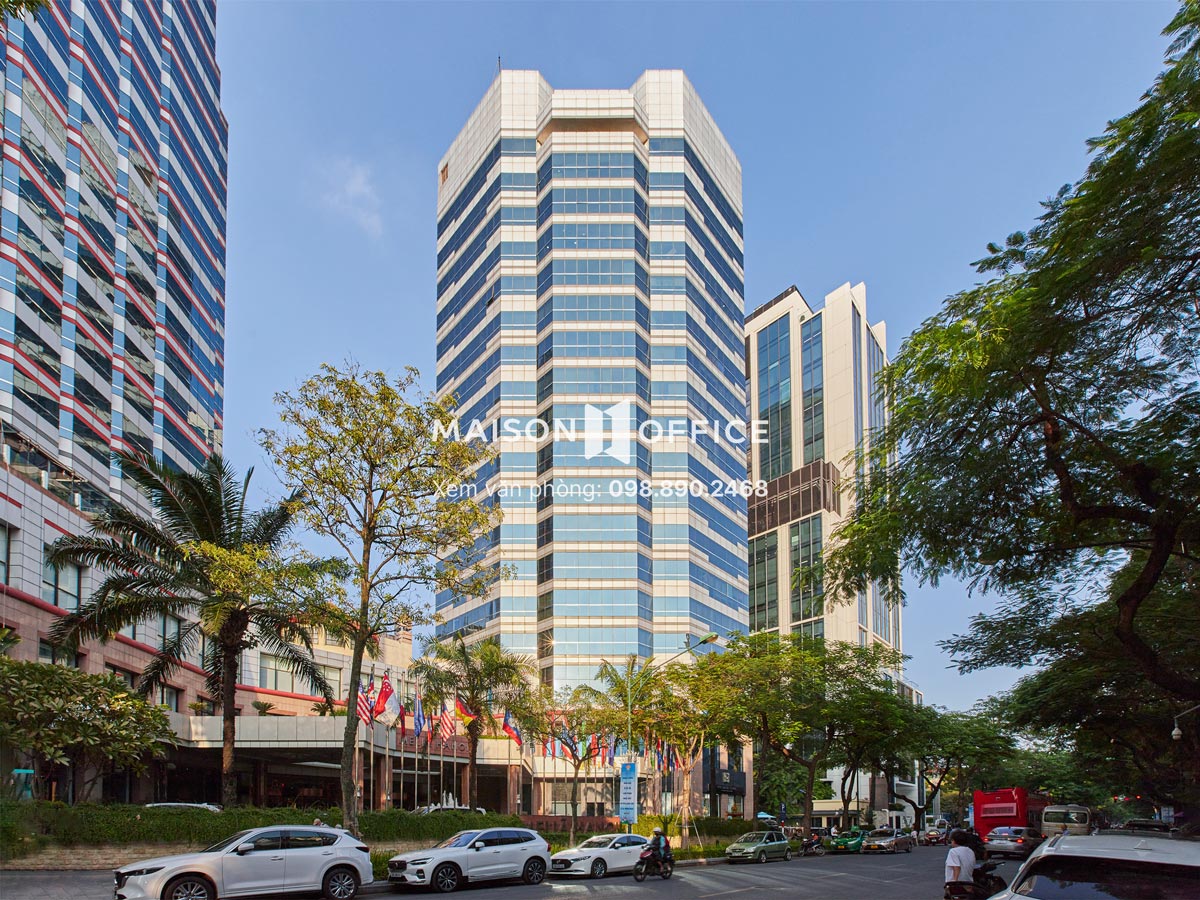 |
09. HCO Building
|
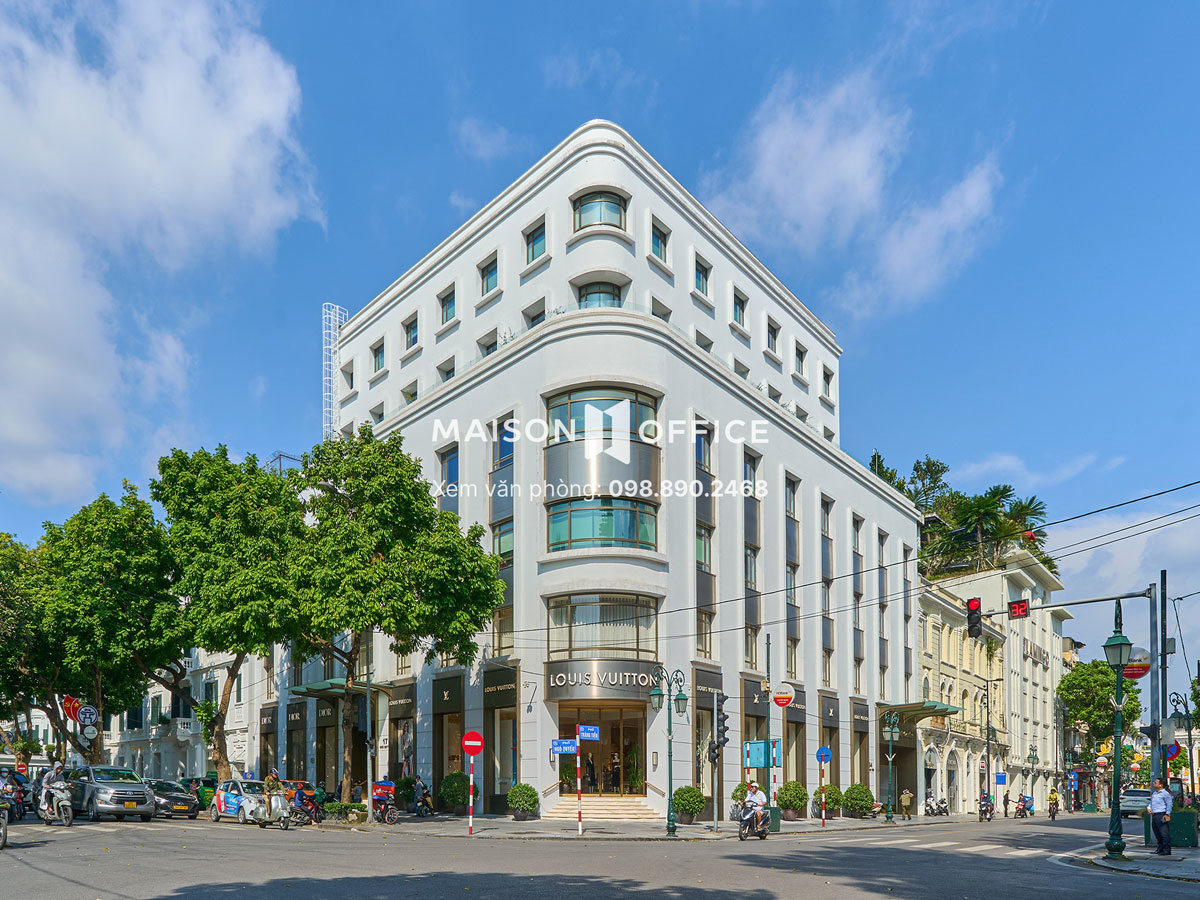 |
10. International Centre
|
>> Grade A Office Buildings in Hanoi
6. List of typical Grade B offices
6.1 Grade B offices in Ho Chi Minh City
| Image | Building |
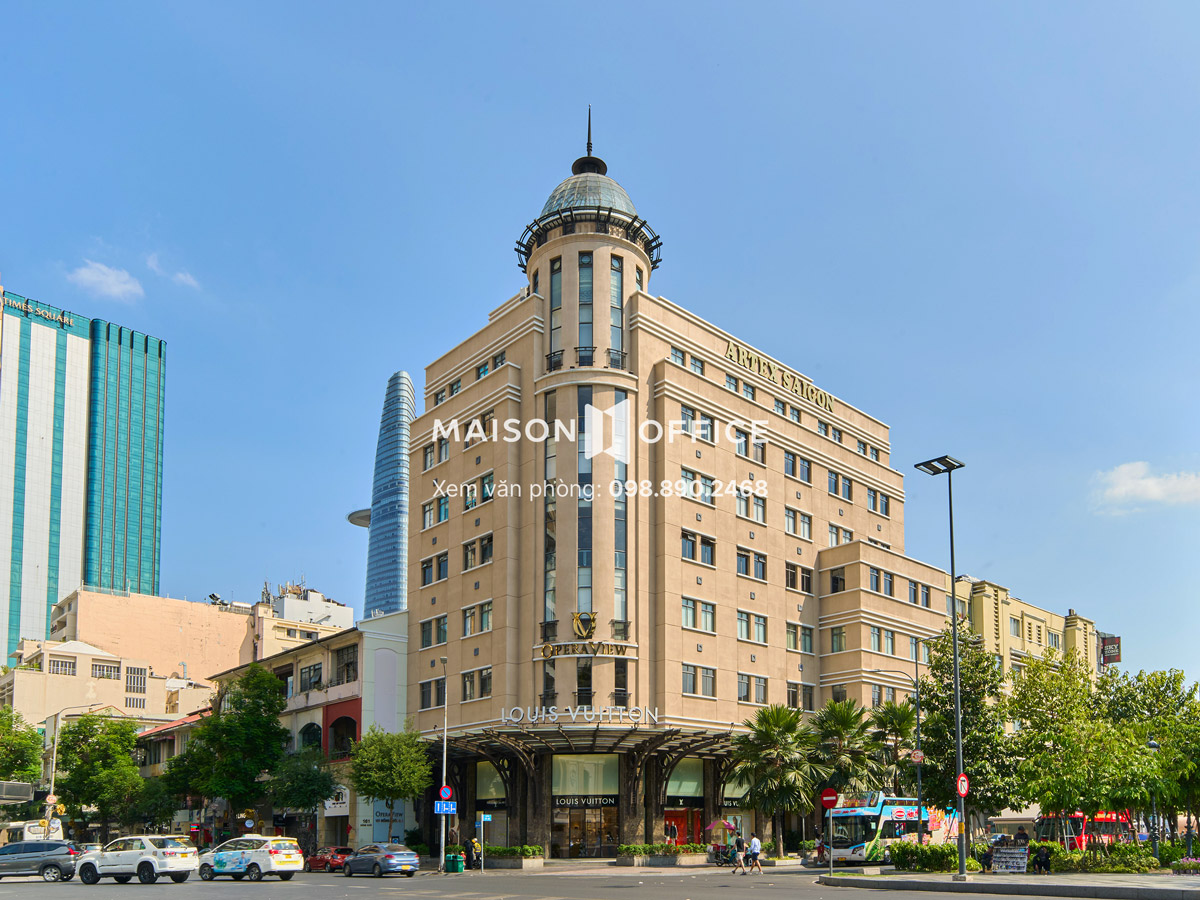 |
01. Opera View Building
|
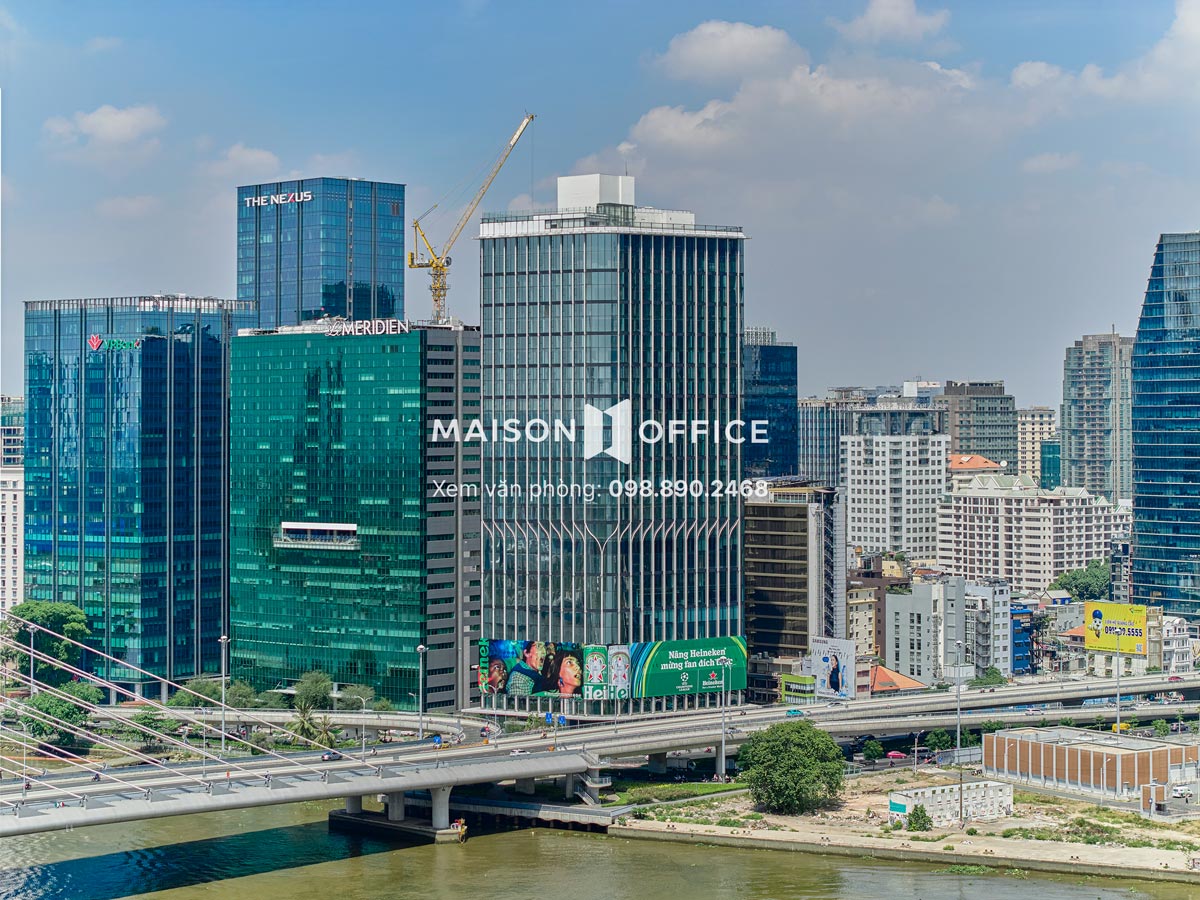 |
02. The Waterfront Saigon
|
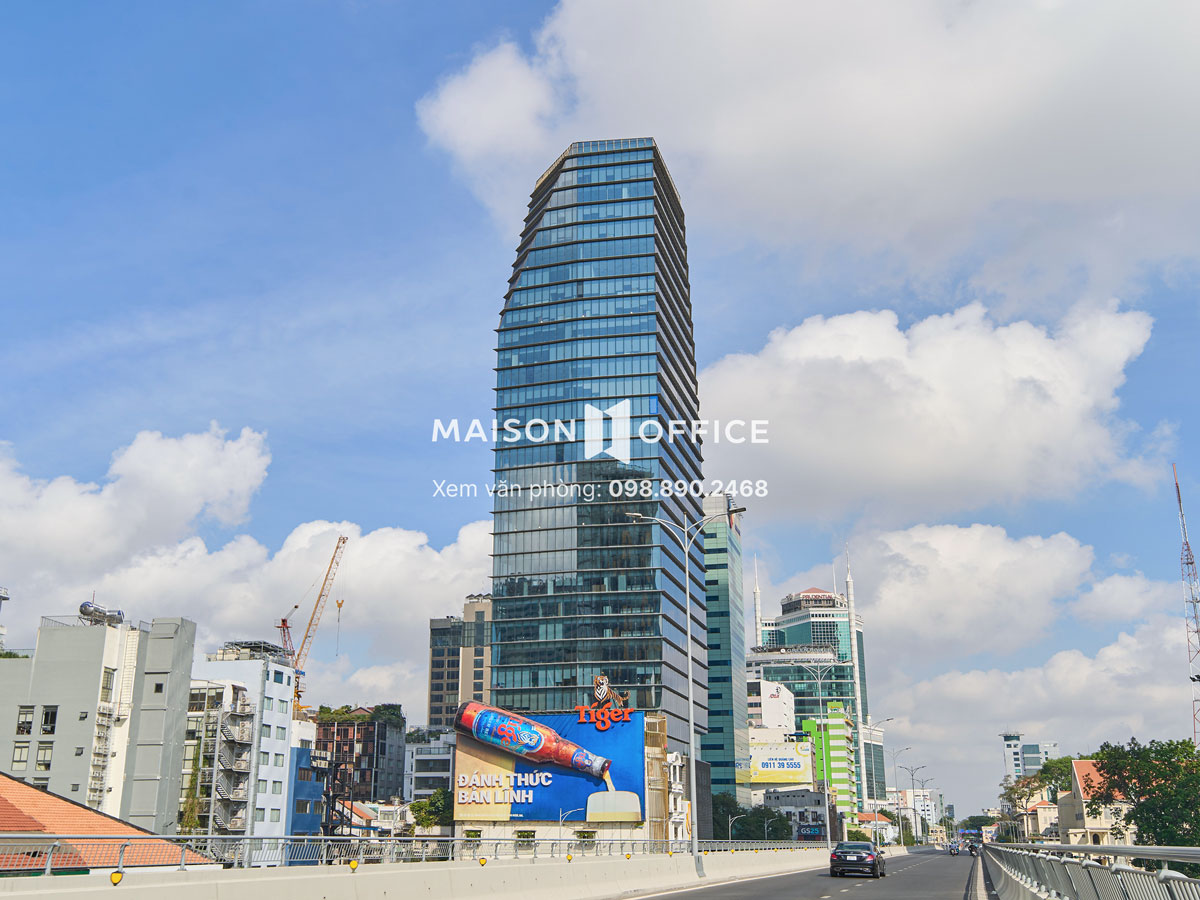 |
03. 9 Ton Duc Thang Tower
|
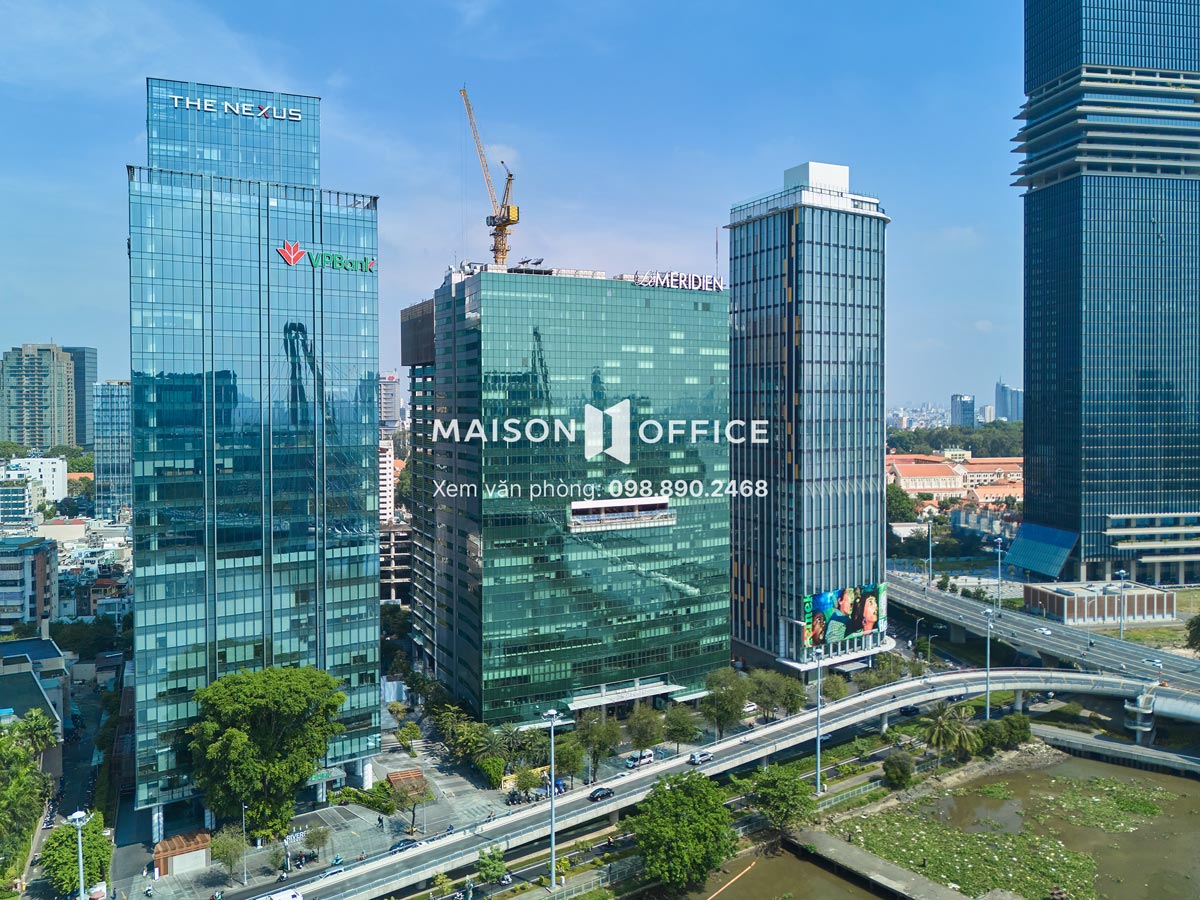 |
04. Riverbank Place
|
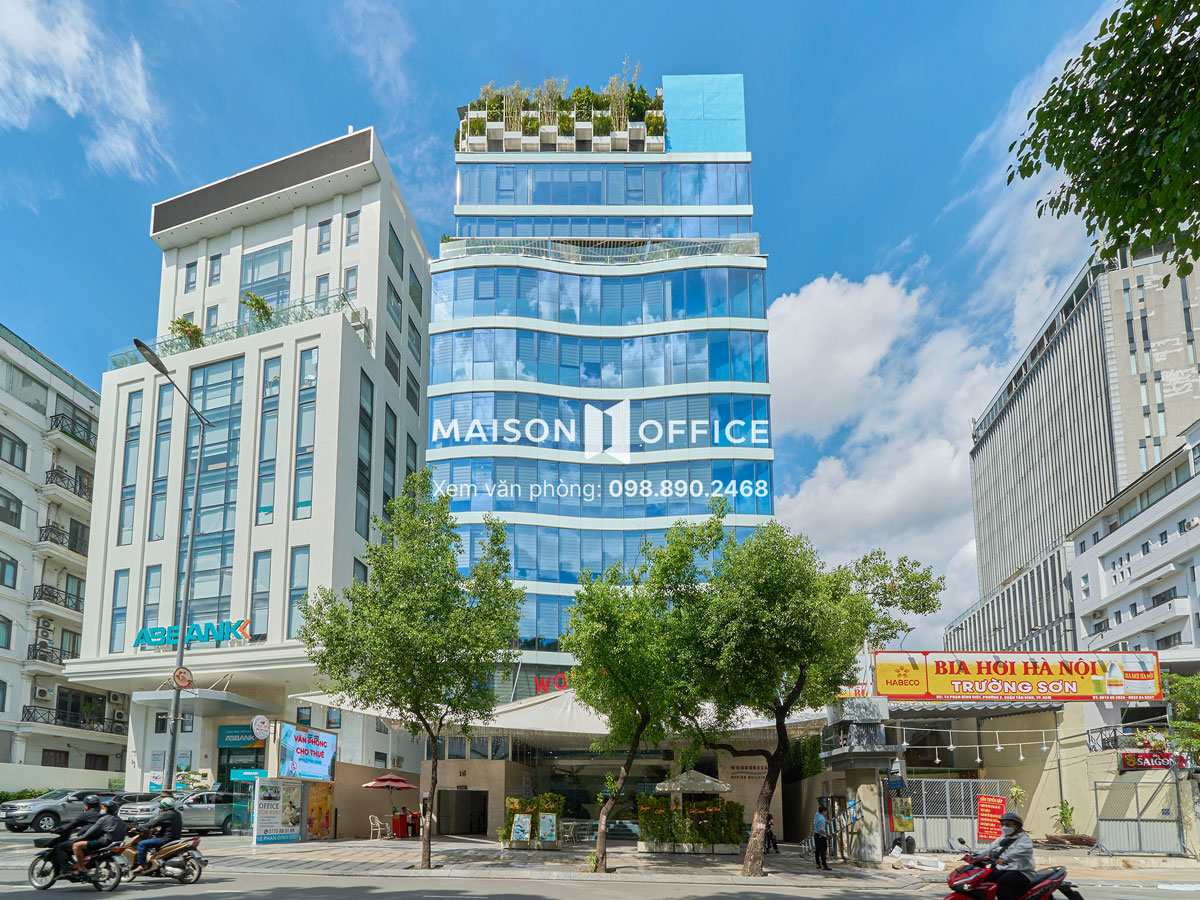 |
05. Wondersea Building
|
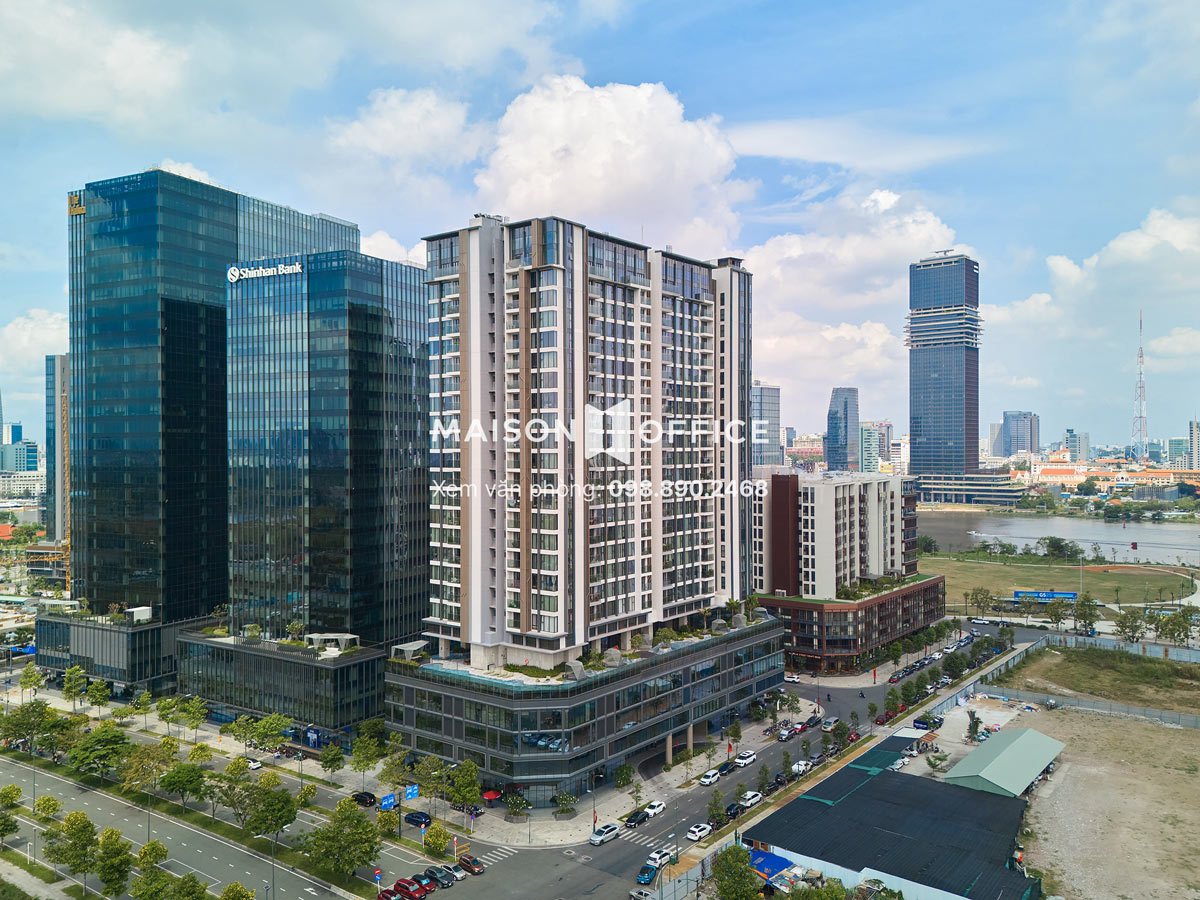 |
06. The Crest Office
|
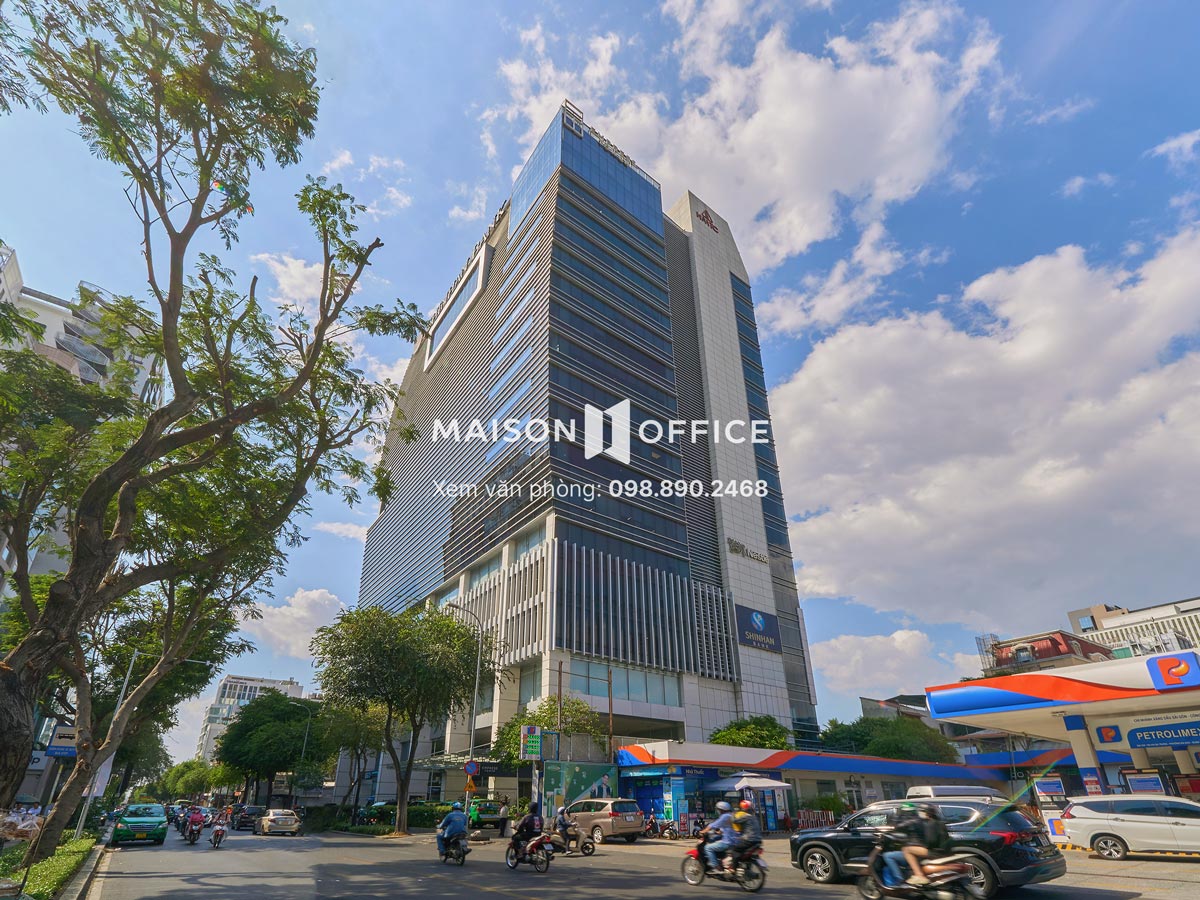 |
07. Empress Tower
|
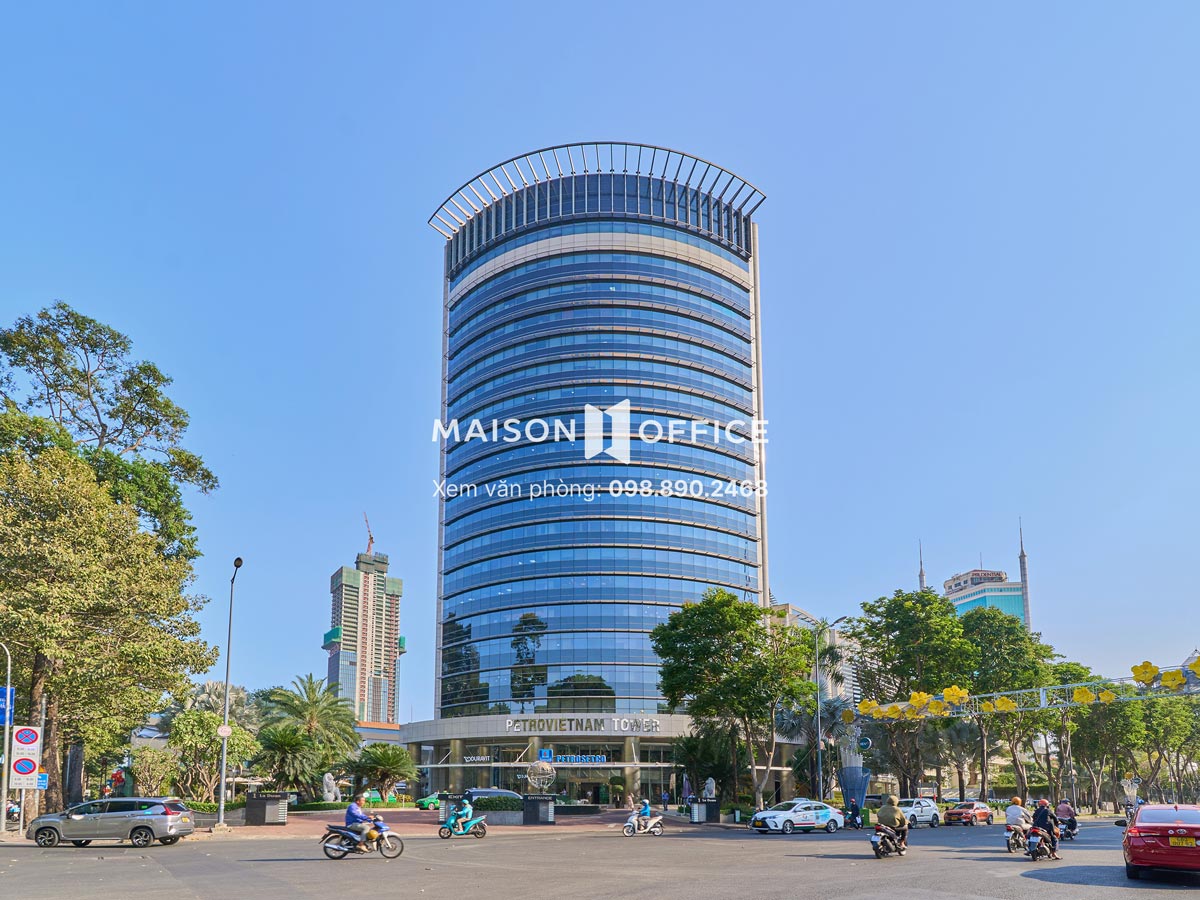 |
08. Petrovietnam Tower
|
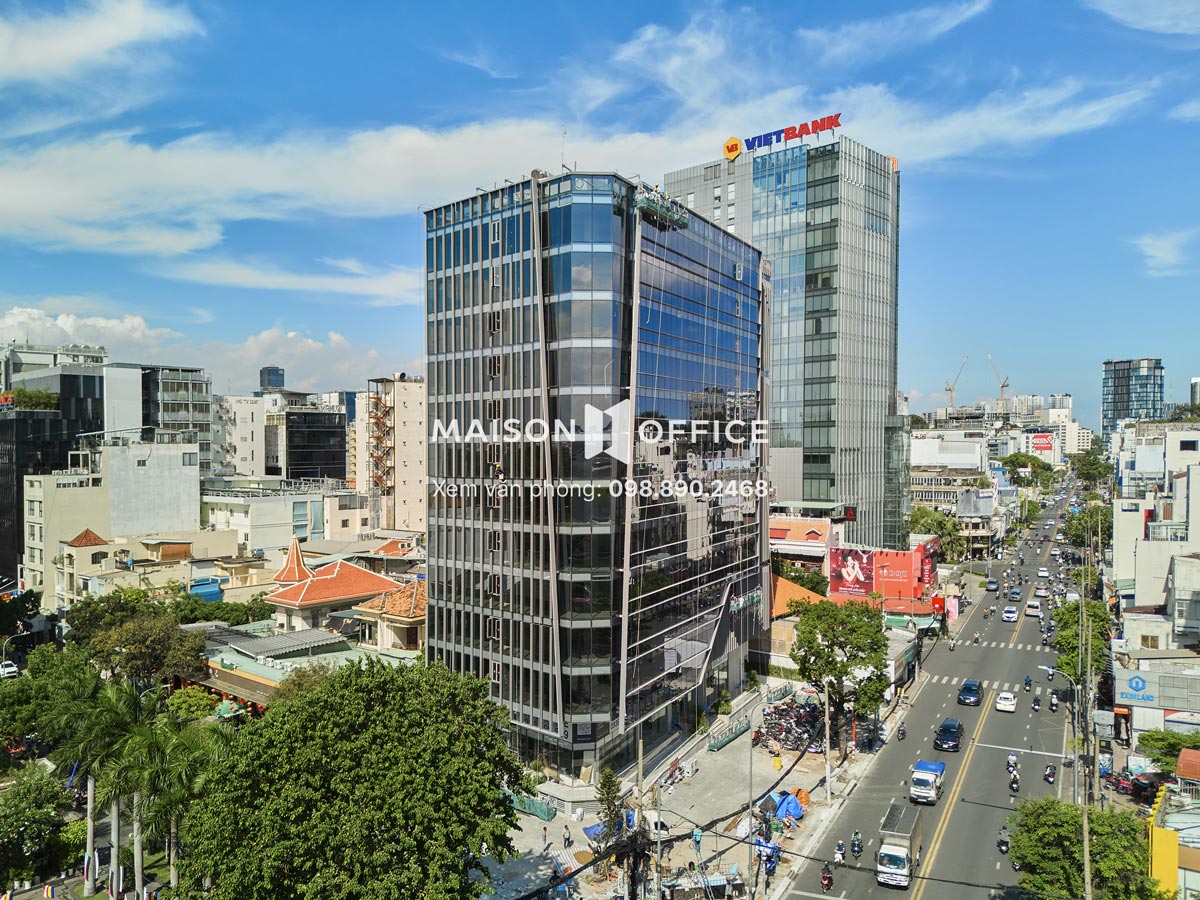 |
09. Yteco Tower
|
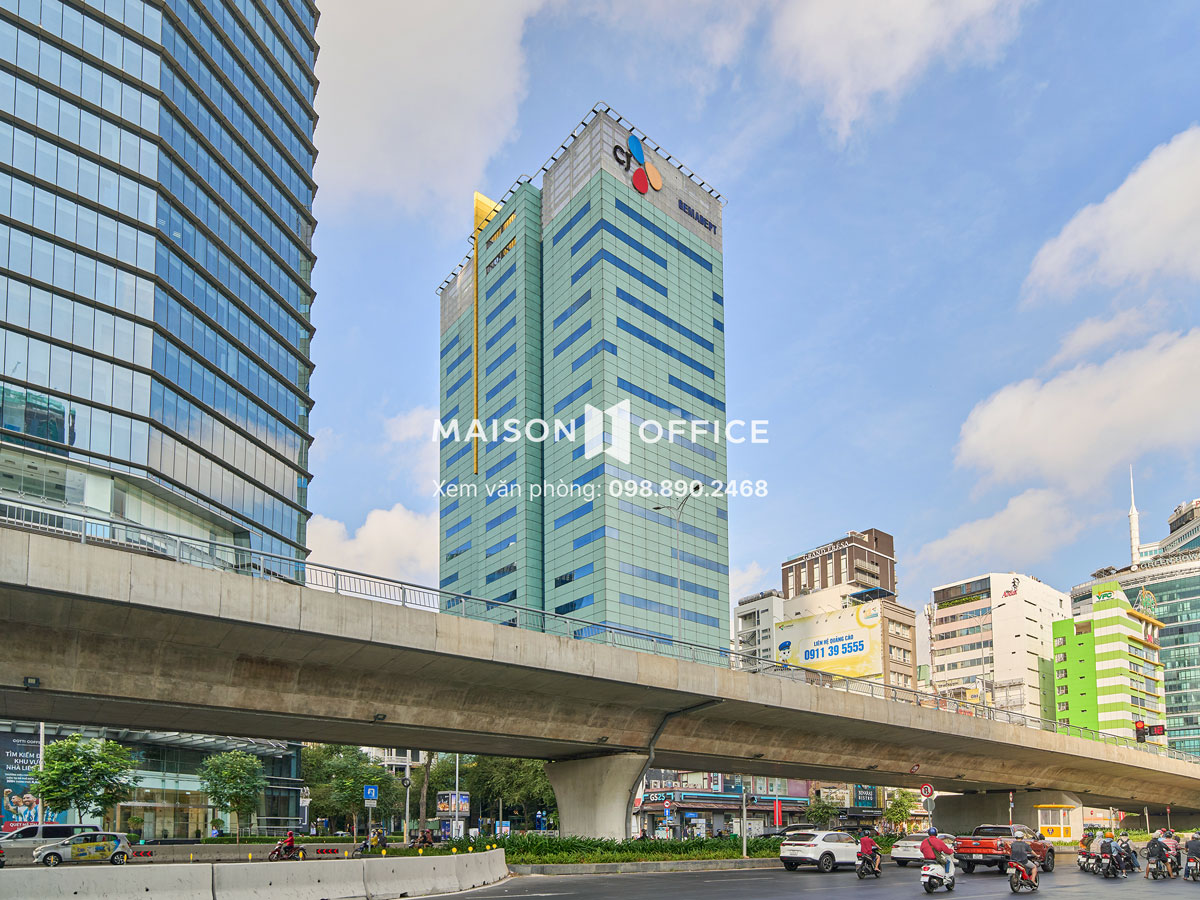 |
10. CJ Tower
|
>> Grade B Office Buildings in HCMC
6.2 Grade B offices in Hanoi
| Image | Building |
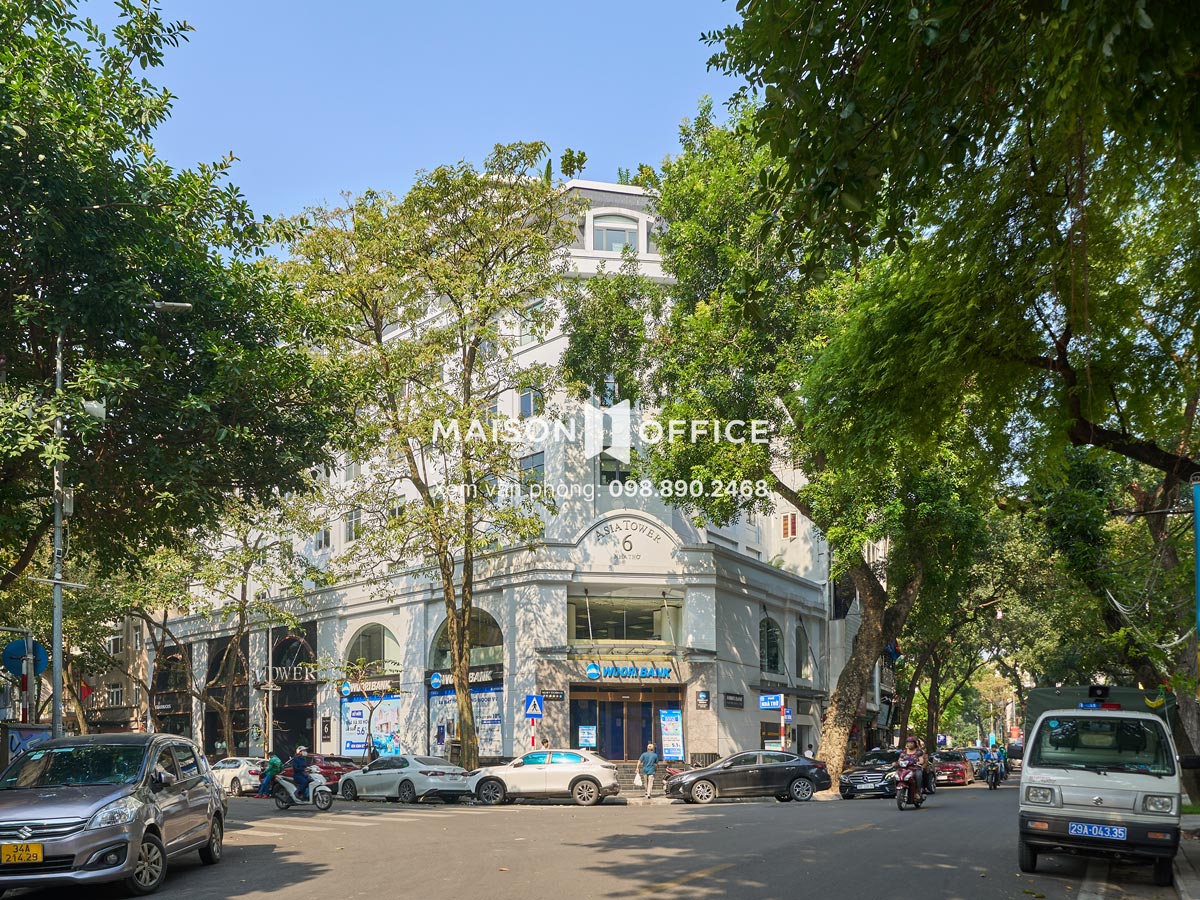 |
01. Asia Tower
|
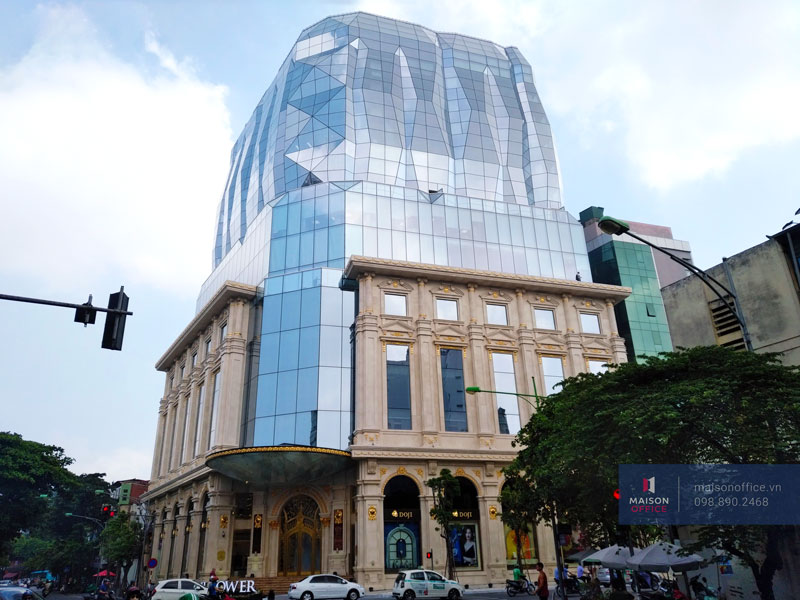 |
02. DOJI Tower
|
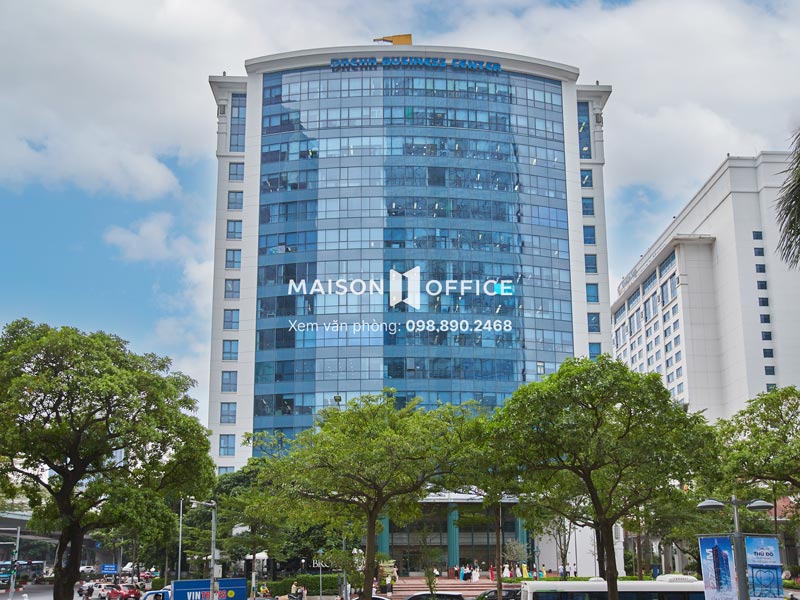 |
03. Daeha Business Center
|
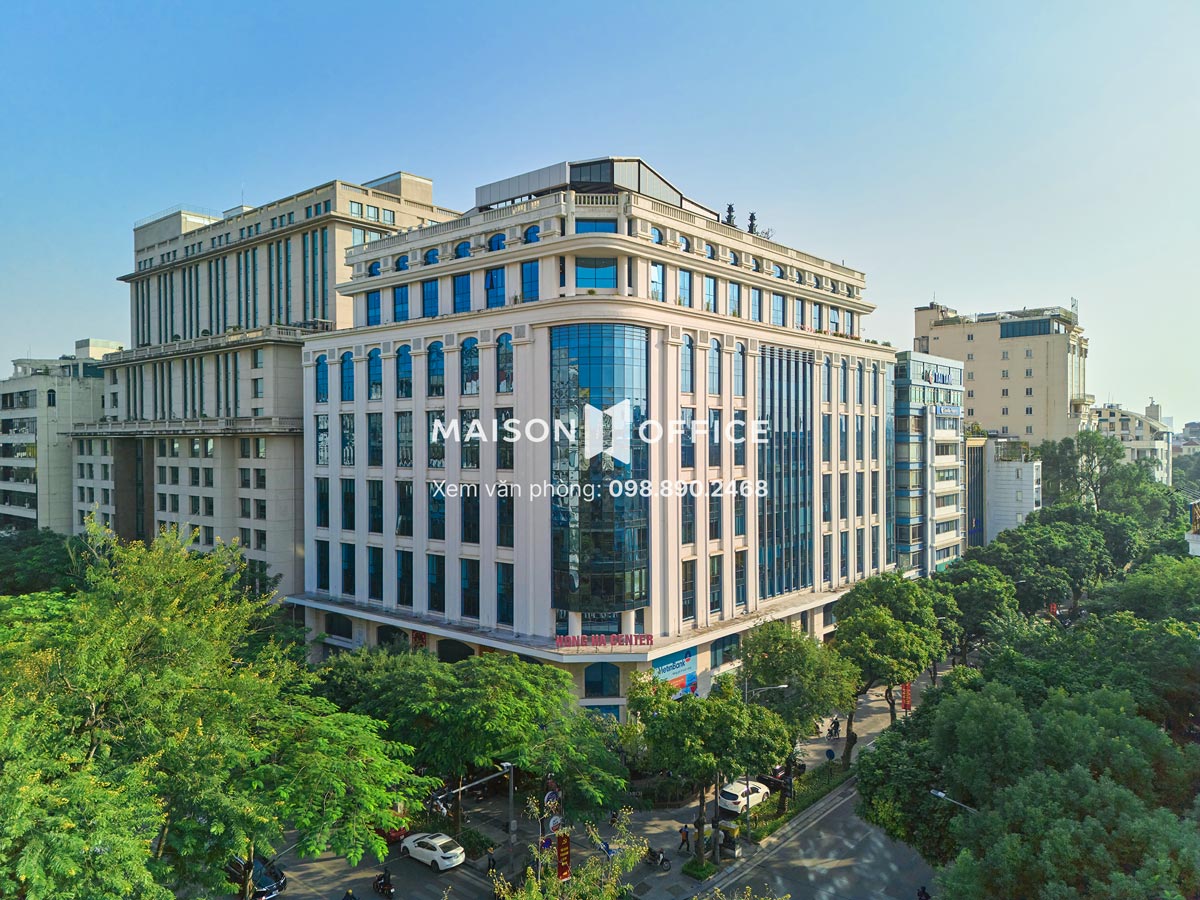 |
04. Hong Ha Center
|
 |
05. VCCI Tower
|
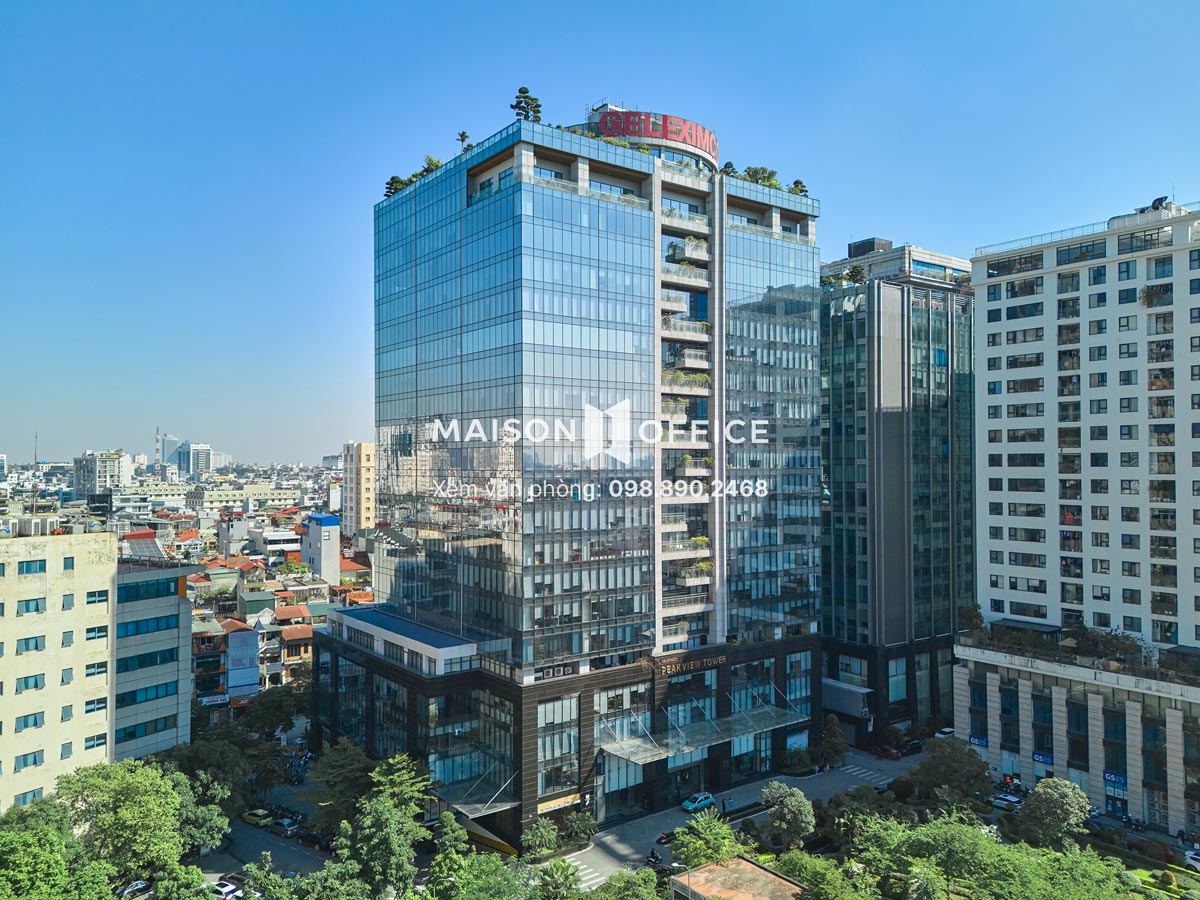 |
06. Peakview Tower
|
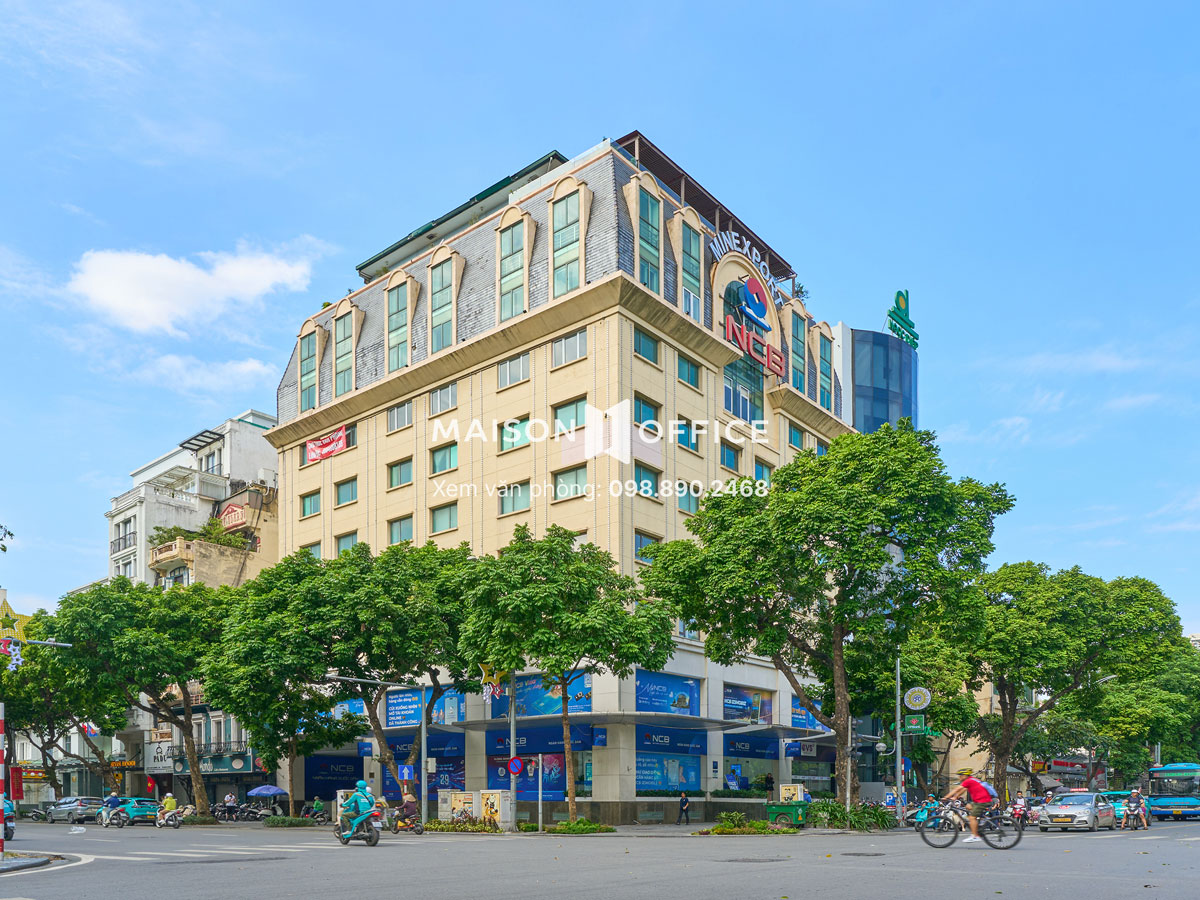 |
07. Minexport Tower
|
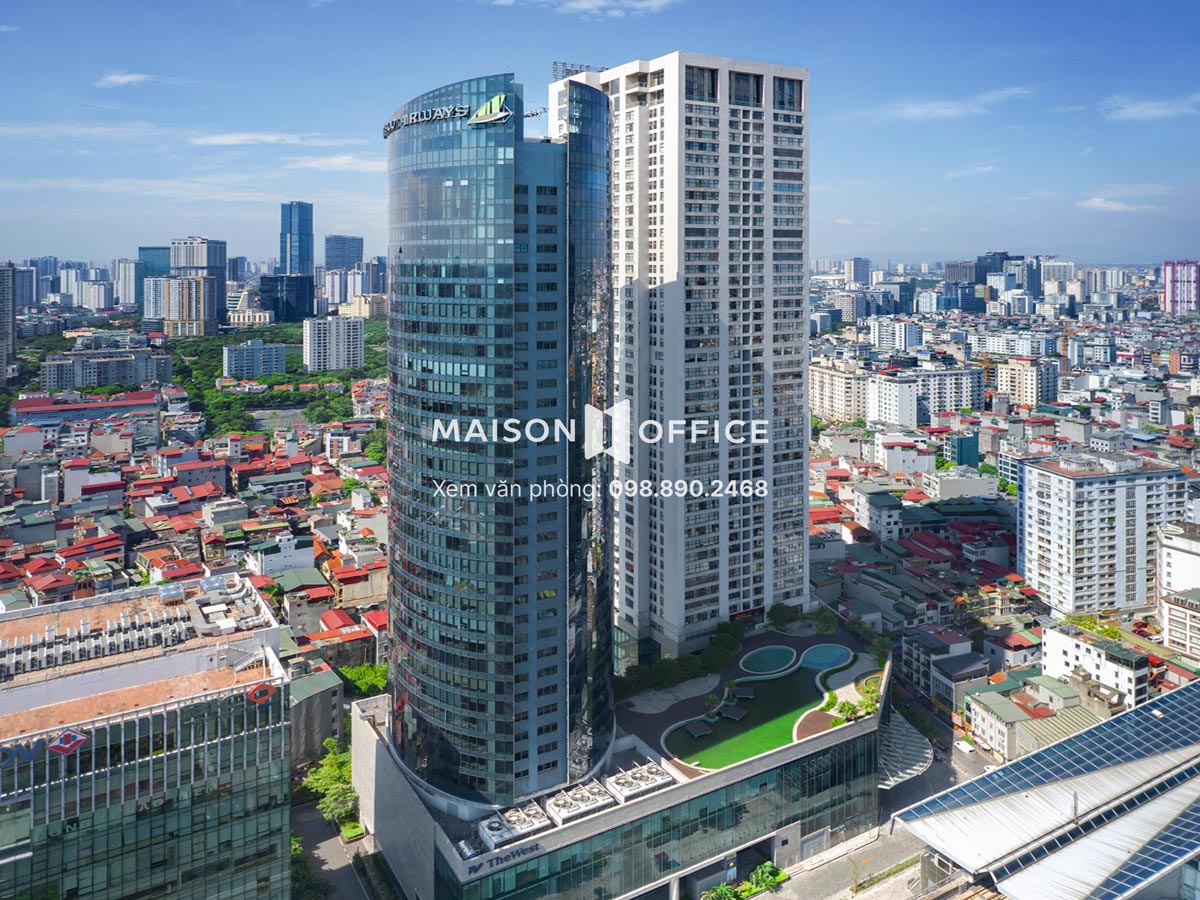 |
08. The West
|
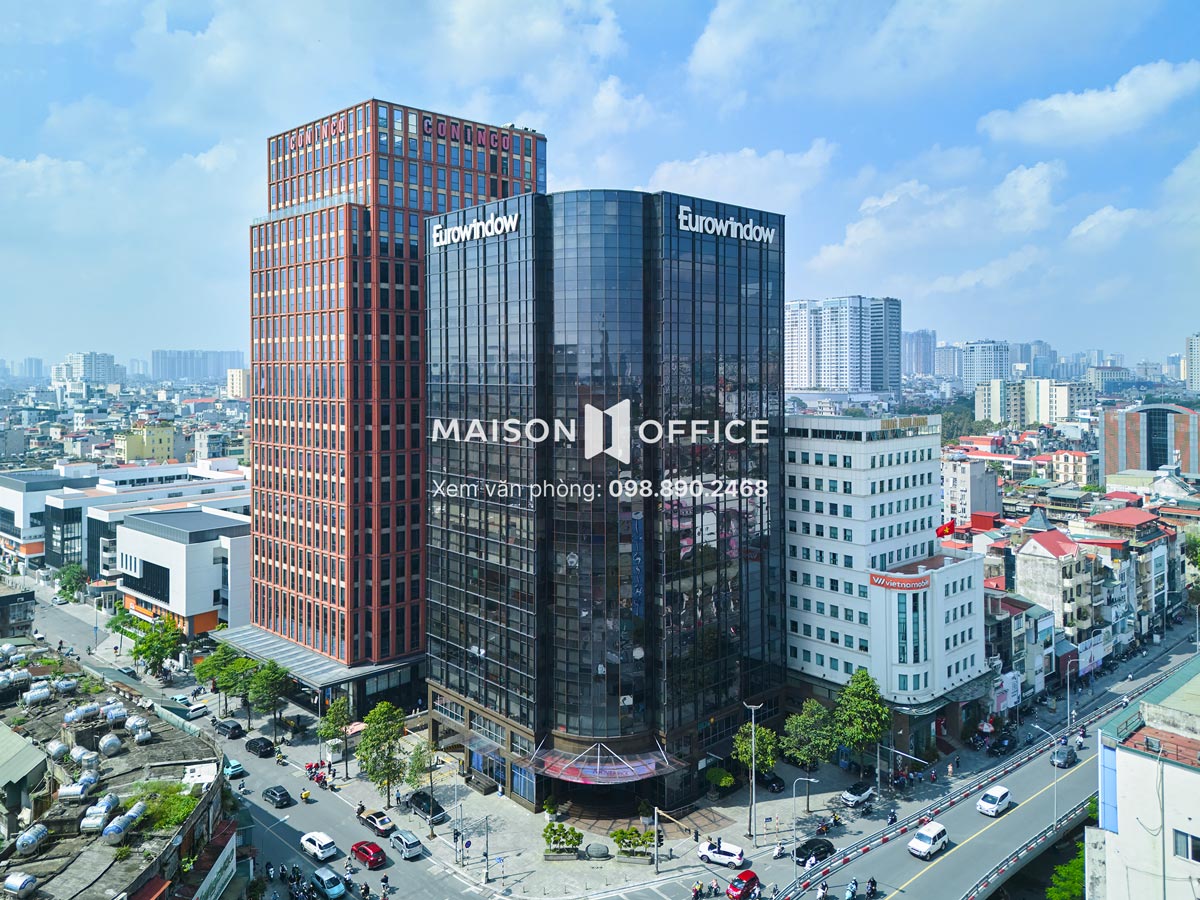 |
09. Eurowindow Ton That Tung
|
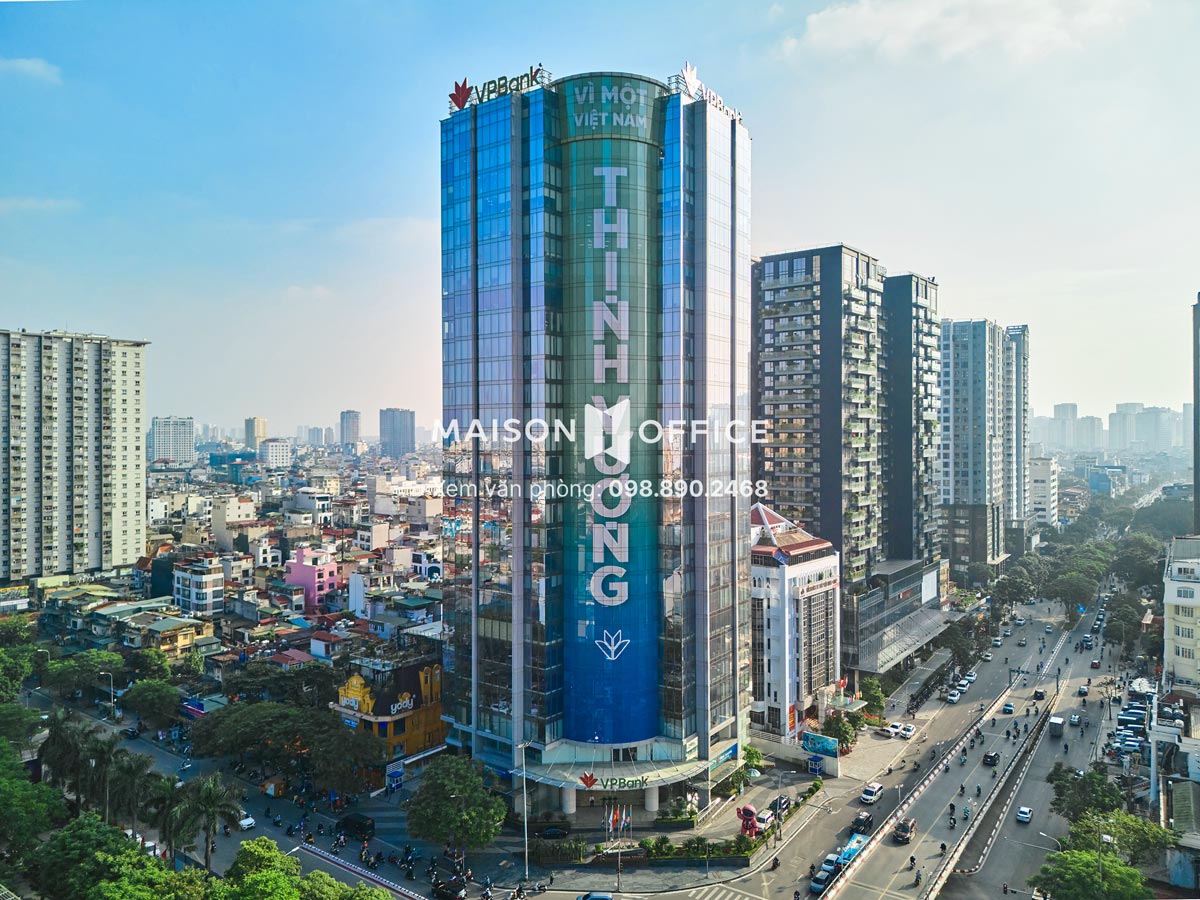 |
10. VP Bank Tower
|
>> Grade B Office Buildings in Hanoi
7. What to check before leasing a Grade A office
When viewing a building marketed as a Grade A office, businesses should assess three key areas: building quality, operational standards, and actual lease terms. This approach helps determine whether the building is suitable for the business rather than relying solely on its advertised office grade.
- Building quality: Check the location, floor plate, ceiling height, air-conditioning system, elevators, backup power, fire protection systems, parking facilities, and access control. The floor plan should also be reviewed against the proposed workplace layout and headcount to assess space efficiency.
- Operational standards: Confirm the building’s operating hours, after-hours air conditioning, security, visitor management, maintenance, and incident response procedures. Some factors can only be properly assessed during an on-site inspection and through discussions with the building management team.
- Lease terms: Compare the rental rate, service charge, VAT, parking fees, after-hours air-conditioning charges, security deposit, and payment schedule. Businesses should also clarify the rent-free fit-out period, lease term, and office reinstatement requirements.
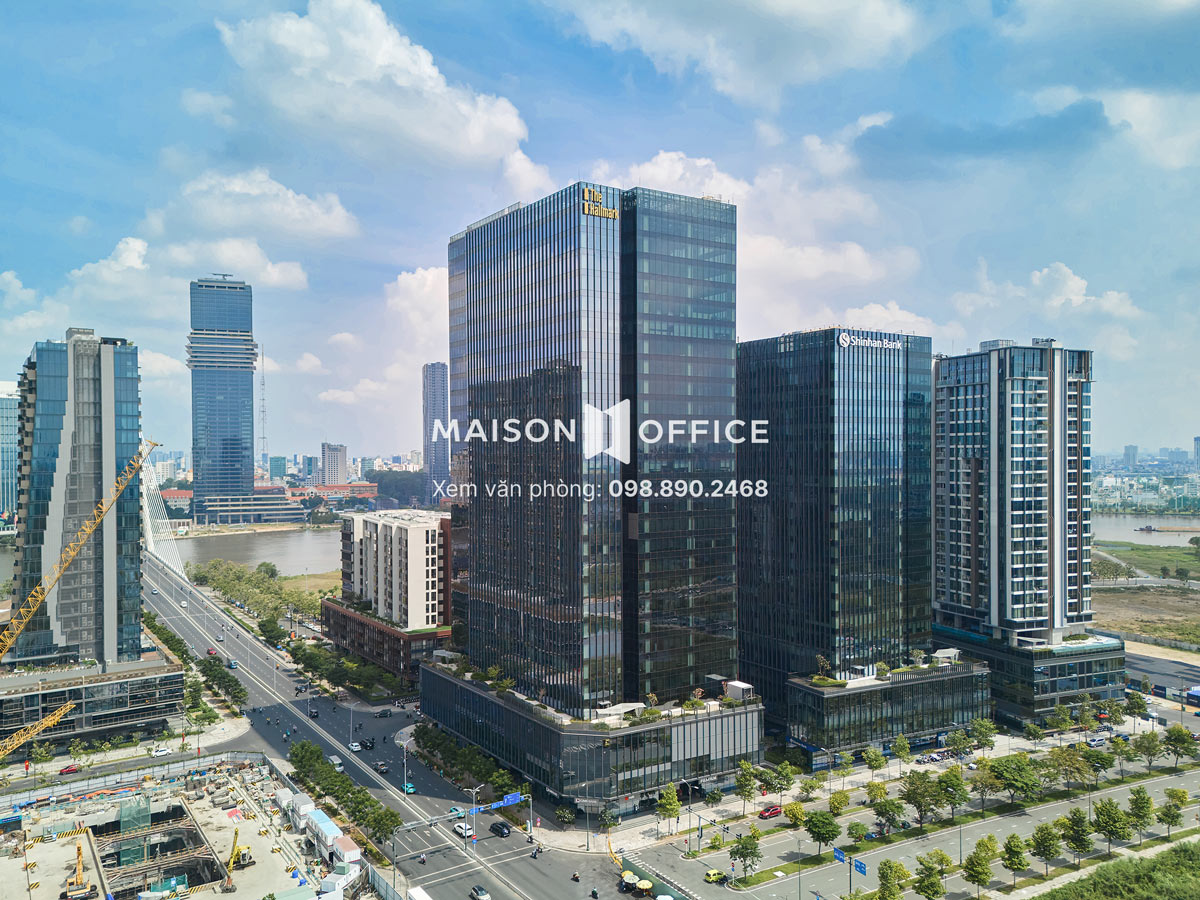
Businesses should compare shortlisted buildings using the same set of criteria and total occupancy cost. Even a high-quality building may not suit a company’s operating model if it has limitations related to parking, air-conditioning hours, or lease terms.
Using a consistent set of criteria also helps businesses narrow down their shortlist and establish a clearer basis for comparing options before entering lease negotiations.
Maison Office assists businesses in defining their office requirements, shortlisting suitable buildings, checking current availability and rental rates, and arranging property viewings. Once a suitable option has been identified, the advisory team can further assist with cost comparisons, lease negotiations, and the review of key commercial terms before the lease agreement is signed.
Contact Maison Office to receive a shortlist of Grade A, B, and C offices based on your preferred location, space requirements, and rental budget.
8. Frequently asked questions about Grade A offices
8.1 What is the difference between Grade A and Grade A+ offices?
Grade A+ should not be understood as a standardized office classification applied across the entire market. BOMA uses the Class A, B, and C system in its office building classification definitions. When the term A+ is used, businesses should check the criteria applied by the information provider rather than assuming that A+ represents an official certification above Grade A.
8.2 Can a building outside the city center be classified as Grade A?
Yes. Location is an important factor, but office classification also depends on factors such as building quality, technical systems, amenities, and accessibility. Businesses should assess a property relative to competing office buildings in the same market and at the same point in time, rather than treating a CBD location as the sole requirement for Grade A classification.
8.3 Is LEED certification mandatory for Grade A offices?
No. LEED certification alone should not be used to determine whether an office building qualifies as Grade A. LEED assesses factors related to green building performance and sustainability, while office classification considers a broader range of criteria, including location, building quality, technical systems, amenities, and market competitiveness. LEED should therefore be considered an additional attribute when comparing office buildings.
8.4 Do Grade A offices have to be located in the CBD?
No. A development outside the CBD can still offer high standards of construction, technical systems, property management, and accessibility. Location should be assessed alongside the building’s overall specifications and compared with competing office supply in the same area, particularly in emerging business districts where new clusters of high-quality office buildings are developing.
8.5 Should businesses choose a Grade A or Grade B office?
Grade A offices are suitable for businesses that prioritize building standards, operational quality, location, and client experience. Grade B offices may be more suitable for businesses seeking a balance between quality, space, and rental budget. Before making a decision, businesses should compare available options based on the same space requirements and total occupancy cost.
Editor and content team manager at Maison Office.
With over 5 years of experience in consulting and extensive content editing in the real estate services and interior design field. Sharing valuable information with customers, partners, and attracting millions of views.


