

 Việt Nam
 English

Popular Office Types for Businesses Today

 9 min read
1.2K
9 min read
1.2K

The most common types of office space for lease today include traditional office space in commercial buildings, serviced offices, coworking spaces, shared offices, virtual offices, officetels, and whole houses or buildings for lease. Each type differs in how the space is used, initial investment costs, level of privacy, lease term, and scalability. Businesses should choose an office type based on headcount, budget, growth plans, and actual operational requirements.
| Office type | Use of space | Suitable size | Privacy | Flexibility | Best suited for |
| Traditional office space | Private office space | Medium to large teams | High | Medium | Businesses requiring a stable office with their own corporate identity |
| Serviced office | Private office with ready-to-use services | Small to medium teams | Relatively high | High | Businesses seeking quick move-in with lower upfront investment |
| Coworking space | Shared workspace | Individuals and small teams | Low to medium | High | Small or frequently changing teams |
| Shared office | Private workspace with shared amenities | Small teams | Relatively high | High | Businesses requiring a private office without leasing an entire floor |
| Virtual office | Business address and support services | Depending on requirements | Not applicable | High | Businesses that do not require permanent workspace |
| Officetel | Apartment-style office space | Small teams | High | Medium | Businesses requiring a small, independently operated space |
| Whole building | Entire house or building | Medium to large teams | Very high | Depends on the property | Businesses requiring full control over operations and corporate branding |
*** Rental rates for each office type vary depending on location, building grade, and market conditions. For accurate and up-to-date pricing, businesses should request quotations directly from landlords or an office leasing consultancy.
Table of Contents
- 1. Traditional office space in commercial buildings
- 2. Serviced Office
- 3. Coworking Space
- 4. Shared Office
- 5. Virtual Office
- 6. Officetel – Office Apartment
- 7. Whole House or Building for Office Use
- 8. Comparing Costs Across Office Types
- 9. Which Office Type Should a Business Choose?
- 10. Frequently Asked Questions (FAQ)
- 10.1 Which office type is suitable for a newly established business?
- 10.2 Can a virtual office be used for business registration?
- 10.3 Can an officetel be used as a company office?
- 10.4 What is the difference between a shared office and a coworking space?
- 10.5 How are office leasing costs calculated?
- 10.6 Which office type is suitable for businesses with fewer than 10 employees?
1. Traditional office space in commercial buildings
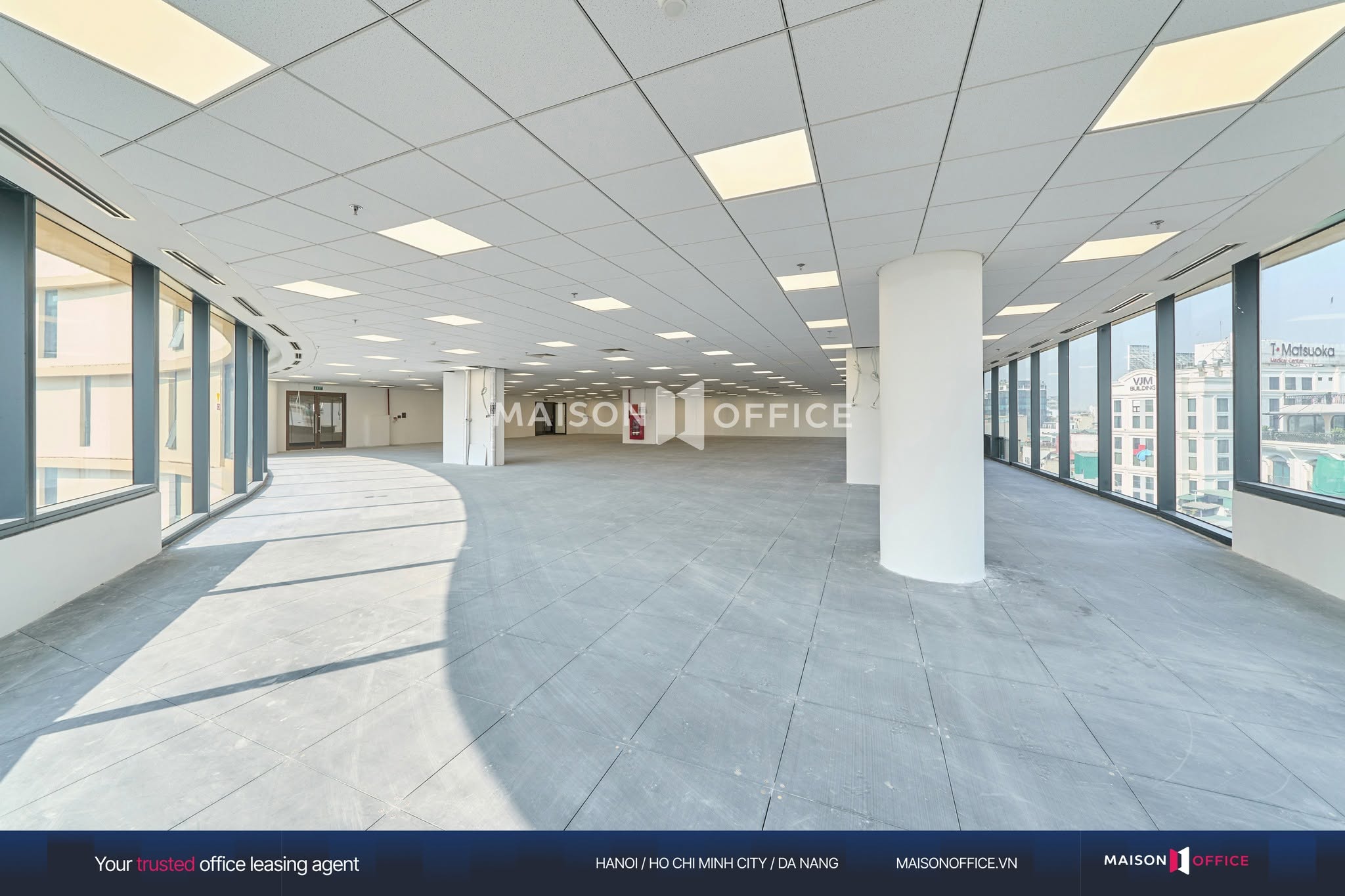
Leasing office space in commercial buildings is one of the most common options for businesses seeking a formal and stable workplace for long-term operations. The market generally categorizes office buildings into four segments: Grade A, Grade B, Grade C, and budget offices, based on factors such as location, building quality, amenities, and property management.
A comparison of common office building grades:
| Grade | Location | Quality | Suitable for |
| Grade A | Central business districts and prime locations | International-standard specifications and modern building systems | Large corporations, multinational companies, financial institutions, and law firms |
| Grade B | Central or near-central locations | Good building quality with reliable infrastructure | Medium to large businesses seeking a balance between cost and corporate image |
| Grade C | Various locations | Basic specifications with fewer premium amenities | Small and medium-sized businesses and newly established companies |
| Budget | Outside central areas or in older buildings | Basic facilities focused on cost efficiency | Startups and businesses with limited budgets |
Businesses that place a high priority on corporate image or frequently receive international clients may consider Grade A offices or Grade B offices. In contrast, newly established companies or businesses focused on optimizing operating costs may find Grade C or budget office space more suitable.
>> Explore office buildings for lease:
2. Serviced Office
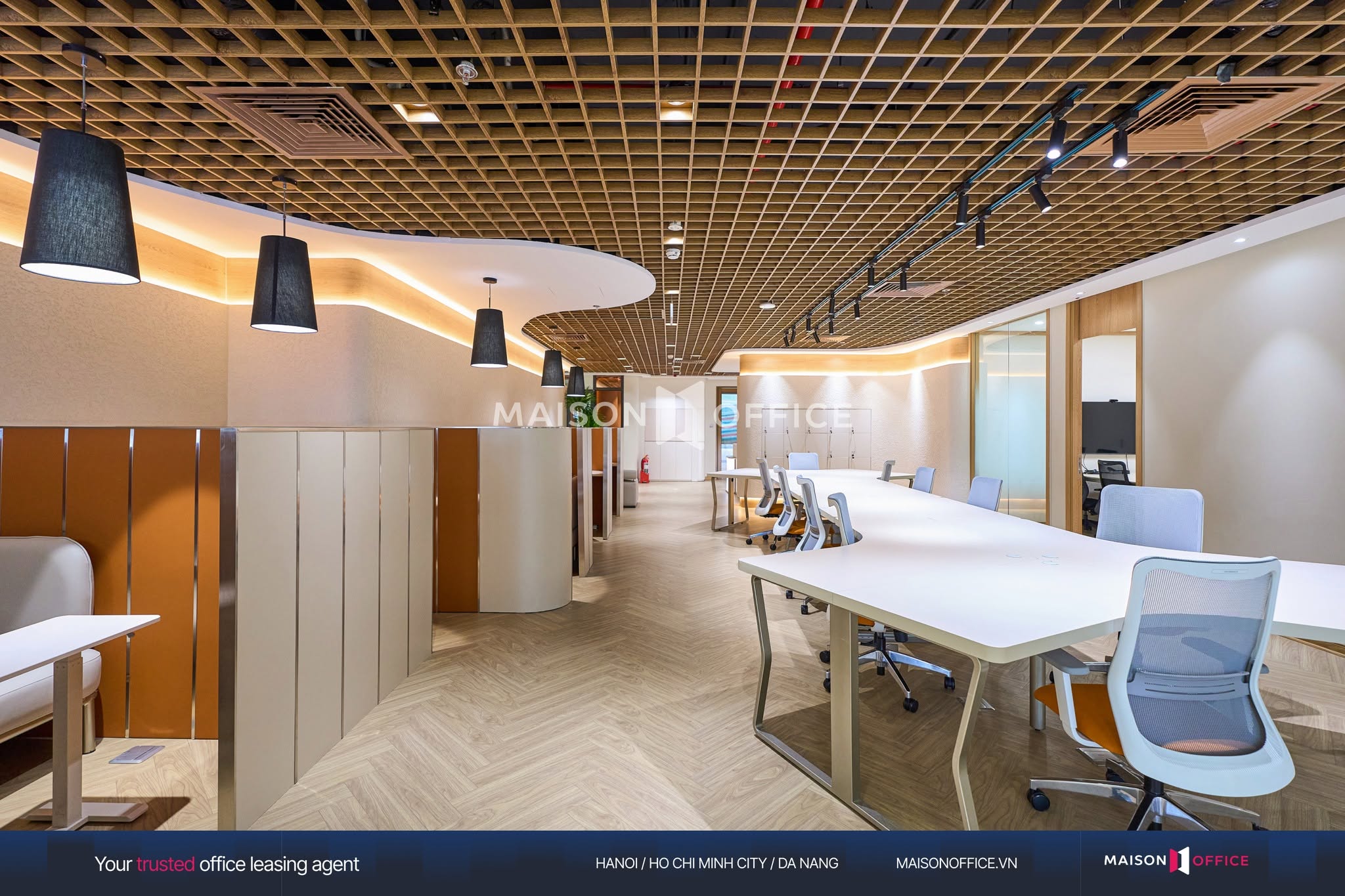
A serviced office is a private, ready-to-use workspace equipped with furniture and essential operational services. Businesses can lease individual offices or select space based on team size without having to manage the entire design and fit-out process required for traditional office space.
Depending on the provider and lease package, services may include office furniture, internet, reception services, visitor areas, meeting rooms, cleaning, and shared amenities. Businesses should confirm which services are included in the rental rate and which are charged separately.
Serviced offices are suitable for businesses that need to set up an office within a short timeframe, reduce upfront investment, or avoid committing to a large office space for a long lease term. However, options for interior customization, corporate branding, and workspace configuration are generally more limited than with a privately leased office floor.
3. Coworking Space
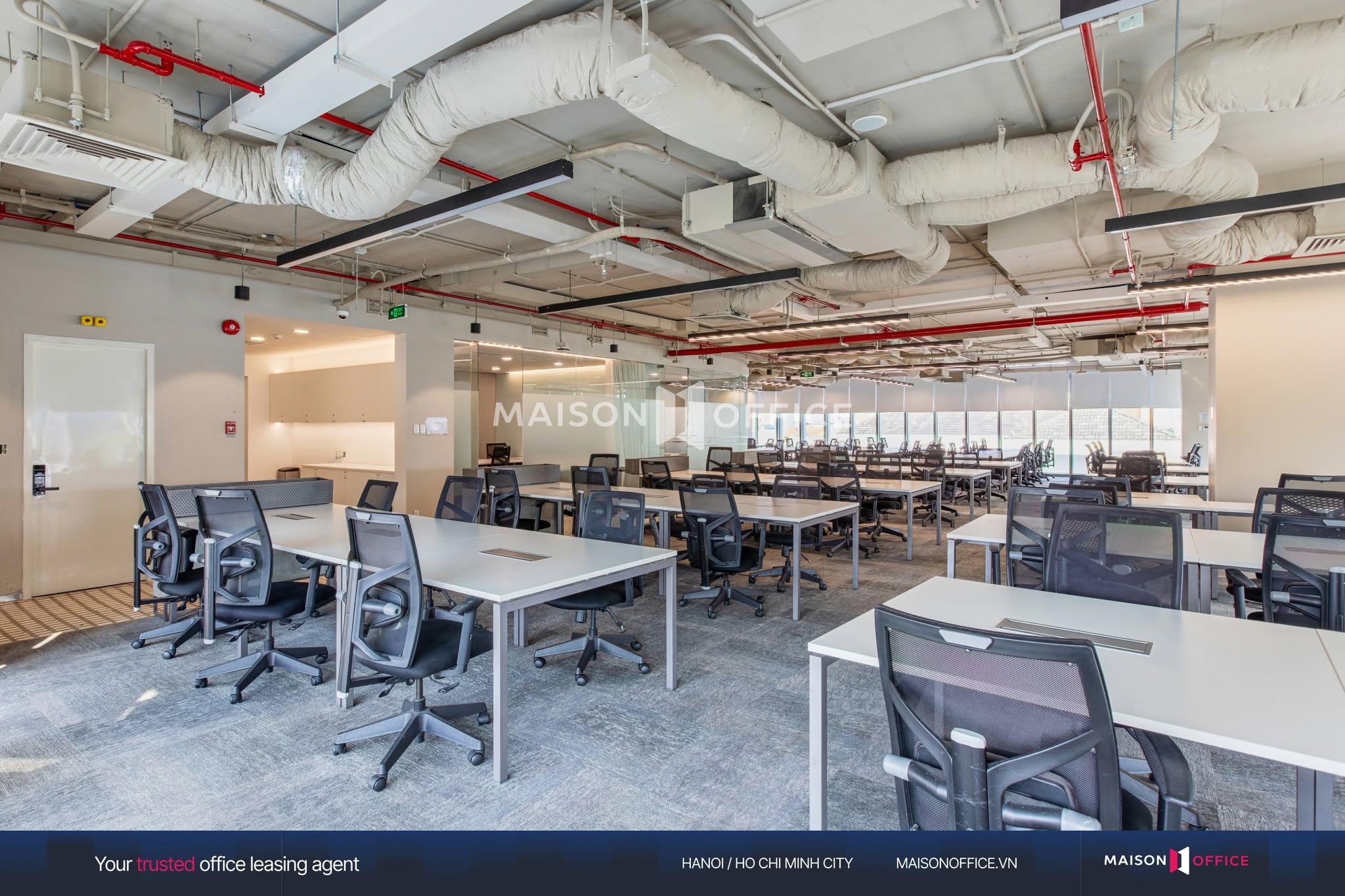
A coworking space is a shared working environment where individuals and businesses use the same office space and share amenities such as desks, meeting rooms, Wi-Fi, and pantry areas.
Businesses and individuals can typically choose from daily passes, monthly memberships, or dedicated desk packages depending on their actual needs. These spaces are often designed with an open-plan office layout that encourages interaction and networking among members.
Coworking spaces are suitable for freelancers, entrepreneurs, remote teams, and small businesses with 1–10 people looking to control costs while maintaining a professional working environment.
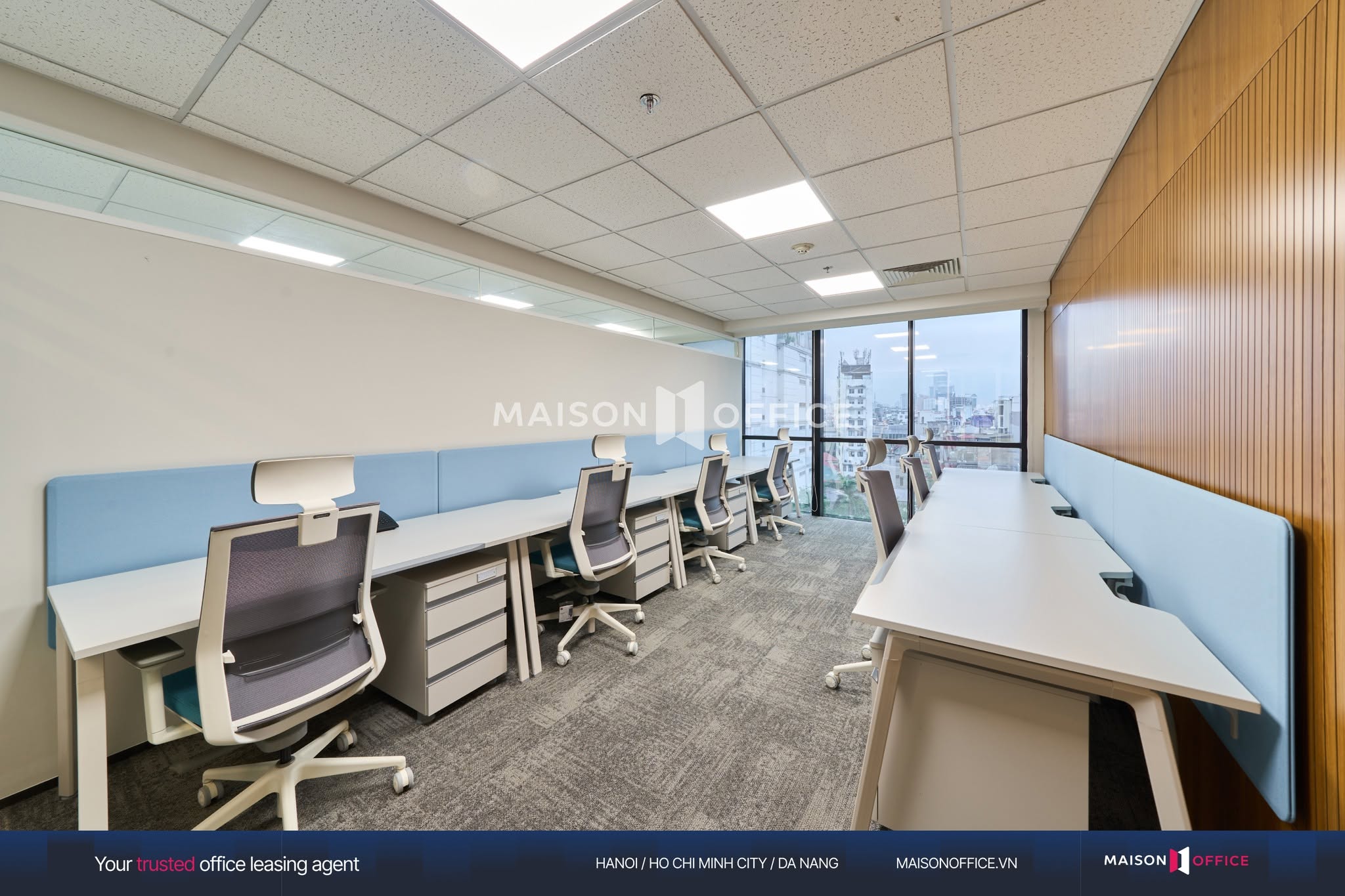
A shared office provides each business with a dedicated workspace that is clearly separated from other occupants, while certain facilities such as reception services, meeting rooms, and visitor areas are shared.
Unlike coworking spaces, which typically feature open workspaces without fixed boundaries between individuals or businesses, shared offices provide a designated private area for each company. This offers a higher level of privacy, although the space is generally smaller than a traditional office.
Shared offices are suitable for businesses with 3–15 employees that require a private workspace to protect internal information but do not yet have the budget or operational need to lease an entire office floor.
5. Virtual Office
A virtual office is a service that provides a business address and supporting services without requiring the company to maintain a permanent physical workspace at that location. Depending on the package, services may include mail handling, telephone services, reception support, meeting rooms, or on-demand workspace.
Virtual offices are suitable for businesses with remote teams, companies seeking a commercial presence in a particular location, or businesses that do not require a permanent physical office.
The use of a virtual office address as a company’s registered office should be assessed based on applicable laws and regulations, the permitted use of the property, and the provider’s terms and conditions. Businesses should not assume that every virtual office address meets the same legal requirements for company registration.
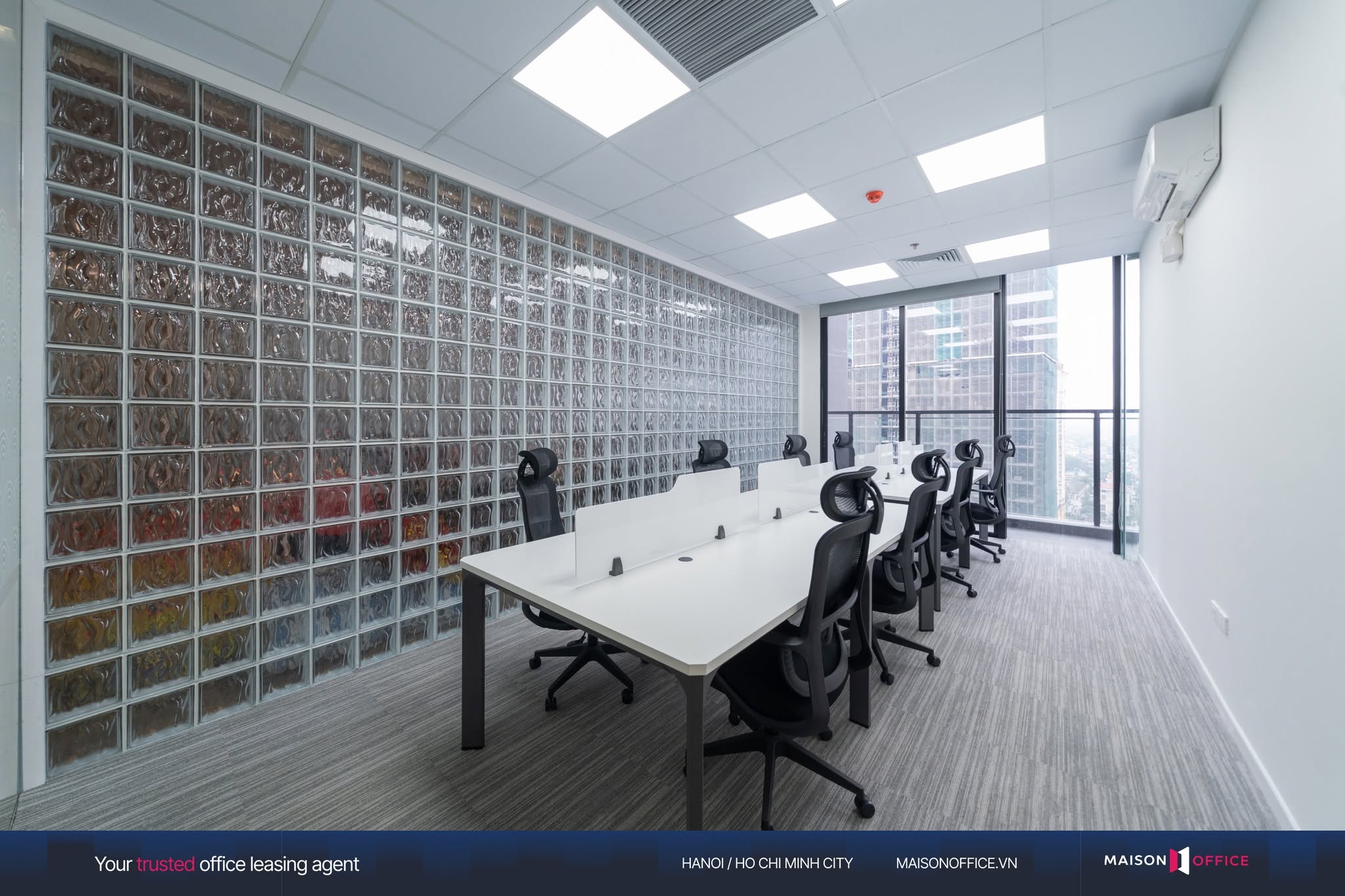
6. Officetel – Office Apartment
An officetel combines the functions of an “office” and a “hotel/apartment,” allowing the same space to be used for both residential and office purposes. This property type has emerged in Vietnam in recent years and is commonly found in major cities.
Officetel units typically range from approximately 30–50 sqm, making them suitable for small companies with around 4–10 employees or as a representative office for foreign companies seeking a local presence and business location in Vietnam.
However, not every officetel development can be used as an officially registered company office. Some buildings may impose restrictions on business operating hours, permitted business activities, or the registration of a company’s head office. Businesses should therefore review the specific regulations and permitted uses of each development before signing a lease agreement.
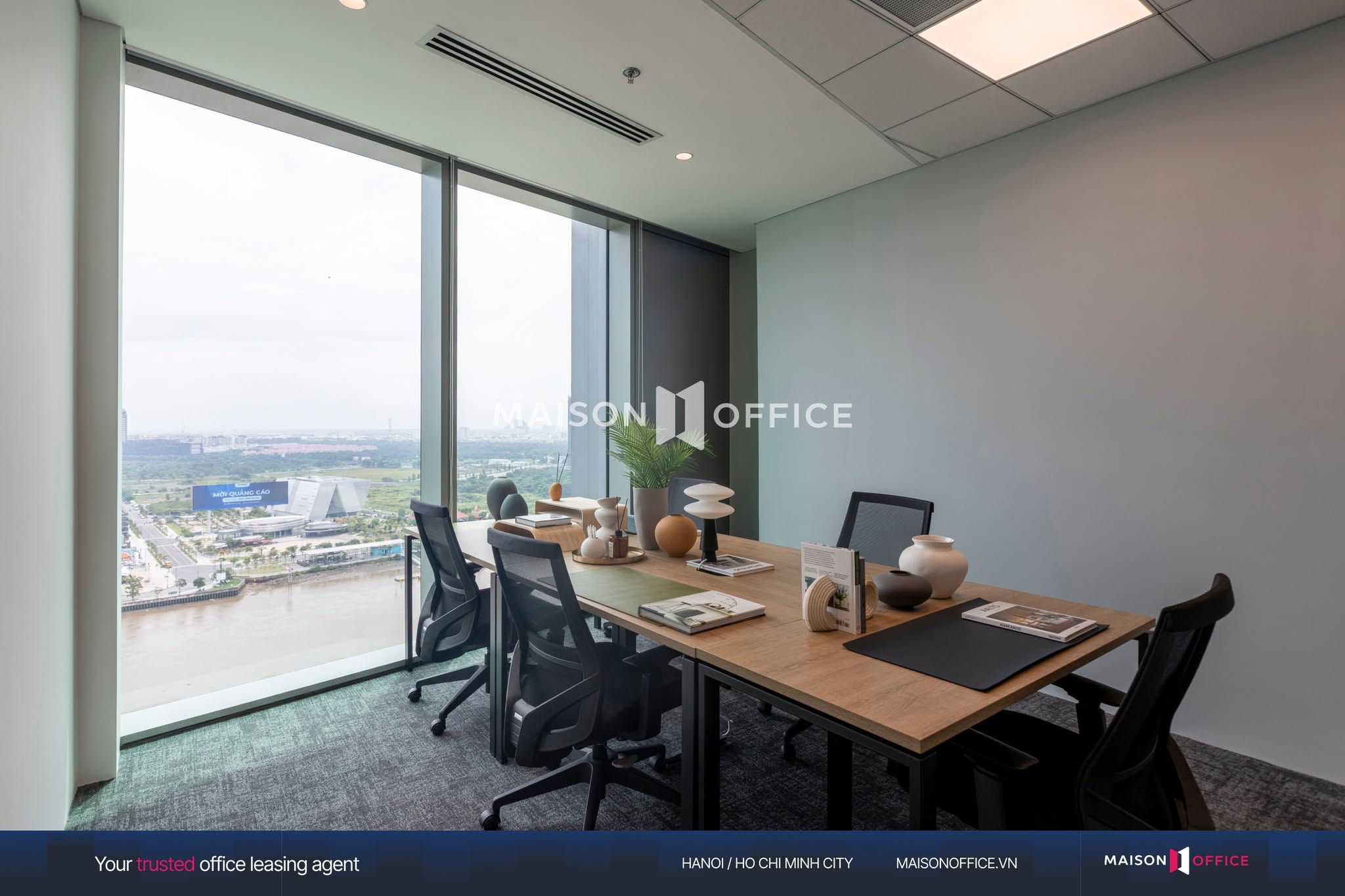
7. Whole House or Building for Office Use
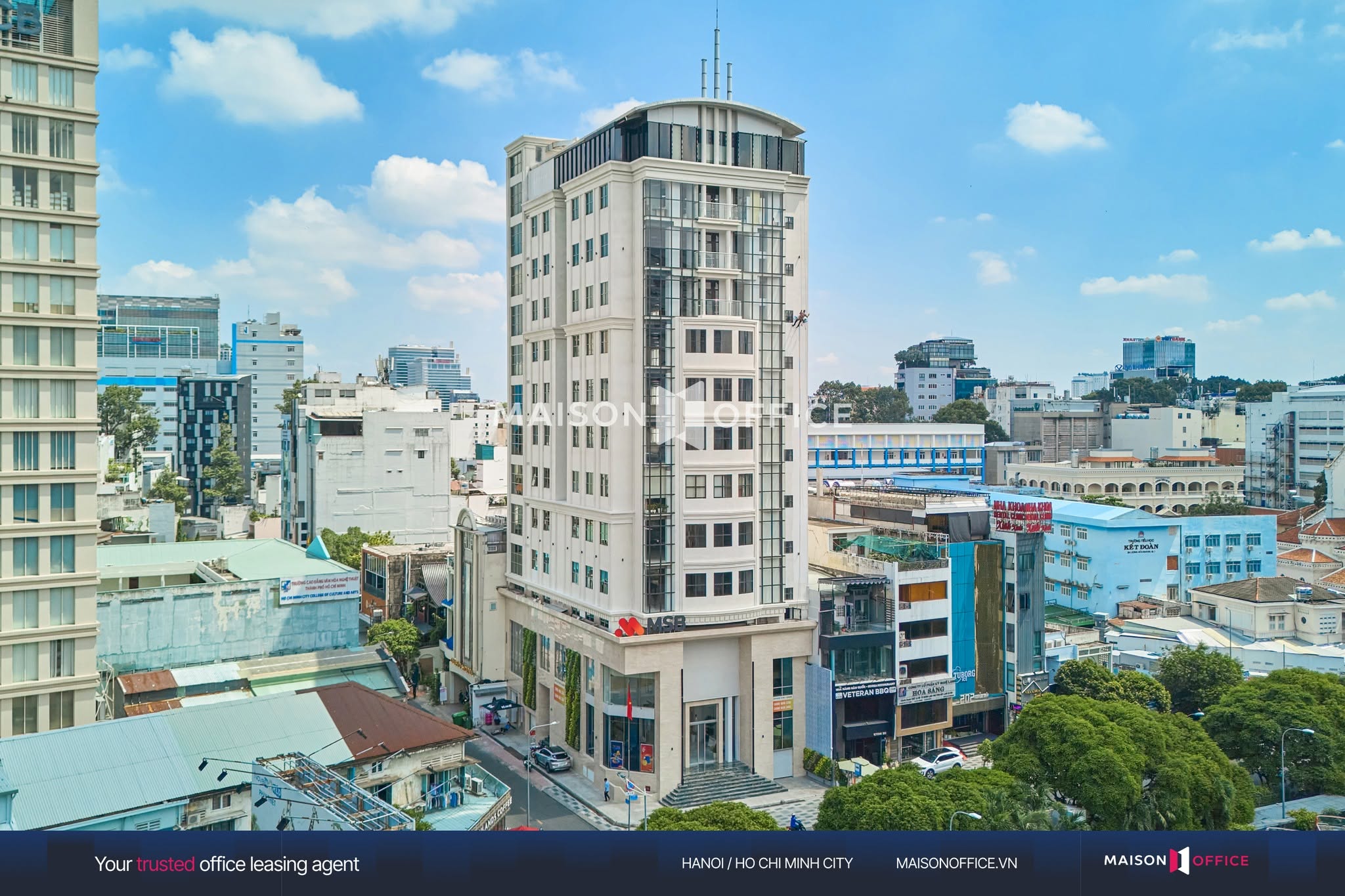
Leasing an entire house or building for office use is suitable for businesses seeking an independent workplace without sharing infrastructure or common facilities with other occupants.
Advantages of leasing a whole building for office use:
- Greater control over access and operating hours without depending on shared elevators or building schedules
- Flexibility to allocate different areas according to specific operational requirements
- Higher privacy and confidentiality compared with shared workspace models
- Greater control over company signage and corporate branding
- Ability to renovate and customize the interior, subject to agreement with the landlord
- Flexibility to set operating hours according to business requirements rather than general building regulations
Considerations: Businesses may need to take greater responsibility for maintenance, security, and other operating costs, without the support of a professional property management team typically available in commercial office buildings.
Leasing a whole house or building for office use is generally suitable for businesses with a relatively stable workforce, sufficient budget for upfront investment, and a greater need for privacy and operational control than for shared amenities.
8. Comparing Costs Across Office Types
The listed rental rate does not reflect the full cost of occupying an office. Businesses should therefore include additional expenses when comparing different office types.
Key costs to include in the budget are:
- Service charge: Covers management, cleaning, and operation of common areas, depending on the building
- VAT: Applied in accordance with applicable regulations and the terms of the lease agreement
- Operating costs: Parking, electricity, air conditioning, and after-hours charges where applicable
- Fit-out costs: Office interior design and fit-out and office equipment for premises that require completion before occupancy
- Security deposit: Typically specified in the lease agreement as a certain number of months’ rent
For a more accurate comparison, businesses can convert each option into an average cost per employee or calculate the total monthly occupancy cost. For example, serviced offices typically include furniture and certain services within the rental package, while leasing traditional office space may require an additional fit-out budget before the premises can be occupied.
9. Which Office Type Should a Business Choose?
| Business requirement | Office types to consider |
| Small team with rapidly changing headcount | Coworking, Serviced Office |
| Small team requiring a private room | Shared Office, Serviced Office |
| No need for permanent workspace | Virtual Office |
| Need a small private office | Officetel or Serviced Office |
| Need a customized office aligned with corporate branding | Traditional Office Space |
| Need full control over the premises | Whole House/Building |
| Need flexibility to expand or downsize | Coworking, Serviced Office |
There is no single office type that suits every business. The appropriate option should be determined based on headcount, workforce stability, initial investment budget, privacy requirements, and long-term space plans.
- By headcount: Teams with fewer than 10 people may consider coworking spaces, shared offices, or serviced offices. Larger businesses may prioritize traditional office space or whole buildings when they require dedicated premises and sufficient space for multiple departments.
- By level of privacy: Private office floors or whole buildings are suitable for businesses that require greater control over their workspace and confidentiality. Coworking spaces or shared offices may be more appropriate when sharing certain facilities is acceptable.
- By upfront budget: Serviced offices and coworking spaces can reduce initial fit-out costs. Leasing a private office floor or whole building is more suitable when the business has a fit-out budget and wants greater control over workspace design.
- By lease term: Coworking spaces and serviced offices are suitable for businesses requiring flexible lease arrangements. Traditional office space and whole buildings are worth considering when the business has a stable, long-term occupancy plan.
- By growth plan: Businesses with fluctuating headcount should prioritize office models that make it easier to add or reduce workstations. If headcount is relatively stable, a fixed office floor may be more suitable for long-term use.
- By corporate identity: Private office floors and whole buildings provide greater flexibility for reception areas, signage, and interior design aligned with corporate branding. Coworking spaces and serviced offices are suitable when branding is not a primary requirement.
Selecting an office type is only the first step in the leasing process. Businesses also need to determine the preferred location, required area, budget, conduct property viewings, compare quotations, and negotiate lease terms that align with their operational plans.

With more than 10 years of experience in office leasing consultancy, Maison Office assists businesses in searching for and comparing options ranging from Grade A, B, and C office space to serviced offices, coworking spaces, and other flexible workspace solutions. The advisory team provides updated information on office supply, current availability, and rental rates by location, while also assisting with property viewings and lease negotiations before businesses make their final decision.
Contact Maison Office to receive a suitable office shortlist, updated rental quotations, and assistance with arranging property viewings.
10. Frequently Asked Questions (FAQ)
10.1 Which office type is suitable for a newly established business?
Newly established businesses may consider a virtual office or coworking space to reduce initial costs while maintaining a business address and access to flexible workspace when required.
10.2 Can a virtual office be used for business registration?
Yes. A virtual office can provide a legal business address for company registration, subject to current Vietnamese regulations and provided that the business activity does not require a specific type of operating premises.
10.3 Can an officetel be used as a company office?
Potentially, but businesses should carefully review the regulations of each development or building. Some properties may restrict operating hours, permitted business activities, or the use of the premises as a company’s registered head office.
A shared office provides a dedicated workspace for each business while certain facilities are shared. A coworking space generally uses an open-plan format where both workspace and amenities are shared, offering greater flexibility for individuals and small teams.
10.5 How are office leasing costs calculated?
Office leasing costs typically include rent per sqm per month, service charges, VAT, and potentially additional expenses such as electricity, parking, and after-hours charges. Businesses should clarify all applicable costs before signing the lease agreement to establish an accurate occupancy budget.
10.6 Which office type is suitable for businesses with fewer than 10 employees?
For businesses with fewer than 10 employees, coworking spaces, shared offices, or officetels can be considered. These options can help control costs while providing an appropriate working environment and varying levels of flexibility as the business grows.
Editor and content team manager at Maison Office.
With over 5 years of experience in consulting and extensive content editing in the real estate services and interior design field. Sharing valuable information with customers, partners, and attracting millions of views.


